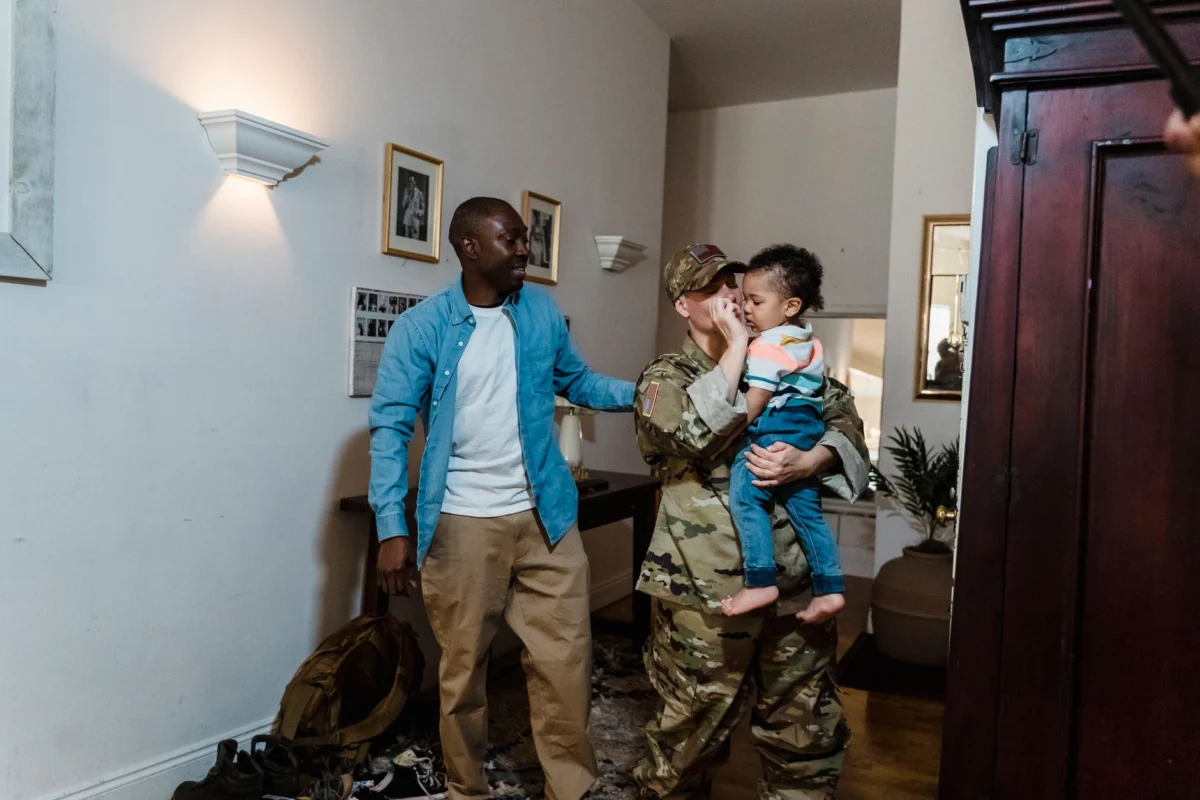
When 32‑year‑old Samantha Hernandez stepped onto the podium at Fort Carson’s salute ceremony, the crowd of 150 service members heard the clink of a medal and the rustle of a folded blanket she’d just wrapped around a child’s shoulders.
Hernandez, named Fort Carson’s 2024 Military Spouse of the Year, didn’t pause to soak in the applause. She lifted a cardboard box, peeled back the lid, and showed the audience a stash of 2,300 canned goods she’d collected in the past three months.
Why does this matter?
The Army’s Family Readiness Programs report that over 40% of military families face food‑insecurity during deployments. Hernandez’s grassroots drive directly tackles that statistic on a base of roughly 12,000 personnel.
What sparked the initiative?
After her husband, Staff Sergeant Luis Hernandez, shipped out to Afghanistan for a nine‑month rotation, Samantha found the local grocery shelves thinning. “I realized the pantry at the base community center was running low, and I could do something,” she said in the KRDO interview.
She rallied a network of spouses, local churches, and the Fort Carson Family Support Center. Within 90 days, volunteers organized weekly “Box‑It‑Up” nights, each contributing 30‑minute shifts to sort, label, and load the donations.
The effort now supplies the on‑base Emergency Food Bank, which serves more than 1,200 families each month. Numbers released by the base’s Family Readiness Office show a 25% increase in meals distributed since Hernandez’s campaign began.
Impact beyond the base
Local businesses have stepped in, too. A nearby grocery chain donated $5,000 worth of vouchers, and a regional nonprofit matched each canned good with a fresh produce item, effectively doubling the nutritional value of each box.
For the wider community, the story offers a blueprint: small, organized actions can buffer the larger systemic strain on military families, especially when federal assistance stalls.
Who is affected?
Beyond spouses and children, the drive lifts senior enlisted leaders, who cite morale as a critical factor for retention. “When families know we’ve got their backs, the whole unit feels stronger,” noted an unnamed senior officer during the ceremony.
Employees at the base’s childcare facilities also see fewer absenteeism spikes, a ripple effect of stable nutrition at home.
What happens next?
Hernandez plans to expand the program into a year‑round partnership with the Colorado Department of Human Services, aiming to reach 5,000 families by 2026. She hopes the model can be replicated at other installations across the country.
Her next step? A mobile pantry truck that will travel to remote housing areas on the base’s outskirts, ensuring no family is left waiting.
Stay tuned as Fort Carson’s military spouse turns personal determination into a lasting safety net for the entire command.