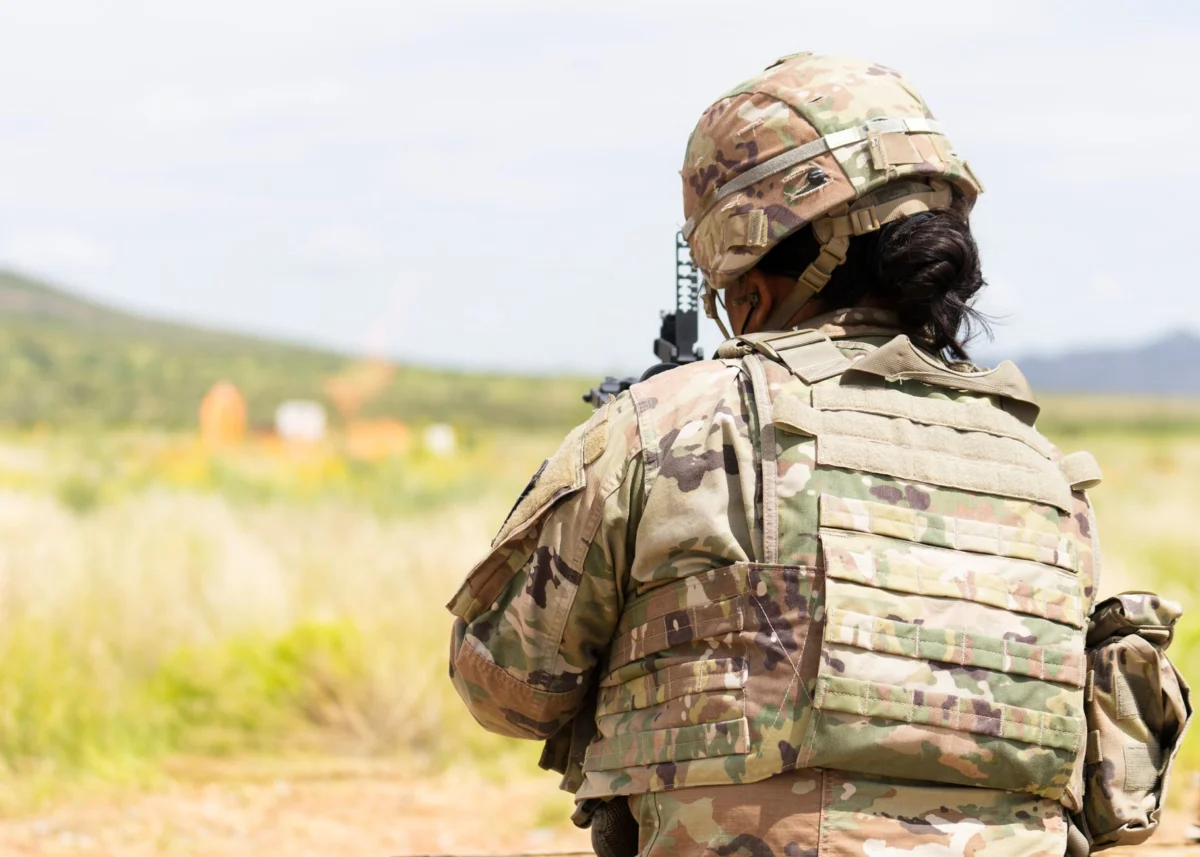
More than 160 soldiers at Fort Sam Houston fell ill with influenza within a week of the Defense Department’s decision to cancel a large‑scale flu‑vaccine contract.
The cluster emerged on March 12, just days after the Pentagon’s acquisition office announced the suspension of the Hegseth‑produced vaccine order.
Medical staff at the base’s clinic reported that 162 troops tested positive for the H3N2 strain, the same variant that swept through several southern states this winter.
Why does this matter?
When flu grips a training installation, readiness shrinks. Units slated for overseas deployment faced reduced manpower, and medical resources were diverted from routine care to isolation wards.
“We saw a sharp dip in available personnel for scheduled missions,” said a senior officer who asked not to be named for operational security. “It’s not just a health issue; it’s a readiness issue.”
What caused the vaccine order to be lifted?
The Department of Defense halted the contract after an internal audit flagged pricing irregularities and a lack of clear efficacy data for the Hegseth formulation. The review, completed on March 9, recommended postponing the purchase until a more transparent bidding process could be conducted.
Critics argue the decision left troops vulnerable at a time when flu activity peaked across the Southern United States.
Impact on soldiers and families
Families of the affected service members received notifications urging them to watch for symptoms and to keep sick soldiers isolated at home.
One soldier’s spouse shared, “We’re all scared because we don’t know how long he’ll be out of duty.”
Beyond the individual cases, the outbreak forced the base to delay a joint training exercise with the National Guard, costing roughly $1.2 million in lost operational time, according to a preliminary internal report.
What happens next?
The Pentagon plans to reopen the vaccine procurement process within the next 30 days, this time inviting bids from multiple manufacturers to ensure competitive pricing and proven efficacy.
In the interim, base medical units have begun administering the seasonal flu shot supplied by the CDC, and they are urging all service members to get vaccinated immediately.
Health officials stress that flu can weaken soldiers’ immune systems, making them more susceptible to other illnesses—a concerning prospect as the U.S. prepares for potential overseas deployments in the coming months.
For readers, the incident is a reminder that supply‑chain decisions in the defense sector can have direct, human consequences. The next chapter will reveal whether the new procurement strategy can prevent a repeat of this costly outbreak.
Stay tuned for updates on the revised vaccine contract and its effects on military readiness.