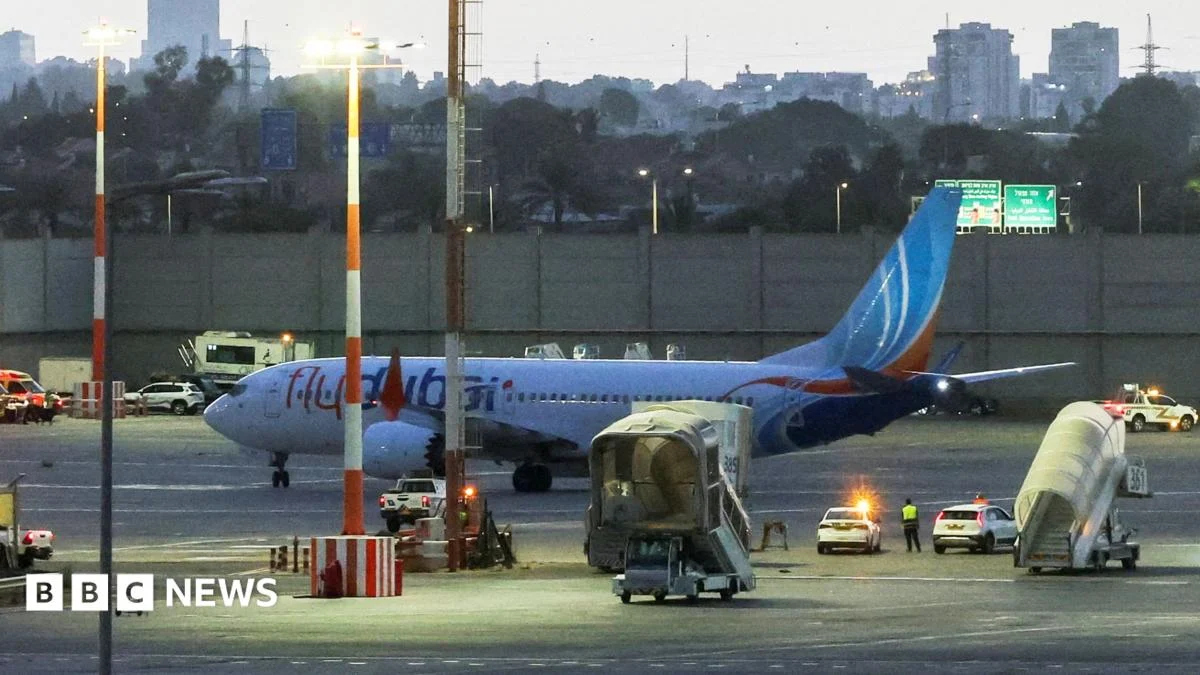
A Flydubai co-pilot, identified in reports as an Omani national, is alleged to have planned to deliberately crash a passenger plane into Tel Aviv’s international airport or a major building, according to BBC News. The individual was described as a “lone wolf” extremist. The incident raises concerns about aviation security and potential insider threats.
The reported claim suggests premeditation and targeting of symbolic locations in Tel Aviv, though no further operational details were provided in the BBC summary. Authorities are said to have uncovered the alleged plan, but it remains unclear whether the co-pilot was actively serving at the time or had been suspended. The airline and relevant governments have not officially commented on the claims reported by BBC News.
Key Facts
- Flydubai co-pilot allegedly planned a deliberate plane crash.
- The plane crash plan targeted Tel Aviv airport or a building.
- The co-pilot was described as a lone wolf extremist.
- The individual was an Omani national, according to reports.
- Reports were attributed to BBC News.
Who Is Affected by the Plane Crash Plan?
Aviation regulators, airlines, and passengers are directly impacted by any credible threat involving crew members. A co-pilot with access to flight controls poses a unique challenge for cockpit security protocols established after past tragedies such as Germanwings Flight 9525. If confirmed, this incident would trigger renewed scrutiny on background checks and mental health evaluations across Middle Eastern carriers. Families of passengers and crew may face heightened anxiety when flying with regional airlines until trust is restored. The tourism and aviation sectors in both the UAE and Israel could suffer short-term disruptions depending on how aggressively authorities respond.
How Did We Get Here?
BBC News first reported the existence of an alleged plane crash plan involving a Flydubai co-pilot. The reports reportedly relied on unnamed sources familiar with intelligence findings. No official statement has been issued by Flydubai, Omani authorities, or Israeli agencies. This lack of confirmation keeps the story in the realm of allegation rather than proven fact. Media outlets often receive preliminary briefings from security officials, but independent verification is essential before public disclosure.
What Happens Next?
Investigations into such allegations typically involve multiple jurisdictions, including Interpol referrals and joint task force inquiries. Until formal charges or arrests occur, most news organizations will avoid naming individuals beyond what is already in the public domain. Airlines facing similar accusations undergo internal reviews and may revise training or monitoring systems. Passengers might notice increased scrutiny during boarding or random inspections as precautionary measures. Any official word from law enforcement or aviation authorities would significantly update the status of this ongoing situation.
What We Know — and What We Don’t
Verified by the source:
- A plane crash plan was reportedly made by a Flydubai co-pilot.
- The target was said to be Tel Aviv airport or a building.
- The suspect was characterized as a lone wolf extremist.
- The suspect was reportedly an Omani national.
- The reporting originated from BBC News.
Still unconfirmed:
- The identity and current employment status of the co-pilot remain unverified.
- No timeline or method of discovery has been disclosed.
- There are no confirmed arrests or official statements from involved parties.
- Technical aspects of the alleged plot are entirely unspecified.
- It is unknown whether the pilot union or airline responded internally.
Why It Matters
Aviation safety standards exist to prevent unauthorized access to flight controls and ensure psychological fitness among crew. Allegations like these test public confidence in air travel security and highlight gaps in cross-border intelligence sharing. Even unproven claims can prompt stricter regulations, affecting millions of travelers globally. For now, the focus remains on confirming facts without amplifying fear.
Flydubai and other Gulf carriers operate thousands of flights weekly; any perception of security lapses carries economic consequences beyond immediate geopolitical tensions.
What To Watch
Updates depend on whether authorities release official comments or initiate legal proceedings. Until then, readers should treat the claims as unverified pending corroboration.