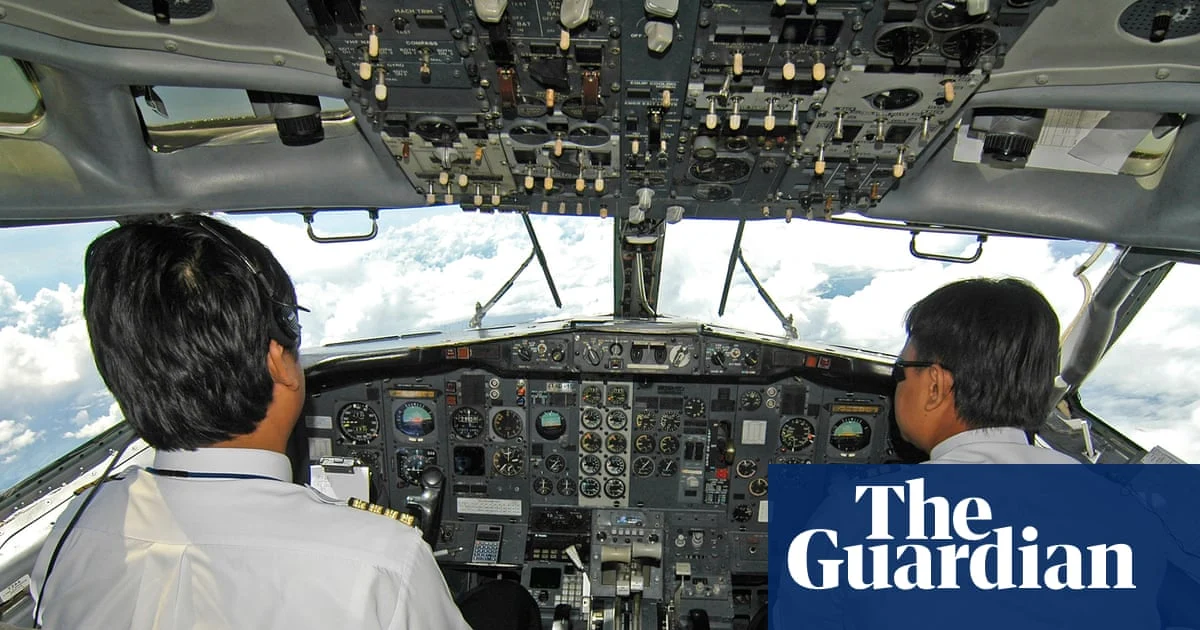
A recent stabbing incident aboard a Flydubai passenger jet has intensified scrutiny of cockpit security practices worldwide. The co-pilot allegedly attacked the captain mid-flight in what authorities say may have been an attempt to crash the plane. Passengers and another wounded pilot intervened to subdue the assailant and prevent disaster. The episode has cast doubt on long-standing policies governing cockpit access and door locking mechanisms, prompting experts to revisit aviation safety standards.
Aviation regulators globally implemented reinforced, lockable cockpit doors following the September 11 attacks in 2001. These measures aimed to prevent unauthorized entry and protect flight crews from potential threats. However, critics argue that such designs can trap pilots inside if a threat arises from within the cockpit itself. The Flydubai case appears to highlight this vulnerability, where an insider posed a direct risk to flight safety.
Key Facts
- Cockpit doors are typically locked from the inside since post-9/11 reforms.
- A co-pilot allegedly stabbed the captain mid-flight on Flydubai Flight FZ 1073.
- Passengers and a wounded pilot helped stop the attacker from crashing the plane.
- The attack occurred aboard a Flydubai jet traveling from Dubai to Tel Aviv.
- More than 170 people were reportedly on board during the incident.
What Happens Next?
The investigation into the Flydubai stabbing remains ongoing, with authorities working to determine the attacker’s exact motive. As of now, no group has claimed responsibility, and officials have not disclosed further details about the assailant’s identity or background. Aviation safety boards across multiple countries are expected to review existing protocols regarding cockpit access and emergency response procedures in light of the incident.
In the aftermath, airline industry leaders and security analysts are weighing the pros and cons of current cockpit shielding methods. Some advocate for updated designs that allow quicker egress or communication during internal threats. Others maintain that strengthening barriers remains essential to counter external risks. Governments may soon update guidance on cabin crew training and real-time alerting systems to enhance situational awareness during flight operations.
Experts also foresee potential shifts toward biometric authentication and automated monitoring tools inside aircraft. Airlines might adopt stricter psychological evaluations for pilots alongside enhanced surveillance technologies. Meanwhile, public trust in air travel continues relying heavily on transparent reassessments of safety norms after each high-profile breach or anomaly.
How Did We Get Here?
The push for hardened cockpit doors began after the September 11 terrorist attacks when hijackers breached cockpits and seized control of four planes. Regulators responded swiftly by mandating reinforced entry points secured via electronic locks operated only from within. Over time, these became standard across commercial fleets globally under international civil aviation rules governed by agencies like ICAO and IATA.
Yet incidents involving rogue insiders — whether pilots or crew members — have periodically challenged assumptions behind static defense models. Previous cases include Germanwings Flight 9525 in 2015, where a pilot deliberately crashed the aircraft, killing all aboard. Such tragedies underscored limitations in relying solely on physical barriers without addressing behavioral warning signs or mental health support structures.
This latest event adds momentum to discussions around dynamic security frameworks balancing protection against evolving threats both outside and inside the cockpit environment.
What We Know — and What We Don’t
Verified by the source:
- A co-pilot stabbed the captain aboard Flydubai Flight FZ 1073.
- Passengers and a wounded pilot helped prevent the plane from crashing.
- Over 170 people were on board the flight.
- The flight was bound for Tel Aviv from Dubai.
- Cockpit doors have been locked from the inside since post-9/11 reforms.
Still unconfirmed:
- The precise motive behind the stabbing has not yet been determined.
- Exact number of casualties or injuries remains unknown.
- No official statement from Flydubai or relevant authorities has been released.
- Details about how the assailot was overpowered are missing.
- It is unclear whether any systemic failures contributed to the breach.
This incident underscores how cockpit security policies must evolve alongside emerging risks. While hardening entry points helped deter external threats, they introduced new challenges when danger originates from within. Regulators face growing pressure to balance intrusion prevention with rapid intervention capabilities to safeguard passengers and crew alike.
The investigation continues, with findings expected to influence future aviation safety guidelines internationally.