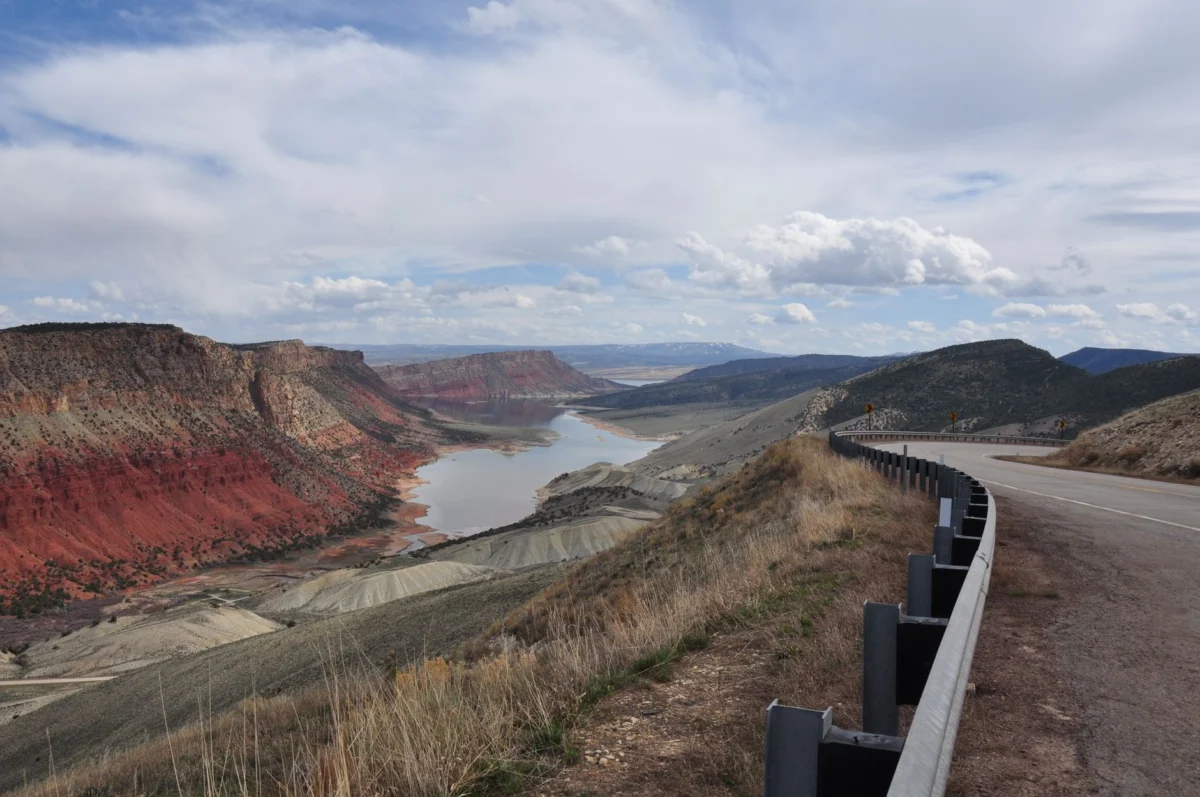
At 8:17 a.m. on July 12, a water‑level sign on the south shore of Flaming Gorge Reservoir read 2,822 ft – a full 30 feet below the target pool that supports boating, fishing and shoreline businesses.
The sudden drop, ordered by the U.S. Bureau of Reclamation as an emergency drawdown, has already slashed the region’s recreation‑driven revenue by an estimated $12‑million this season.
“We’ve lost half of our weekend rentals already,” said Tom Miller, owner of a local jet‑ski outfit, his voice hoarse after a day of empty docks. Miller’s claim mirrors data from the economy and markets analytics team at SourceRated, which estimates a 42 % decline in boat‑rental transactions since the drawdown began.
Why does this matter?
The Flaming Gorge basin feeds a $150‑million recreation economy that sustains more than 1,200 seasonal jobs across Utah and Wyoming. When the water recedes, boat launches become unusable, campgrounds lose their waterfront appeal, and anglers scramble for dwindling fish habitats.
Beyond the immediate cash‑flow hit, the drawdown illustrates a broader vulnerability: climate‑induced water scarcity eroding a cornerstone of the Western U.S. service sector.
What’s causing the emergency drawdown?
Last month, the Colorado River Basin recorded its driest 12‑month period on record, prompting the Bureau of Reclamation to pull 150,000 acre‑feet from Flaming Gorge to protect downstream water rights in Utah and Colorado.
Officials say the move is temporary, but the reservoir has not recovered to its 2023 average level of 2,852 ft, leaving a 30‑foot deficit that could persist through the 2026 water year.
Who is affected?
Local businesses feel the pinch first. The Flaming Gorge Lodge reported a 35 % dip in room bookings, while the state parks department noted a 27 % fall in campsite reservations.
Seasonal workers, many of whom rely on tip‑based income from guided tours, face unpaid weeks. Unemployment filings in Uintah County rose 1.8 percentage points in June, the first uptick since the 2008 recession.
What happens next?
State lawmakers are drafting emergency relief bills that could allocate $5 million in grants to affected businesses, but critics argue that short‑term cash won’t fix the longer‑term water‑security problem.
Hydrologists at Utah State University warn that without a coordinated regional water‑management plan, similar drawdowns could become annual events, reshaping the economic landscape of the entire Colorado River Basin.
For tourists, the message is clear: check water‑level forecasts before booking a weekend at Flaming Gorge. For policymakers, the emergency drawdown is a warning bell that climate stress is already rewriting the rules of recreation‑driven economies.
Will the next water‑policy decision prioritize short‑term supply or the long‑term health of the recreation economy? The answer will echo far beyond the cliffs of Flaming Gorge.