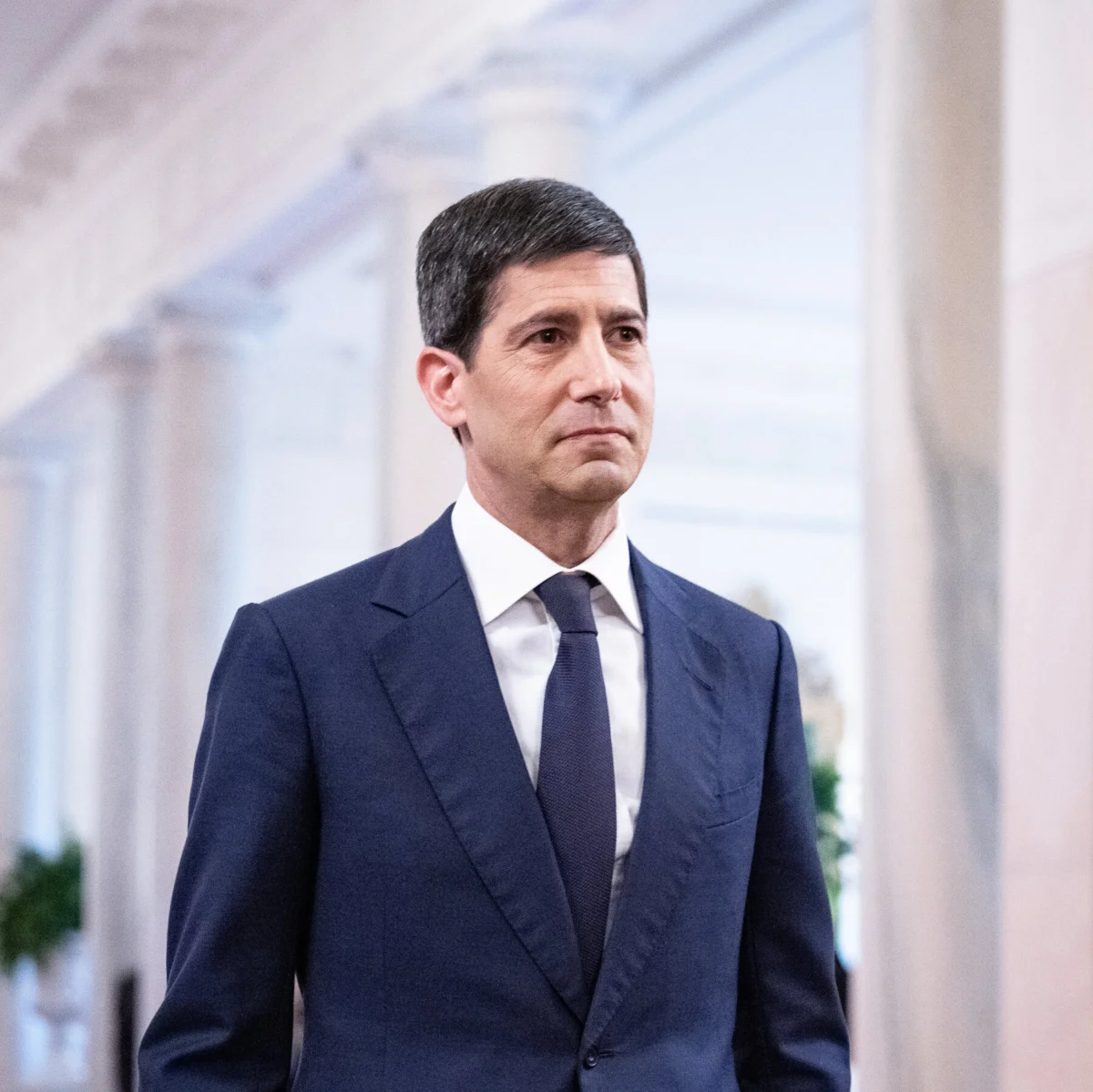
Kevin M. Warsh walked into the Federal Reserve’s boardroom on Monday with the weight of a $5.2 trillion debt ceiling and a 4.7% consumer‑price index staring him down.
Warsh’s debut as Fed chairman comes at a moment when core inflation has held steady above the 2% target for eight consecutive months, and markets are pricing in a 75‑basis‑point hike at the upcoming June meeting.
Why does this matter?
Higher rates mean steeper mortgage payments, tighter credit for small businesses, and a direct hit to household budgets. A misstep could stall the modest job growth that has added 210,000 positions since the last quarter.
What challenges loom for Warsh?
First, the headline number: the CPI rose 0.6% in May, the biggest monthly jump since 2022. Second, wage growth is ticking up at 4.3% year‑over‑year, outpacing the Fed’s comfort zone. Third, geopolitical stress – the ongoing fallout from the Eurasian energy dispute – keeps oil prices volatile, adding a wild‑card to inflation forecasts.
The New York Times notes that Warsh, a former Treasury official and long‑time monetarist, has signaled “a willingness to let inflation run hotter before tightening,” but he must now reconcile that stance with the reality of a still‑elevated price environment.
Investors are already reacting. The 10‑year Treasury yield slipped 3 basis points to 4.12% after Warsh’s opening remarks, while the S&P 500 closed flat, reflecting uncertainty about any aggressive policy shift.
Who is affected?
Every consumer who watches their credit‑card statement feels the pressure. Home‑buyers see mortgage rates hover near 6.5%, up from 5.2% a year ago. Small‑business owners report tighter loan terms, with banks tightening qualification standards by an average of 12%.
“If the Fed jumps too quickly, we risk choking the recovery that’s just starting to gain traction,” warned a small‑business association in a brief statement, underscoring the delicate balance Warsh must strike.
What happens next?
Warsh will release the June policy statement on July 31, accompanied by the updated dot plot that will reveal how many quarter‑point hikes the committee expects over the next year. Markets will be watching for any shift in language from “patient” to “restrictive.”
Analysts at Bloomberg note that a single 25‑basis‑point increase could push the Fed’s policy rate to 5.25%, a level not seen since 2008. That move would likely cool housing demand but could also stall the modest wage gains seen in recent months.
For now, Warsh’s tightrope act is a story of numbers, expectations, and the lives of everyday Americans. The next Fed meeting will reveal whether his balancing act steadies the economy or sends it wobbling.
Economy and markets readers will find ongoing coverage as the Fed’s decisions unfold.