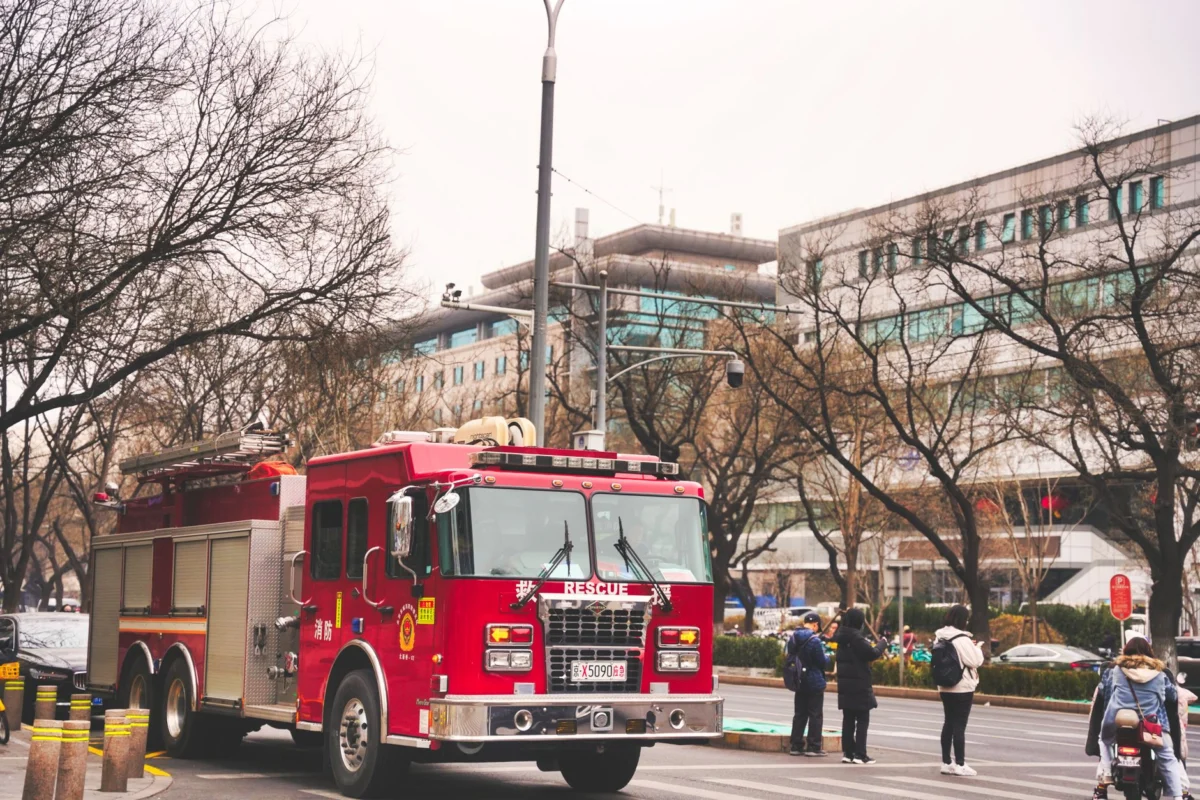
At 2:14 a.m. on Tuesday, a thin plume of orange smoke curled off the cliffs of China Beach, alerting residents of the Sea Cliff neighborhood to a fast‑moving fire that threatened homes perched above the Pacific.
San Francisco Fire Department (SFFD) crews arrived within minutes, battling a 6‑acre wildfire that had already incinerated dry scrub and smoldering driftwood. By 5:30 a.m., the flames were fully contained.
What sparked the China Beach wildfire?
Preliminary reports from SFFD indicate a discarded cigarette or a spark from a beach bonfire ignited the tinder‑dry vegetation. The area had not seen rain for 12 days, and wind gusts of 15‑20 mph fanned the blaze toward the residential slope.
Why does this matter?
The China Beach wildfire is more than a local emergency. It underscores how climate‑driven dryness and coastal winds are turning even the fog‑shrouded Bay Area into a fire‑prone landscape. Residents of affluent enclaves like Sea Cliff now face evacuation orders that were once rare in San Francisco.
Mayor London Breed’s office confirmed that no injuries were reported, but three structures sustained minor roof damage from heat and ember fall. The fire also forced the temporary closure of the coastal trail, disrupting thousands of hikers and tourists.
“We saw a rapid escalation because of the wind channeling up the canyon,” SFFD Engine 71 Lieutenant Mark Rivera told reporters on the scene. “Fortunately, our crews had the right equipment and were able to protect the homes.”
City officials have already ordered a review of fire‑risk mitigation plans for the city’s cliffside communities. The review will examine vegetation clearance, stricter enforcement of beach‑fire bans, and the installation of additional water‑hydrant stations.
How does this fit into the broader fire picture?
California’s fire season now stretches from March through November, a shift attributed to hotter, drier summers and reduced snowpack in the Sierra Nevada. The China Beach wildfire adds to a tally of more than 1,200 wildfires recorded in the state during the first quarter of 2026, according to the California Department of Forestry and Fire Protection.
For homeowners, the incident is a reminder to review insurance coverage and maintain defensible space around properties. For city planners, it signals that traditional fire‑prevention strategies must adapt to an increasingly volatile climate.
Read more about how climate change is reshaping urban risk in our climate‑environment coverage.
What happens next?
SFFD will conduct a full investigation next week to pinpoint the fire’s origin. In the meantime, the city urges beachgoers to adhere to the no‑open‑flame ordinance and to report any signs of smoke immediately.
As San Franciscans watch the sunrise over a soot‑stained horizon, one thing is clear: the China Beach wildfire – though swiftly extinguished – has lit a warning that coastal fires are no longer an anomaly.