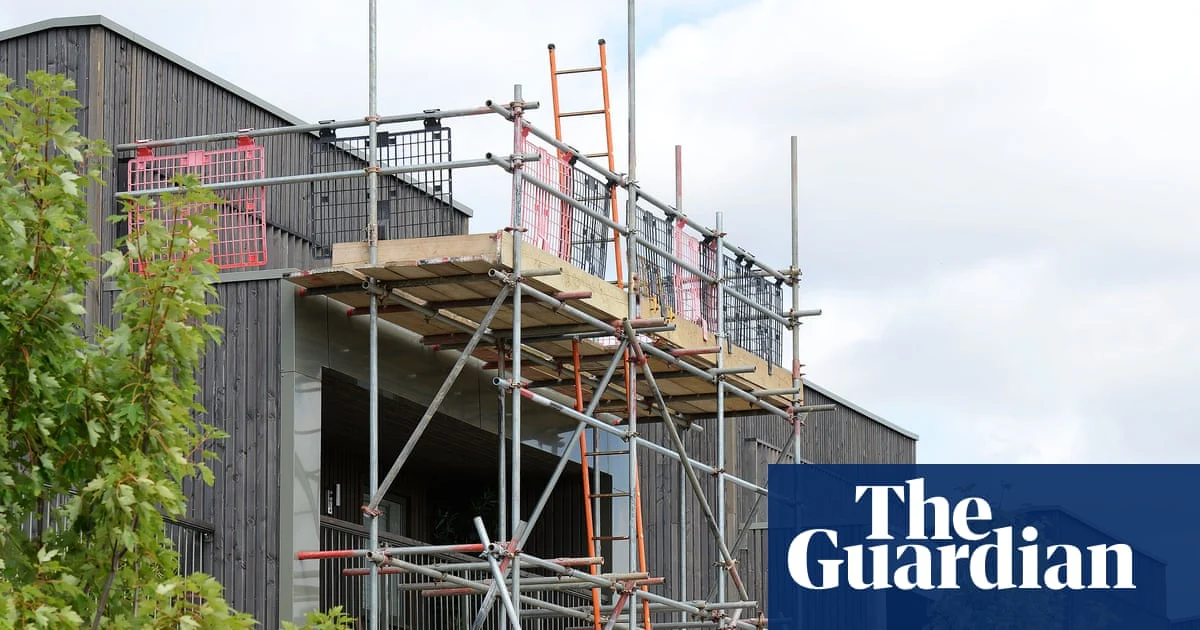
Emma Claassen argues the scaffolding recruitment crisis should prioritize willingness and ability over traditional gender roles, calling for more female scaffolders to meet industry demand.
Claassen responds to Adrian Chiles’ article on the scaffolding recruitment crisis, emphasizing that scaffolding requires physical resilience, skill, judgment, and proper training. She states the focus should shift from who traditionally became a scaffolder to who is willing and able to learn the trade.
Key Facts
- Emma Claassen responds to Adrian Chiles on the scaffolding recruitment crisis.
- Scaffolding requires physical resilience, skill, judgment, and proper training.
- The skills shortage conversation should focus on willingness and ability, not tradition.
- Adrian Chiles wrote about Britain’s scaffolding recruitment struggles on 1 October.
- Claassen advocates for a better future for female scaffolders.
The Story
Who Is Affected by the Scaffolding Shortage?
The scaffolding industry in Britain faces a significant recruitment crisis, according to Adrian Chiles, who highlighted the issue in a piece published on 1 October. As scaffolding remains essential to construction and maintenance projects across the country, the lack of new workers threatens ongoing and future developments. This shortage impacts not just employers but also consumers relying on timely and safe building work.
What Happens Next for Female Scaffolders?
Emma Claassen argues that the path forward involves welcoming more female scaffolders into the trade. By focusing on who is willing and able to meet the standards of the job—rather than who traditionally filled the role—the industry can expand its talent pool. This shift could help address the recruitment crisis while promoting diversity and inclusion in construction-related fields.
How Did We Get Here?
The skills shortage in scaffolding has developed alongside changing perceptions of manual labor and evolving workforce demographics. While female scaffolders have long been underrepresented, advocates like Claassen suggest that broadening recruitment efforts can restore the trade’s appeal. As Adrian Chiles noted, Britain’s scaffolding should be a source of national pride, making the recruitment challenge even more pressing.
What We Know — and What We Don’t
Verified by the source:
- Emma Claassen wrote a letter responding to Adrian Chiles.
- Adrian Chiles discussed the scaffolding recruitment crisis in an article published on 1 October.
- Scaffolding demands physical resilience, skill, judgment, and proper training.
- The skills shortage should focus on willingness and ability rather than tradition.
- Emma Claassen supports a better future for female scaffolders.
Still unconfirmed:
- No official data on current scaffolding workforce numbers or gender breakdowns.
- No details about specific recruitment programs or policies targeting female scaffolders.
- No quotes or direct statements from industry bodies or government agencies.
Why It Matters
A robust scaffolding workforce is critical to maintaining safe and efficient construction practices across the UK. Encouraging female scaffolders to enter the trade can help ease the recruitment crisis while also fostering greater equality in skilled labor sectors.
What To Watch
It remains unclear whether new initiatives or policy changes will emerge to support female scaffolders entering the trade. Observers will watch for any official responses or recruitment campaigns aimed at diversifying the scaffolding workforce.