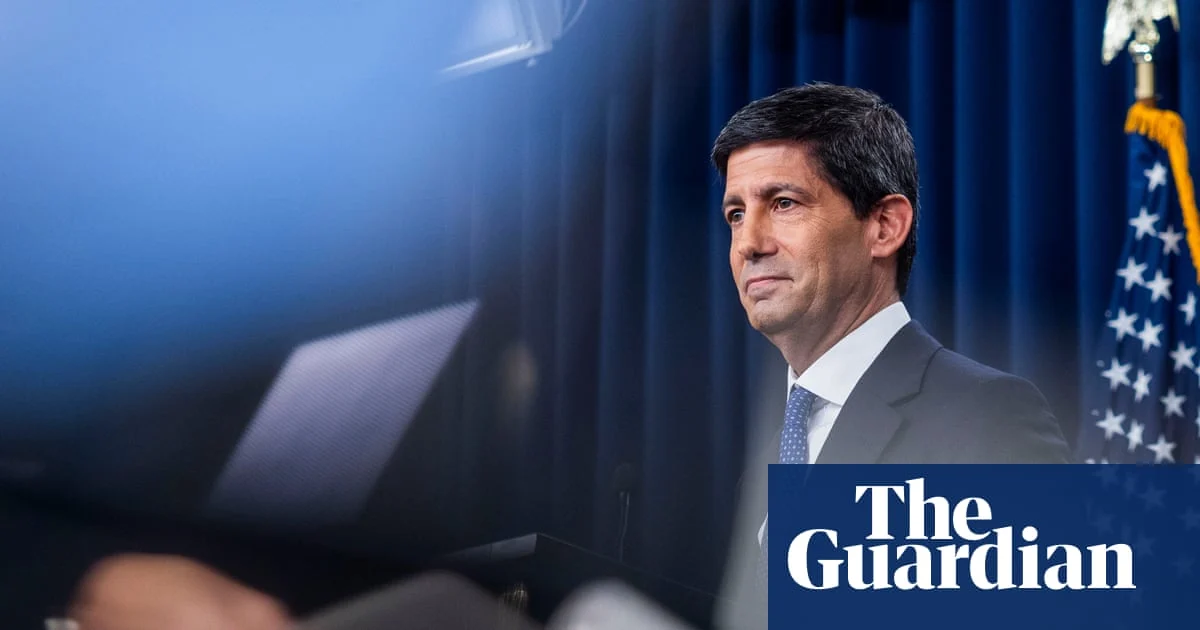
Federal Reserve policymakers voted unanimously to raise interest rates, marking the first increase in three years as officials move to rein in inflation that has remained above target for more than five years. While the decision signals a commitment to economic orthodoxy, it comes amid broader questions about how effectively monetary policy can navigate uncertain economic conditions.
The move follows intense pressure from the White House and reflects ongoing deliberation by Federal Reserve Chair Kevin Warsh, who previously signaled uncertainty about future policy actions. Despite early ambiguity, the Fed ultimately aligned around a single course.
**Key Facts**
- Federal Reserve raised interest rates unanimously — first hike in three years
- Rates increased to combat inflation exceeding the 2% target for over five years
- Decision came despite intense campaign pressure from the White House
- Chair Kevin Warsh had previously offered no clear guidance on policy direction
- Rate increase described as showing seriousness about tackling inflation
**What happened at the latest Fed meeting?**
The Federal Open Market Committee concluded its most recent gathering with a clear consensus, approving a rise in benchmark interest rates. This marks a shift from earlier uncertainty expressed by some members, including Chair Kevin Warsh, who declined to signal policy intentions at the prior meeting. The unified stance suggests growing internal agreement on the need to act against elevated inflation levels that have lingered for years.
**How does this affect U.S. economic policy?**
By choosing to raise interest rates, the Federal Reserve is employing a traditional tool aimed at slowing spending and cooling demand. With inflation running above its 2 percent goal for over half a decade, officials say today’s action demonstrates their resolve. However, questions remain about how aggressively further hikes might be needed and whether fiscal pressures from the White House could complicate independent monetary decisions.
**Why does Fed independence matter now?**
Federal Reserve credibility depends partly on its ability to set policy free from political influence. Recent reports highlight tensions between the White House and central bank, raising concerns among investors and analysts alike. Whether the Fed can maintain its autonomy while responding to inflation pressures will likely shape both market expectations and broader economic outcomes.
**What we know — what we don’t**
Verified by the source:
- The Federal Reserve raised interest rates unanimously
- Inflation has exceeded the 2 percent target for over five years
- White House applied intense campaign pressure regarding rate policy
Still unconfirmed:
- Specific magnitude of the rate increase
- Future timing or size of additional hikes
- Exact nature of communications between Fed and White House officials
Interest rate adjustments influence borrowing costs across households and businesses, affecting everything from mortgages to corporate investment. As inflation continues to challenge global economies, central banks face mounting scrutiny over their responsiveness and independence. The Federal Reserve’s latest move underscores the delicate balance between stabilizing prices and supporting sustainable growth, especially when facing external political pressures.
Market participants await upcoming Federal Reserve meetings and speeches for clarity on future rate path expectations. Officials have signaled they will respond based on incoming data rather than predetermined calendars. Additional inflation reports due in coming weeks may help clarify whether more aggressive tightening lies ahead.
Federal Reserve raises interest rates unanimously for first time in three years to tackle long-running inflation.