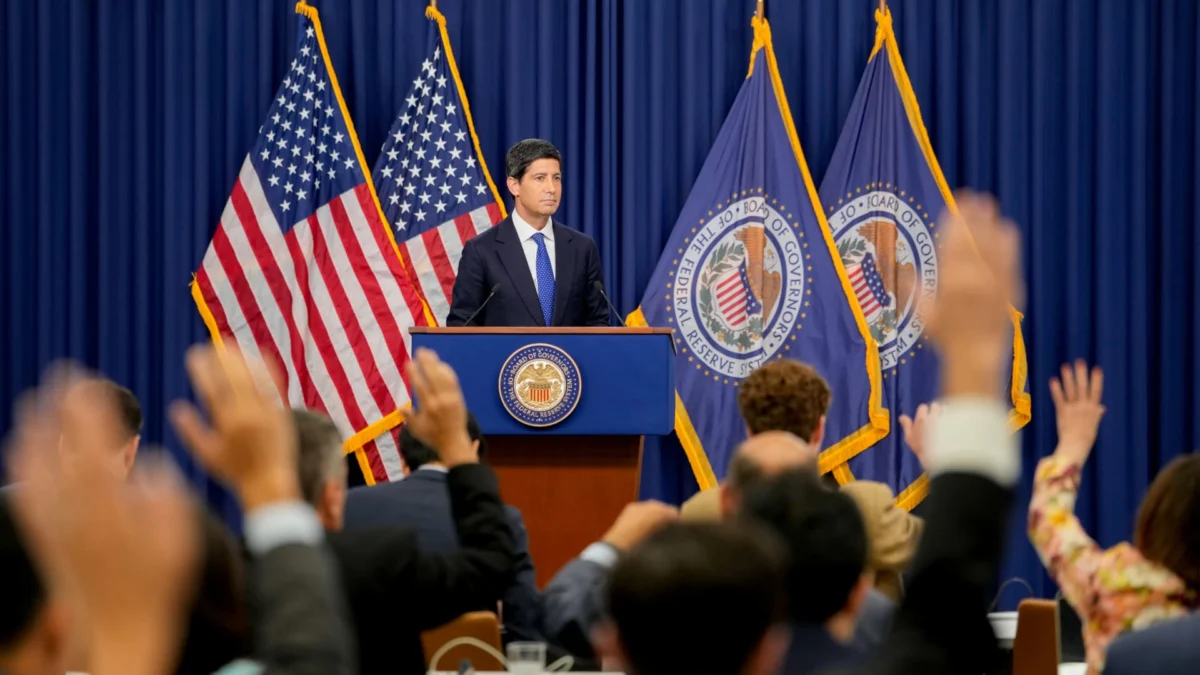
The Federal Reserve unanimously raised interest rates by a quarter point, defying repeated calls from President Donald Trump for lower borrowing costs. The move underscores growing tension between the central bank’s monetary policy decisions and the administration’s economic priorities. Trump has publicly criticized the Fed’s rate path, arguing that lower rates would boost economic growth and stock market gains. Meanwhile, policymakers maintain that controlling inflation and stabilizing financial conditions justify their cautious approach. This clash sets up a renewed political battle over the independence of the Federal Reserve, raising questions about how future rate decisions may be influenced by presidential pressure. The Federal Reserve interest rates remain a central issue in the broader debate over fiscal and monetary coordination.
Key Facts
- The Federal Reserve raised interest rates by a quarter point unanimously.
- President Donald Trump repeatedly called for lower interest rates before the decision.
- The rate hike proceeded despite public opposition from the White House.
- Tension persists between the Fed’s independence and political influence.
- The quarter-point increase reflects ongoing efforts to manage economic conditions.
How Did We Get Here?
The Federal Reserve interest rates have risen steadily since late last year as policymakers attempted to balance employment gains against inflationary pressures. Each successive rate increase has drawn sharper criticism from President Trump, who contends that cheaper credit fuels business investment and supports asset prices. The White House has signaled frustration with what it views as overly restrictive policy, prompting speculation that new leadership or structural changes could reshape the central bank’s trajectory. These dynamics reflect long-standing concerns about whether elected officials should exert more influence over unelected economic stewards.
What Happens Next?
Looking ahead, all eyes will turn to upcoming Fed meetings where officials must weigh domestic data against external risks such as global growth slowdowns and trade uncertainty. Should inflation accelerate beyond expectations, additional rate hikes may follow, further straining relations with the administration. Conversely, signs of economic weakness could prompt a pause or reversal in tightening, validating Trump’s stance. Analysts expect continued volatility in bond markets as investors parse both official communications and informal commentary from policymakers. The interplay between Federal Reserve interest rates and political sentiment remains fluid.
What We Know — and What We Don’t
Verified by the source:
- The Federal Reserve increased interest rates by a quarter point.
- The decision was unanimous among Fed members.
- President Trump had previously advocated for lower rates.
Still unconfirmed:
- Internal divisions within the Fed regarding future rate paths.
- Specific responses or statements from White House officials.
- Exact timeline for subsequent policy moves.
Why It Matters
Federal Reserve interest rates directly affect consumer loans, mortgages, savings yields, and investment flows. When a president openly challenges central bank decisions, it tests norms around institutional autonomy—a cornerstone of modern economic governance. Markets react swiftly to perceived interference, making transparency and consistency crucial for maintaining confidence. This episode illustrates how monetary policy intersects with electoral politics, especially during periods of strong leadership.
What To Watch
Investors await the next Federal Reserve meeting for clues on whether more rate increases are planned, while observers monitor any escalation in public discourse around central bank independence. Visit our economy and markets section for ongoing updates and analysis of political developments affecting financial policy.