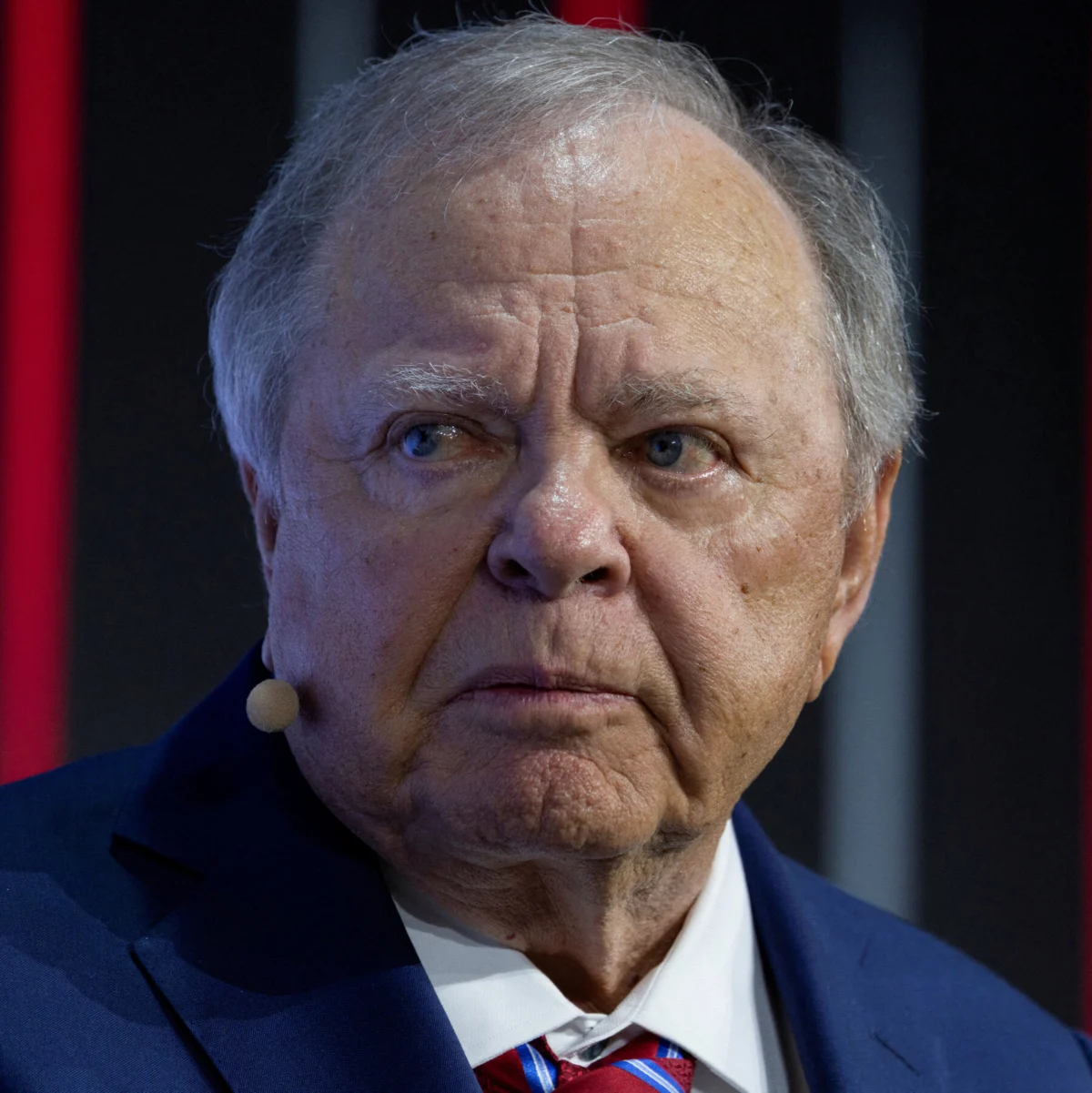
Trump ally Harold Hamm’s company, Continental Resources, has signed a preliminary deal with Venezuela’s state-owned oil company to develop and produce oil. The agreement, reported by NYT > Business, represents a rare direct energy partnership between a U.S. firm and Venezuela amid years of geopolitical tension and U.S. sanctions targeting the South American nation’s oil sector.
The preliminary nature of the deal means terms remain fluid and execution depends on multiple factors, including regulatory approvals and evolving political conditions affecting Venezuela’s energy industry.
Key Facts
- Continental Resources signed a preliminary deal with Venezuela’s state-owned oil company.
- The agreement covers developing and producing oil in Venezuela.
- The deal involves Harold Hamm, a known ally of former President Trump.
- The source of the report is NYT > Business.
- The arrangement is described as preliminary, indicating it is not yet finalized.
Who Is Harold Hamm and Why Does This Matter?
Harold Hamm is the founder and former CEO of Continental Resources, a North Dakota-based oil and natural gas company with significant operations in the Bakken formation. He was a major donor and advisor to former President Donald Trump during his 2016 presidential campaign and served briefly as an energy policy advisor. His involvement in a deal with Venezuela — a country that has faced extensive U.S. sanctions — raises questions about shifting U.S. energy diplomacy and potential policy changes under future administrations.
Venezuela’s state-owned oil company, PDVSA, controls the majority of the nation’s vast oil reserves. However, years of economic mismanagement, underinvestment, and U.S. sanctions have severely reduced Venezuela’s oil output. A partnership with a prominent U.S. firm like Continental Resources could signal renewed interest in rehabilitating Venezuela’s energy sector, though the preliminary nature of the deal suggests significant hurdles remain.
What Happens Next?
Because the arrangement is described as preliminary, it lacks legally binding commitments and may not proceed if either party encounters obstacles. Regulatory, legal, and diplomatic barriers — particularly those related to U.S. sanctions on Venezuela — could prevent the deal from advancing beyond its current stage.
Further details about the scope of cooperation, investment levels, and timelines are not provided in the source. Analysts will likely watch whether similar partnerships emerge and whether the U.S. government adjusts its stance on Venezuelan energy exports in response.
What We Know — and What We Don’t
Verified by the source:
- Continental Resources signed a preliminary oil deal with Venezuela’s state-owned oil company, according to NYT > Business.
- The deal involves developing and producing oil in Venezuela.
- Harold Hamm, a Trump ally, leads Continental Resources.
- The source publication is NYT > Business.
- The agreement is characterized as preliminary rather than final.
Still unconfirmed:
- The full financial terms of the preliminary deal.
- Any timeline for implementation or final contract signing.
- Whether the deal complies with existing U.S. sanctions on Venezuela.
- Official statements or responses from Venezuela or U.S. authorities.
Why It Matters
This potential energy partnership sits at the intersection of U.S. domestic energy interests and foreign policy challenges in Latin America. Should the deal move forward, it could reflect a shift in U.S. strategy toward Venezuela, especially amid debates over energy security, sanctions enforcement, and diplomatic normalization. For investors and policymakers, developments around the Venezuela oil deal may indicate broader trends in international energy cooperation and sanctions policy.
A preliminary oil agreement between Continental Resources and Venezuela’s state-owned oil company highlights complex dynamics between U.S. energy firms and Latin American markets.
What To Watch
Future developments will depend on whether the preliminary agreement evolves into a binding contract and how U.S. and Venezuelan authorities respond to the proposed collaboration. The role of existing sanctions remains a critical factor to monitor.