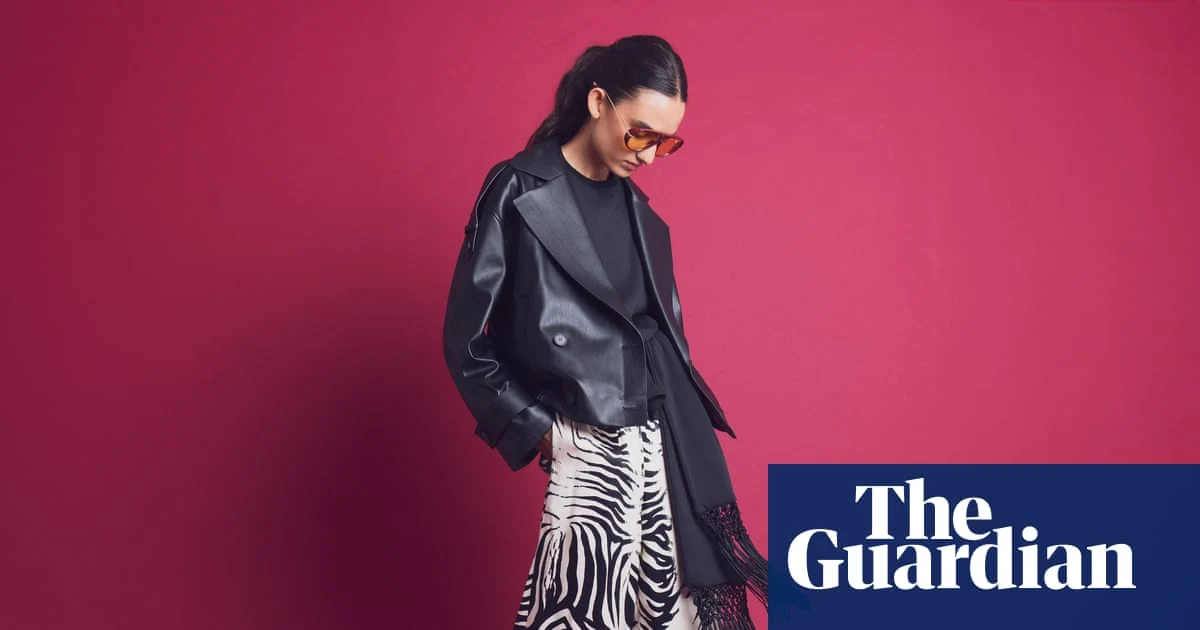
Fashion commentary increasingly questions whether chasing trends serves anyone well, suggesting personal style now trumps seasonal dictates. In a recent column, Jess Cartner-Morley reflected on how the push for sustainable clothing has reshaped what people consider worth buying. She noted that while lasting wardrobe pieces matter, a touch of playful mischief—like zebra-stripe trousers—can still bring joy. The era of mass bullying others into specific looks has faded, replaced by quieter confidence in self-expression.
Key Facts
- The push to buy lasting, sustainable clothes is a good thing.
- Every wardrobe needs a bit of mischief.
- Fashion no longer enforces trends through peer pressure.
- Peacocking has been phased out in favor of understatement.
- Personal style is now preferred over trendy appearances.
How Did Fashion Lose Its Trend Bullying Power?
Cartner-Morley argues that traditional trend enforcement has crumbled. Where once critics and influencers pressured readers into adopting bold seasonal styles—like banana-yellow hues or puffball sleeves—those tactics no longer resonate. Consumers today are more skeptical of manufactured urgency and prefer pieces that align with their identities rather than dictated aesthetics. This shift reflects broader cultural movements toward authenticity and mindfulness.
The collapse of coercive fashion advice coincides with growing awareness around wasteful consumption habits. As environmental concerns intensify, shoppers gravitate toward thoughtful purchasing decisions instead of impulse-driven purchases promoted by fast-fashion cycles. This behavioral change signals maturity within the industry itself—from spectacle to substance.
Who Benefits From Slower, More Personal Style Choices?
Readers seeking reassurance about dressing authentically find value in Cartner-Morley’s message encouraging small acts of rebellion via fun clothing choices. Individuals tired of feeling excluded by rigid style rules gain permission to explore wardrobe creativity without fear of ridicule. Meanwhile brands pivoting toward sustainability benefit from promoting durable goods aligned with consumer values.
Smaller labels emphasizing craftsmanship and longevity also thrive amid this new landscape where quality outweighs quantity. Shoppers increasingly reward companies demonstrating ethical practices over those relying solely on viral marketing campaigns designed to sell short-lived fads. Ultimately, both creators and consumers win when fashion celebrates individual expression rooted in real life experiences rather than artificial hype.
What We Know — and What We Don’t
Verified by the source:
- The commentary appears in The Guardian under the category top-stories.
- The author emphasizes balancing sustainable clothing purchases with playful fashion choices.
- She describes former practices of pushing trends via media influence.
- The article references zebra stripe trousers as an example of fun clothing.
- Peacocking behavior is stated as having been phased out.
Still unconfirmed:
- No specific publication date beyond September 2026 reference.
- No named individuals cited apart from the unnamed columnist.
- No survey data or statistics supporting claims about fashion behavior shifts.
- No direct quotes provided from other commentators or industry experts.
- It remains unclear how widespread these views are among fashion writers generally.
Why It Matters
This evolving perspective on sustainable clothing and personal style speaks directly to readers navigating daily decisions about consumption and identity. With increasing pressure to make eco-conscious choices, consumers seek guidance distinguishing genuine value from marketing noise. Understanding these dynamics helps people build wardrobes reflecting personality while reducing harm—an outcome beneficial across generations concerned with planetary health.
What To Watch
As fashion continues evolving toward slower, more conscious models, future commentary may highlight further erosion of fast-fashion dominance. Analysts will likely monitor whether younger demographics sustain interest in sustainable clothing initiatives long term. Whether mainstream outlets amplify similar messages depends largely on reader engagement levels moving forward.