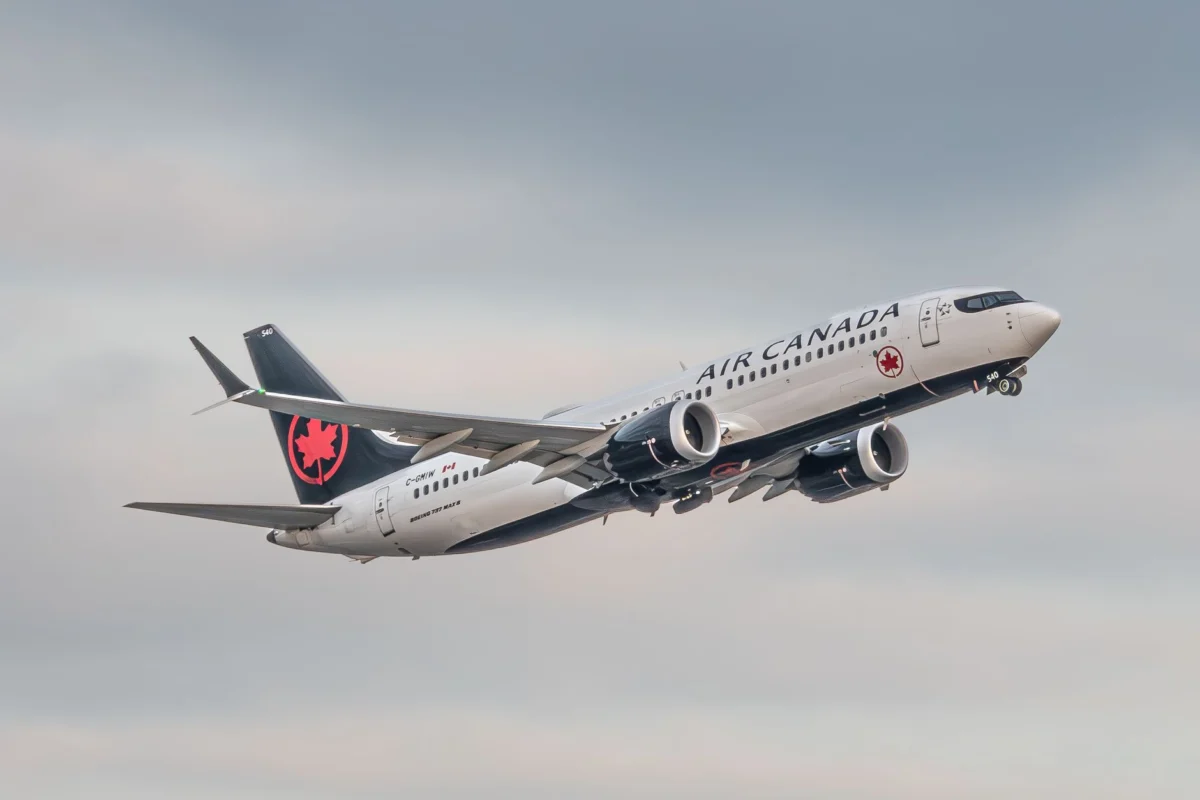
The US Federal Aviation Administration has certified the Boeing 737 MAX 7 aircraft, delivering a win for Boeing.
This certification means the plane has met the agency’s safety standards and can proceed toward service.
The move follows a lengthy review process and is seen as a step forward for the aircraft’s return to commercial operations.
- US FAA certifies Boeing 737 MAX 7
- The certification is a win for Boeing, the planemaker
- Boeing is the manufacturer of the 737 MAX 7 aircraft
What does FAA certification mean?
When the FAA certifies an aircraft, it has concluded that the design meets all applicable safety regulations. The process involves extensive testing, analysis, and review of documentation. Certification allows the manufacturer to offer the aircraft to airlines for operation, pending any additional operational approvals. For the Boeing 737 MAX 7, this step confirms that the jet satisfies the FAA’s airworthiness standards.
The outcome does not automatically put the plane into service; airlines must still secure their own operational approvals and ensure compliance with maintenance and training requirements. Nonetheless, certification removes a major regulatory hurdle and signals confidence in the aircraft’s safety profile.
What happens next for the Boeing 737 MAX 7?
After receiving FAA certification, Boeing will work with airlines that have ordered the 737 MAX 7 to finalize delivery schedules. The manufacturer will also support carriers in obtaining the necessary operational certificates from their national aviation authorities. Marketing and customer outreach typically intensify once a type certificate is in hand.
Industry observers will watch for the first commercial flight and any service entry announcements. The timeline for these events depends on airline readiness and regulatory coordination, but the certification clears the path for the aircraft to begin transporting passengers.
How does the certification process work?
The FAA’s aircraft certification involves several phases: initial design review, ground testing, flight testing, and compliance verification. Engineers submit detailed data showing that the aircraft meets standards for structure, systems, performance, and environmental impact. Test pilots conduct numerous flight hours to validate handling qualities and emergency procedures.
Throughout the process, the FAA may issue requests for additional information or modifications. Once satisfied, the agency issues a type certificate, which serves as the official approval for the aircraft model. This certificate is a prerequisite for any airline to operate the type commercially.
What We Know — and What We Don’t
Verified by the source:
- US FAA has certified the Boeing 737 MAX 7
- The certification represents a win for Boeing
Still unconfirmed:
- Exact date of the certification announcement
- Any specific conditions or limitations attached to the certificate
- When the aircraft will enter commercial service
Why It Matters
Certification is a key milestone for any new aircraft model, affecting market competitiveness and airline fleet planning. For Boeing, gaining FAA approval for the 737 MAX 7 helps restore confidence in the MAX family after earlier scrutiny and supports the company’s efforts to meet delivery commitments. The development also influences the broader aviation market, as airlines assess the aircraft’s suitability for routes requiring smaller capacity.
What To Watch
Industry watchers will look for announcements of the first deliveries and entry into service. Any updates on airline operational approvals or performance reports will provide further insight into the aircraft’s real‑world readiness.