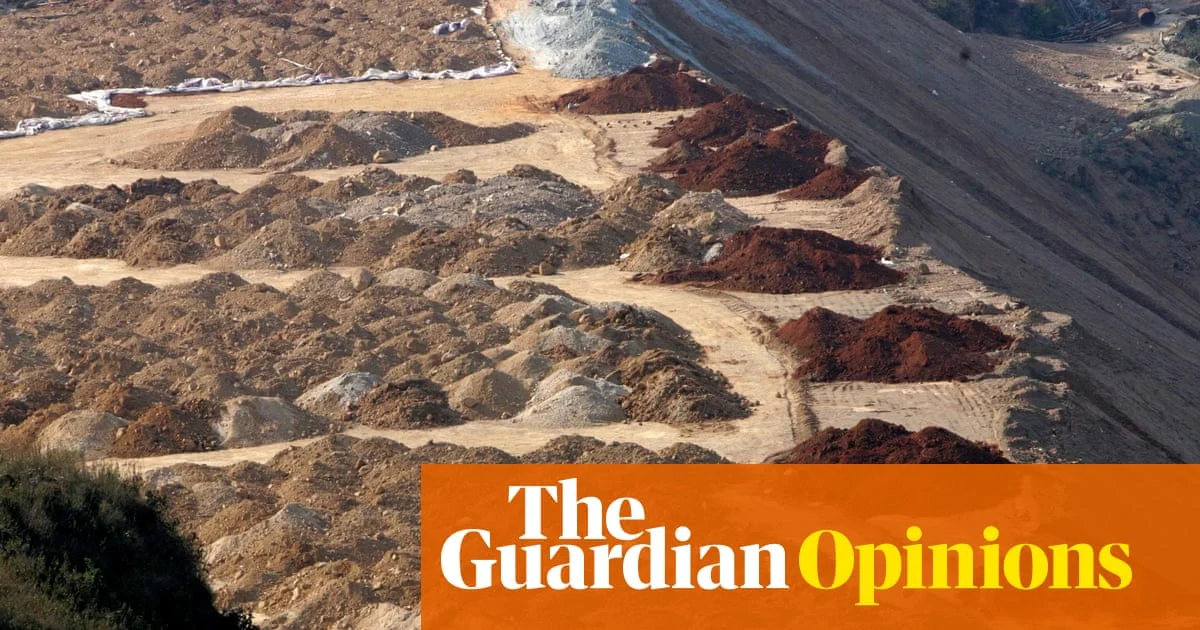
Europe must take action to secure its supply chains for rare earths, critical minerals essential for advanced technology and defense. Outsourcing these resources to China has proven unreliable, especially after China’s export restrictions in disputes and trade wars.
In 2010, China blocked rare earth exports to Japan over disputed islands, highlighting the geopolitical risks of relying on a single supplier. Today, China dominates global rare earth mining and processing, controlling 70% of mining and 90% of processing. Recent trade tensions have further underscored the vulnerability of global supply chains.
Key Facts
- China accounts for 70% of global rare-earth mining and 90% of separation and processing.
- In 2010, China blocked rare earth exports to Japan over disputed islands.
- Last year, China restricted rare earth exports during its trade war with the U.S.
- The price of erbium, essential for communications infrastructure, has risen due to fears of renewed export controls.
Why This Matters
Rare earths are critical for advanced technologies, including electric vehicles, wind turbines, iPhones, and defense systems. Ensuring a stable supply is vital for economic and national security.
How Did We Get Here?
China’s dominance in rare earth mining and processing stems from decades of investment and strategic control. Its export restrictions during trade disputes have forced other nations to reconsider their reliance on Chinese supplies.
What Happens Next?
The year-long trade truce between China and the U.S. is set to expire in November, potentially reigniting tensions and further disrupting rare earth supplies. Efforts to diversify supply chains are expected to intensify.
What We Know — and What We Don’t
Verified by the source:
- China controls the majority of global rare earth mining and processing.
- Export restrictions have been used as leverage in geopolitical disputes.
- The price of erbium has risen due to fears of renewed export controls.
Still unconfirmed:
- Specific strategies Europe plans to implement to secure its rare earth supply.
- How China will respond to global efforts to diversify rare earth supplies.
- The long-term impact of trade tensions on rare earth prices and availability.
Why It Matters
Rare earths are essential for modern technologies, and their supply chain security is a matter of geopolitical and economic importance. Ensuring access to these resources is crucial for innovation and defense.
What To Watch
The expiration of the U.S.-China trade truce in November could lead to renewed export restrictions and further supply disruptions. Efforts to diversify rare earth sources will likely accelerate.