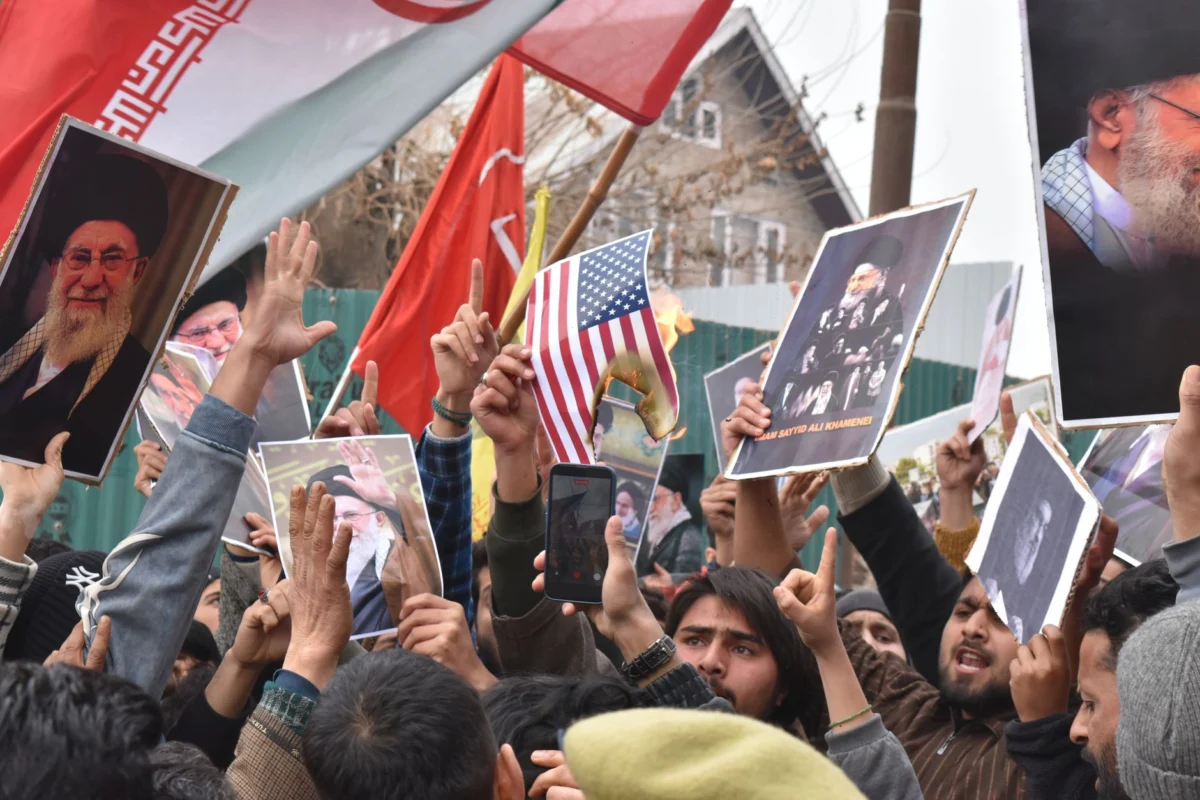
The moment the European Council room fell silent, Ursula von der Leyen held up a single sheet of paper that read: “Joint Comprehensive Plan of Action – Revised.” Inside, a US‑Iran framework signed in Vienna last week promised limited enrichment and a step‑by‑step sanctions relief schedule.
EU leaders welcomed the deal, calling it “a decisive step toward regional stability.” The announcement came as the EU prepares its own sanctions review, which could affect more than €200 billion of trade with Tehran.
What does the US‑Iran framework actually contain?
The 18‑month agreement caps Iran’s uranium enrichment at 3.67 percent, well below weapons‑grade levels. In return, Washington will lift sanctions on Iranian oil exports up to 5 million barrels per month, provided Tehran complies with inspections by the International Atomic Energy Agency.
European officials said the framework mirrors the 2015 JCPOA but adds “clear, enforceable milestones.” If Tehran breaches any clause, the United States can re‑impose sanctions within 48 hours.
Why does this matter?
Europe imports roughly 40 % of its natural gas from Russia. A stable Iran‑US relationship could open a new, lower‑priced gas corridor from the Caspian to Europe, cutting energy bills for households across the continent. Moreover, the deal could dampen extremist recruitment in the Middle East, which directly influences security threats that Europe faces on its own soil.
Energy analysts estimate that if Iran’s oil exports rise to the sanctioned ceiling, global oil prices could drop 0.5‑1 percent, shaving $2‑$4 per barrel off gasoline costs in the EU.
Who benefits and who stays skeptical?
EU finance ministers praised the prospect of “restoring investor confidence” in regional markets, noting that the European Central Bank has flagged geopolitical risk as a drag on inflation forecasts. However, some parliamentary members warned that the framework offers no guarantee that Iran will halt its ballistic‑missile program.
Critics also point out that the United States has not disclosed the exact timeline for lifting secondary sanctions on Iranian banks, leaving European companies uncertain about compliance risk.
For consumers, the headline could translate into lower energy bills and steadier supply chains for commodities that pass through Persian Gulf ports.
What happens next?
The European Council will meet in Brussels next week to decide whether to align its own sanctions regime with the US‑Iran framework. Parallel talks in Geneva aim to bring the International Atomic Energy Agency into a verification role that satisfies both Washington and Brussels.
If the EU adopts the framework, the next 12 months could see a cascade of policy adjustments – from trade licensing to defence budgeting – that reshape Europe’s geopolitical posture.
Watch this space: the first “snap‑check” of Iran’s enrichment levels is due in 90 days, and the outcome will dictate whether the EU’s optimism turns into concrete policy shifts.