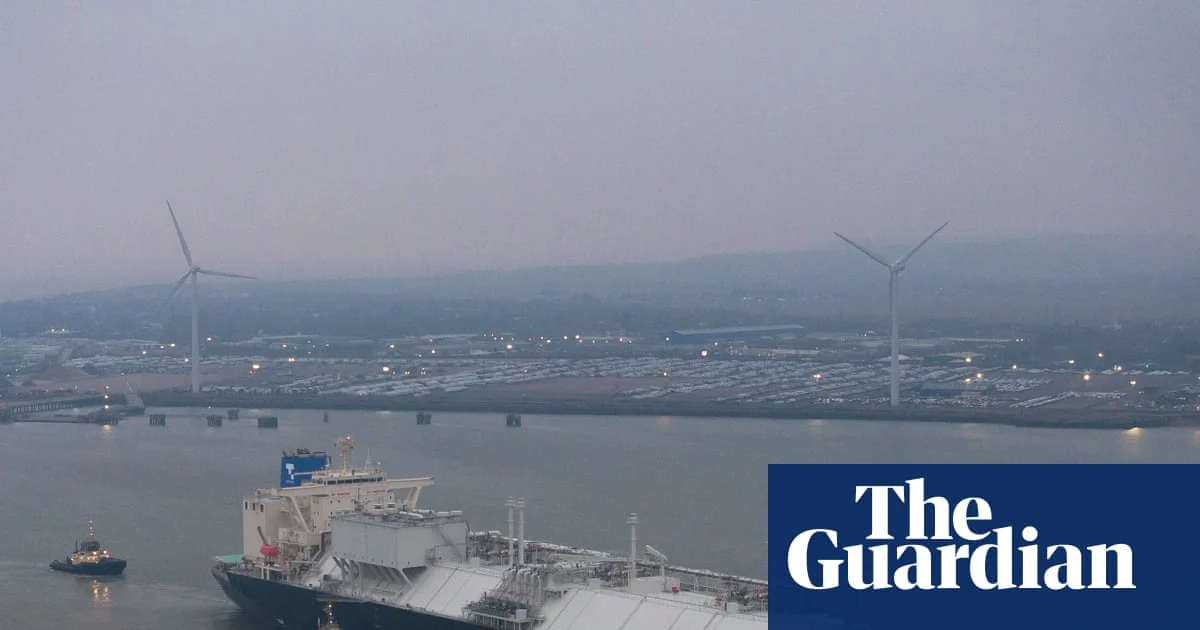
Europe is facing a potential energy crisis as gas reserves hit their lowest level in 13 years, sparking concerns about price volatility and supply shortages during the upcoming winter months. The EU’s gas stocks were only 63% full in late August, significantly below the 80% average for this time of year.
The UK, as one of Europe’s biggest gas consumers, may be particularly vulnerable to price fluctuations. Energy traders have reportedly entered a state of “winter panic” as they assess the implications of these historically low reserves.
Key Facts
- EU gas stocks were 63% full in the last week of August
- This is below the 80% average for late August in recent years
- Current levels are among the lowest ever recorded for this time of year
- The UK may face heightened price volatility due to its high gas consumption
- Energy traders are experiencing “winter panic” according to experts
Why are gas stores so low?
The current situation represents a significant departure from normal seasonal patterns. Typically, European nations work to fill their gas reserves during the summer months to prepare for winter demand. The 17-percentage-point shortfall compared to recent averages suggests unexpected challenges in gas procurement or storage capability.
What does this mean for consumers?
While residential heating needs vary across Europe, the combination of low reserves and potential price volatility could lead to higher energy bills. The situation may particularly impact countries like the UK that rely heavily on gas for both domestic heating and electricity generation. Energy markets often react to storage levels, and current conditions could lead to speculative behavior that further drives up prices.
What We Know — and What We Don’t
Verified by the source:
- EU gas storage levels are at 63% capacity
- This is below the 80% late-August average
- Current levels are among the lowest in 13 years
- Experts report “winter panic” among energy traders
Still unconfirmed:
- Specific reasons for the storage shortfall
- Projections for winter supply adequacy
- Potential government responses to the situation
- Impact on individual country energy policies
Why It Matters
Energy security affects everything from household budgets to industrial production. With winter approaching, European nations face tough decisions about energy allocation and pricing. The situation could test the EU’s ability to coordinate energy policy among member states and maintain stable energy markets during peak demand periods.
What To Watch
Market reactions to the storage data and any official statements from EU energy officials. The coming weeks may reveal whether countries can significantly increase reserves before winter demand begins in earnest.