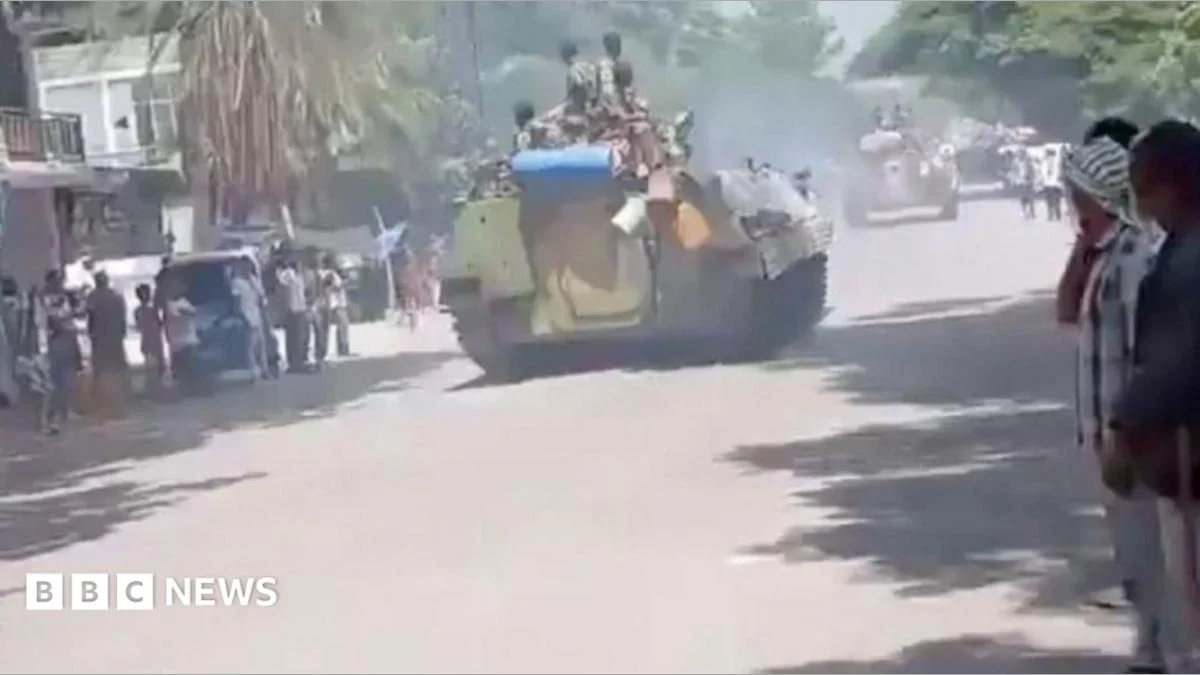
Ethiopia and Eritrea have cut diplomatic ties as conflict escalates in Ethiopia’s northern region, BBC News reports. The diplomatic rupture follows renewed clashes between Ethiopian forces and rebel fighters in the area. This marks a significant deterioration in relations between the two neighboring countries, which previously signed a peace agreement in 2018 after a border conflict.
The ongoing fighting in northern Ethiopia has already strained regional stability and drawn international concern. With both sides accusing each other of aggression, the breakdown in diplomatic channels raises questions about whether dialogue remains possible. The situation is evolving rapidly, and further developments could reshape alliances and humanitarian efforts in the region.
Key Facts
- Ethiopia and Eritrea have cut diplomatic ties amid escalating conflict.
- Fighting continues between Ethiopian forces and rebel fighters in the north.
- The violence follows a 2018 peace deal between the two nations.
- BBC News is the source reporting this development.
The Story
What happens next?
The severing of diplomatic ties reflects a sharp deterioration in Ethio-Eritrean relations. Since 2018, the two countries moved from armed conflict to formal peace, with Eritrean leader Isaias Afwerki attending a joint summit in Addis Ababa. That thaw included reopening embassies and resuming cross-border trade. Now, with embassies closed and communication channels frozen, coordination on trade, security, and displaced persons becomes difficult. Whether either government will pursue backchannel negotiations remains unclear.
Ethiopia’s northern region has seen repeated cycles of unrest. The current wave of clashes involves multiple armed groups operating across disputed or contested zones. These confrontations have disrupted farming, displaced civilians, and complicated aid delivery. As more areas fall under contested control, governance structures weaken. International actors monitoring the region fear a broader spillover effect if hostilities expand beyond current frontlines.
Who is affected?
Civilians in northern Ethiopia are bearing the brunt of renewed hostilities. Displacement, shortages of food and medicine, and damaged infrastructure compound long-standing vulnerabilities. Cross-border communities that once benefited from reopened trade routes now face renewed barriers. Regional peacekeeping missions and humanitarian organizations operate with limited access, hindering relief operations. The absence of formal diplomatic representation further isolates affected populations from direct appeals or protection mechanisms.
How did we get here?
For decades, Ethiopia and Eritrea were locked in a frozen conflict following their 1998–2000 war. A peace agreement brokered in 2018 promised normalization, including family reunifications, cross-border commerce, and joint infrastructure projects. However, underlying tensions over territorial claims and regional influence persisted. Renewed military activity in northern Ethiopia has revived old grievances, culminating in the recent decision to restore pre-2018 diplomatic protocols. Analysts note that domestic pressures within both capitals may be accelerating hardline positions.
What We Know — and What We Don’t
Verified by the source:
- Ethiopia and Eritrea have severed diplomatic ties.
- Clashes are occurring in Ethiopia’s northern region.
- Ethiopian forces are engaged with rebel fighters.
- BBC News reported the information.
Still unconfirmed:
- Exact timeline of the decision to cut ties.
- Names of specific rebel groups involved in fighting.
- Casualty figures or geographic scope of clashes.
- Official statements from either government.
Why It Matters
This development threatens to unravel one of Africa’s most closely watched peace processes. The 2018 accord had offered hope for lasting stability in the Horn of Africa, a strategic corridor linking the Red Sea to inland economies. A return to hostilities risks disrupting trade routes, refugee resettlement programs, and multinational security cooperation. For global readers, renewed instability here can affect energy prices, migration patterns, and counterterrorism efforts in adjacent regions. It also underscores how fragile peace agreements can be without sustained political commitment.
Metropolitan Ethiopia depends heavily on imports routed through ports controlled or influenced by Eritrea. Any prolonged disruption of those supply chains affects millions of urban dwellers already struggling with inflation and fuel shortages. Likewise, Eritrean businesses that invested in joint ventures after 2018 stand to lose revenue from reduced cross-border activity. Investors watching the region will likely reassess risk portfolios tied to East African markets.
What To Watch
Monitor whether either government signals willingness to re-engage diplomatically or authorize third-party mediation. Watch for reports of civilian casualties, refugee flows into neighboring countries, or expanded military deployments along the border. The UN and African Union may increase monitoring if access improves. Updates from BBC News or other major outlets will help confirm whether this rupture leads to wider conflict or a negotiated pause.