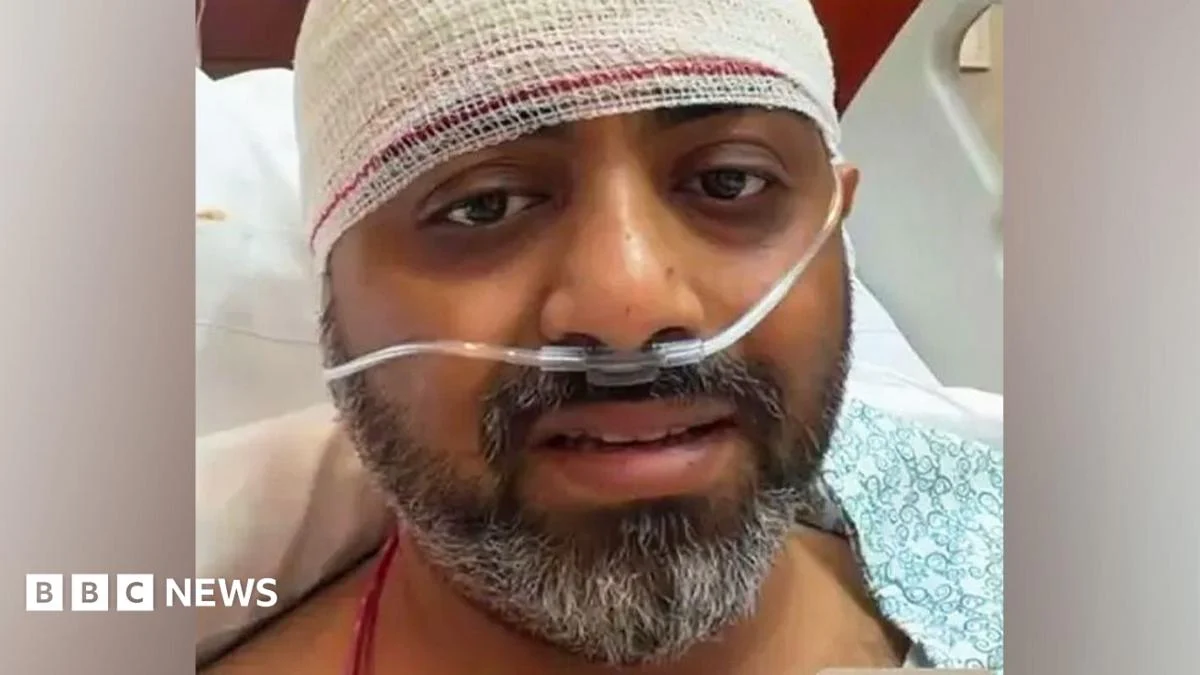
Flydubai pilot Capt Smit Machchhar told Indian Prime Minister Narendra Modi that he opened the cockpit door to let others in during a cockpit attack by a co-pilot. The claim was relayed to the Prime Minister as part of a broader discussion on aviation safety.
Machchhar’s account centers on a moment of crisis in which a co-pilot allegedly attempted to breach or take control of the cockpit. He described acting to allow additional crew members to enter the flight deck.
Key Facts
- Capt Smit Machchhar spoke with Indian PM Narendra Modi.
- He described a cockpit attack by a co-pilot.
- He opened the cockpit door to allow others in during the incident.
The Story
What happened during the cockpit attack?
Captain Machchhar reportedly told Prime Minister Modi that a co-pilot launched an attack inside the cockpit of a Flydubai flight. He stated that he responded by opening the cockpit door so that other individuals could enter the flight deck.
The exact nature of the attack, the timing of the incident, and the identities of the individuals involved have not been independently confirmed. The account comes solely from the pilot’s retelling to the Prime Minister.
This type of incident, sometimes referred to as a cockpit intrusion or hijack attempt, raises significant concerns about pilot mental health, aircraft security protocols, and the balance between cockpit secrecy and emergency access.
Who is affected by this account?
The cockpit attack account involves multiple stakeholders, including the pilot, the co-pilot, airline passengers, and aviation regulators. Passengers rely on cockpit security protocols to remain safe during flight, especially in situations involving unauthorized access or internal threats.
Flydubai, as the operating carrier, would be responsible for investigating any such incident. Aviation authorities in the UAE and India may also take interest given the international nature of commercial aviation safety.
Psychological evaluations and background checks on pilots often come under scrutiny following reports of cockpit breaches, as airlines seek to prevent future occurrences.
How did this reach the Prime Minister?
Captain Machchhar shared his account directly with Prime Minister Narendra Modi, suggesting a high-level conversation about aviation safety measures. Such briefings often occur when airlines or pilots raise concerns about systemic issues or request policy-level intervention.
It remains unclear whether the cockpit attack was formally reported to aviation authorities or if it occurred during a routine or emergency landing. The absence of corroborating statements from Flydubai or official bodies leaves many procedural details unverified.
Nonetheless, the fact that the pilot chose to inform the Prime Minister underscores the perceived gravity of the situation.
What We Know — and What We Don’t
Verified by the source:
- Captain Smit Machchhar spoke with Prime Minister Narendra Modi.
- Machchhar described a cockpit attack by a co-pilot.
- He stated he opened the cockpit door to allow others in during the attack.
Still unconfirmed:
- The date and flight number of the alleged incident.
- The identity and condition of the co-pilot involved.
- Whether Flydubai or aviation regulators have launched an investigation.
- Whether the cockpit attack was officially logged or reported.
Why It Matters
Reports of cockpit attacks, even if anecdotal, highlight ongoing challenges in aviation security and crew mental fitness. Public confidence in air travel depends on rigorous safety standards and transparent reporting of incidents.
What To Watch
Passengers and industry observers will await any formal response from Flydubai or aviation regulators regarding the cockpit attack claims. Additional details could emerge through official statements or investigative reports.