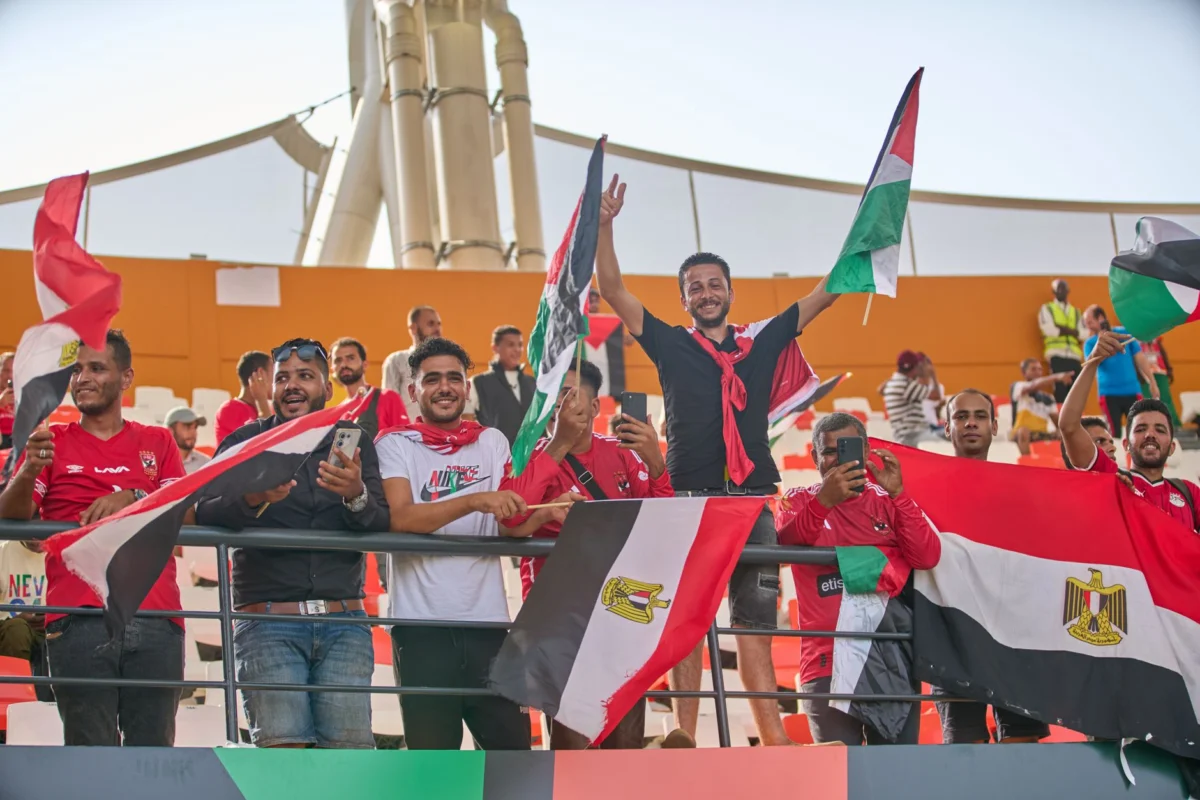
At the 73rd minute of a friendly between Canada and Egypt at Vancouver’s BC Place, a wave of Egyptian supporters leapt to their feet and shouted, “Free Palestine!”—their chant echoing louder than the crowd’s applause.
The spontaneous chorus broke out as the Egyptian team celebrated a goal, turning a routine sporting moment into a political statement that surged through social‑media feeds within minutes.
What sparked the chant?
Fans say the timing was no accident. Recent Israeli airstrikes in Gaza have reignited worldwide protests, and many Egyptians see the conflict as a cause that transcends borders. Al Jazeera’s footage captured dozens of scarves waved, some bearing the Palestinian flag, others displaying the slogan “From the River to the Sea.”
Why does this matter?
This isn’t the first time sport has served as a megaphone for geopolitics, but the scene in Vancouver underscores how diaspora communities can amplify distant crises on North‑American soil. Canadian officials have not yet commented, yet the incident raises questions about free expression at public venues and the responsibility of leagues to manage politically charged chants.
Security personnel reported no arrests; the chant lasted under a minute before officials restored order. Yet the visual lingered—players, coaches, and neutral spectators watched the stadium’s giant screen replay the moment, prompting a flurry of online debate.
For the diaspora, the chant was personal. “My family is in Gaza,” said Ahmed Hassan, a 28‑year‑old engineer from Richmond, speaking on a phone interview after the game. “When we hear our team sing, it feels like our voice finally reaches the world.”
Analysts note that such displays can pressure governments. In Canada, public opinion polls show a narrowing gap between support for Israel and Palestine, especially among younger voters. A surge in activist petitions against Canadian arms sales to Israel followed the match, illustrating how a single chant can ripple into policy discourse.
From a commercial standpoint, broadcasters are watching. Advertisers risk alienating either side of the debate, and networks may need to weigh editorial decisions about showing politically charged fan footage.
Meanwhile, the Egyptian Football Association (EFA) has not issued an official statement, but past incidents—such as the 2022 chant for the Sudanese revolution—suggest the federation may quietly endorse patriotic expressions that align with popular sentiment.
What happens next? Human rights groups say the chant could spur more organized demonstrations at future games, while stadium officials promise tighter monitoring of amplified sound systems. The episode also adds a layer to the broader narrative of how sport intersects with conflict, reminding fans that the pitch can be a stage for peace—or protest.
For readers, the takeaway is clear: a chant in a Vancouver stadium can reverberate through diplomatic corridors, corporate boardrooms, and living rooms across the globe. As the world watches the next match, all eyes will be on whether the echo of “Free Palestine” becomes a lasting refrain or a fleeting moment caught on video.
Stay tuned for follow‑up coverage on how Canadian authorities respond and whether the EFA will address the chants publicly.