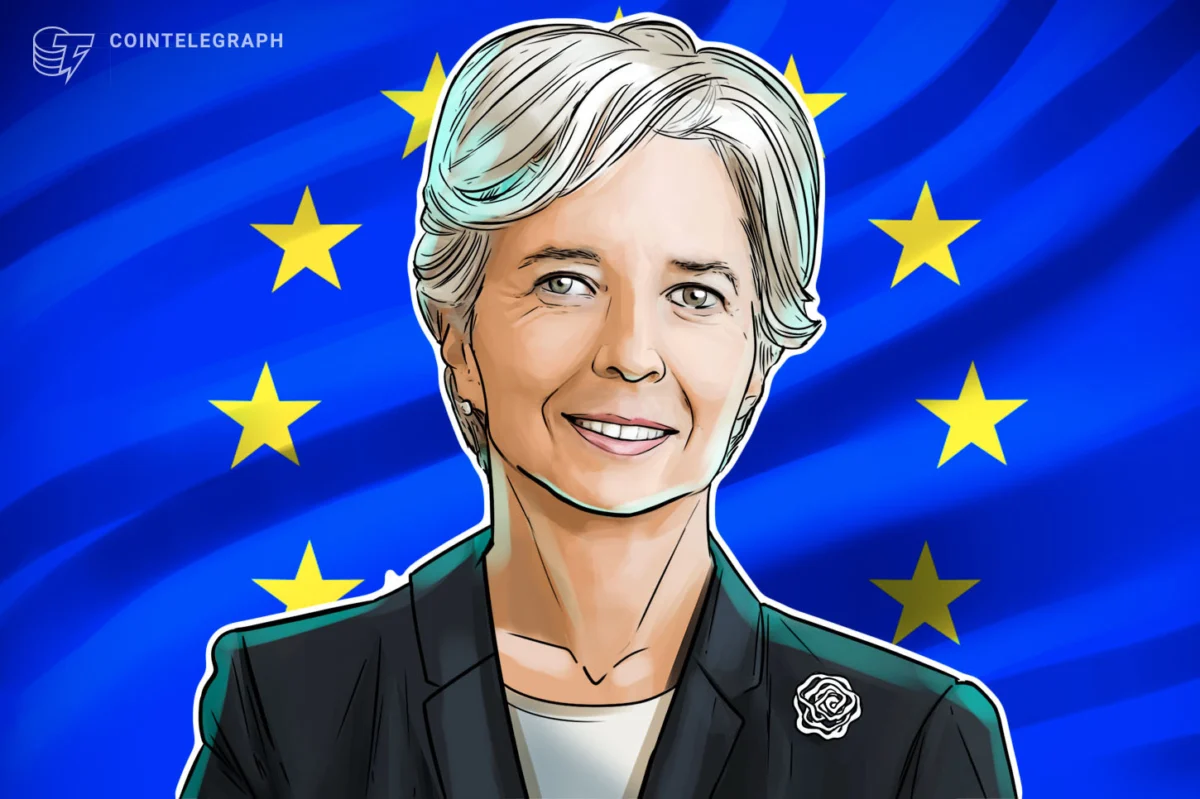
Lagarde says the digital euro will soon become a reality, adding that it can further stimulate innovation and competition in retail payments across the euro area. The European Central Bank’s head also noted that the euro-area economy has shown notable resilience despite ongoing global headwinds.
The remarks come as central banks worldwide weigh the future of money, with the digital euro positioned as a strategic response to evolving payment technologies and private-sector competition. Meanwhile, economic data suggests the euro area has proven resilient, though challenges remain.
KEY FACTS
- ECB President Lagarde says the digital euro will soon be launched.
- The digital euro aims to stimulate innovation and competition in retail payments.
- The euro-area economy is described as resilient by ECB leadership.
- Cointelegraph.com News reported the statements, citing ECB commentary.
What We Know About the Digital Euro
The digital euro represents a potential shift in how Europeans conduct everyday transactions, offering a central bank-backed alternative to cash and private digital wallets. According to the source, the European Central Bank sees this currency not just as a tool for financial inclusion, but as a driver of innovation within the retail payments sector. By introducing a state-backed digital currency, the ECB could reduce reliance on non-European payment providers and strengthen monetary sovereignty.
Advocates argue that a digital euro could improve cross-border transactions and support the euro’s global standing in an increasingly digital economy. However, critics raise concerns about privacy, data security, and the potential impact on traditional banking systems if consumers shift deposits to central bank liabilities.
Why the Euro-Area Economy Matters Now
Describing the euro-area economy as resilient underscores confidence in its ability to withstand external pressures such as energy volatility, geopolitical uncertainty, and tighter monetary policy. A resilient economy provides the backdrop for major policy initiatives like the digital euro, which require both public trust and institutional stability to succeed.
Roughly 20 countries currently use the euro, making the bloc one of the world’s largest economic entities. Decisions made by the ECB affect millions of businesses and savers, amplifying the significance of any forward-looking monetary tools such as a digital currency. The interplay between economic health and technological readiness will likely shape the rollout timeline.
What Happens Next?
The ECB has indicated that further steps toward launching the digital euro are imminent, suggesting that concrete decisions or pilot programs may follow shortly. Observers expect additional clarity on design features, regulatory frameworks, and collaboration with banks during the coming months. Until then, the balance between innovation and stability remains delicate, especially amid evolving consumer expectations around digital finance.
What We Know — and What We Don’t
Verified by the source:
- The digital euro was discussed by ECB officials as beneficial to innovation and competition in retail payments.
- The euro-area economy was characterized as resilient in recent ECB commentary.
- Cointelegraph.com News reported these statements from ECB President Lagarde.
Still unconfirmed:
- The exact timeline or launch date for the digital euro.
- Specific technical features or privacy protections planned for the currency.
- Whether other ECB officials echoed these sentiments publicly.
Why It Matters
For European consumers and businesses, the possible introduction of a digital euro signals a transformation in everyday financial interactions, potentially reshaping everything from grocery purchases to online services. This move also reflects broader trends in global finance where [trading-crypto](/category/trading-crypto) innovations are prompting central banks to modernize their monetary frameworks. A successful rollout could strengthen Europe’s competitive edge while redefining how citizens engage with national currencies in a cash-light future. For investors tracking developments in [economy and markets](/category/economy-markets), such signals from the ECB carry significant implications for financial strategy and regulation. Ultimately, the intersection of economic resilience and digital innovation sets the stage for profound changes ahead.
The digital euro, according to the ECB, will stimulate innovation and competition in retail payments, as economic conditions across the euro area remain stable.