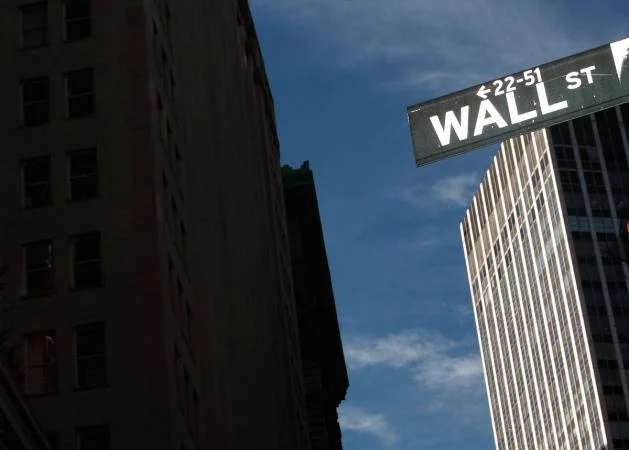
Leading global banks including Goldman Sachs, Wells Fargo, and Morgan Stanley are positioning tokenization as a strategic growth opportunity rather than an emerging threat to traditional finance. The banks see tokenized assets as a way to expand trading capabilities, accelerate payment processing, and create advisory roles within their existing operations.
Tokenization—the process of converting real-world assets into digital tokens on blockchain networks—represents a shift in how major financial institutions approach digital transformation. Rather than viewing the technology as disruptive competition, these banks are integrating it into their core business strategies.
KEY FACTS
- Goldman Sachs, Wells Fargo, and Morgan Stanley view tokenization as a growth opportunity
- Banks see potential for new trading opportunities through tokenization
- Tokenization could help speed up payments for financial institutions
- Banks anticipate a role for advisers as tokenization develops on Wall Street
What Tokenization Means for Wall Street
Tokenization allows traditional financial assets such as stocks, bonds, and real estate to be represented digitally on blockchain networks. This digitization can enable 24/7 trading, fractional ownership, and automated settlement processes. For major banks, these capabilities translate into expanded revenue opportunities across multiple business lines.
The technology also supports faster transaction settlement compared to traditional systems that may take days to complete transfers. Banks can potentially offer clients more efficient ways to move money and settle trades, which becomes increasingly important in global markets where timing affects profitability.
Advisory services represent another area where banks expect to benefit. As institutional clients consider tokenizing their assets, they need guidance on regulatory compliance, technical implementation, and market strategy—all areas where established financial institutions already provide counsel.
How Major Banks Are Positioning Themselves
Goldman Sachs, Wells Fargo, and Morgan Stanley are among the world’s largest banks by assets and trading volume. Their collective decision to embrace tokenization signals growing acceptance of digital asset infrastructure within traditional finance.
By treating tokenization as complementary rather than competitive, these institutions can leverage their existing client relationships, regulatory expertise, and capital resources. This approach differs from earlier skepticism some banks expressed toward cryptocurrencies when the technology first emerged.
The shift also reflects broader industry trends where financial firms are investing in blockchain capabilities and partnering with digital asset companies to stay competitive.
What happens next?
As tokenization platforms mature, banks will likely expand their involvement in digital asset markets. Regulatory clarity from governments and international bodies will shape how quickly institutions can offer tokenized products to clients.
Market adoption depends on several factors including technical standardization, investor education, and evolving compliance frameworks. Banks are preparing infrastructure and teams to serve clients once these conditions align.
WHAT WE KNOW — AND WHAT WE DON’T
Verified by the source:
- Goldman Sachs, Wells Fargo, and Morgan Stanley view tokenization as a growth opportunity
- Banks see new trading opportunities through tokenization
- Tokenization may speed up payment processes
- Banks anticipate advisory roles as tokenization grows
- Tokenization involves converting assets into digital tokens
Still unconfirmed:
- Specific timelines for tokenization product launches
- Exact investment amounts from each bank
- Details about partnership arrangements with blockchain firms
- Regulatory approval status for tokenized asset offerings
- Name of specific spokesperson or executive quoted
WHY IT MATTERS
Banking giants controlling trillions in assets choosing to treat tokenization as a business opportunity rather than a threat indicates growing institutional confidence in digital asset infrastructure. This shift could accelerate mainstream adoption of blockchain-based financial tools.
WHAT TO WATCH
Future announcements from these banks regarding tokenization product launches, regulatory developments, and market responses will provide further clarity. See more on cryptocurrency trends in our trading-crypto coverage and economy and markets analysis.