Lede
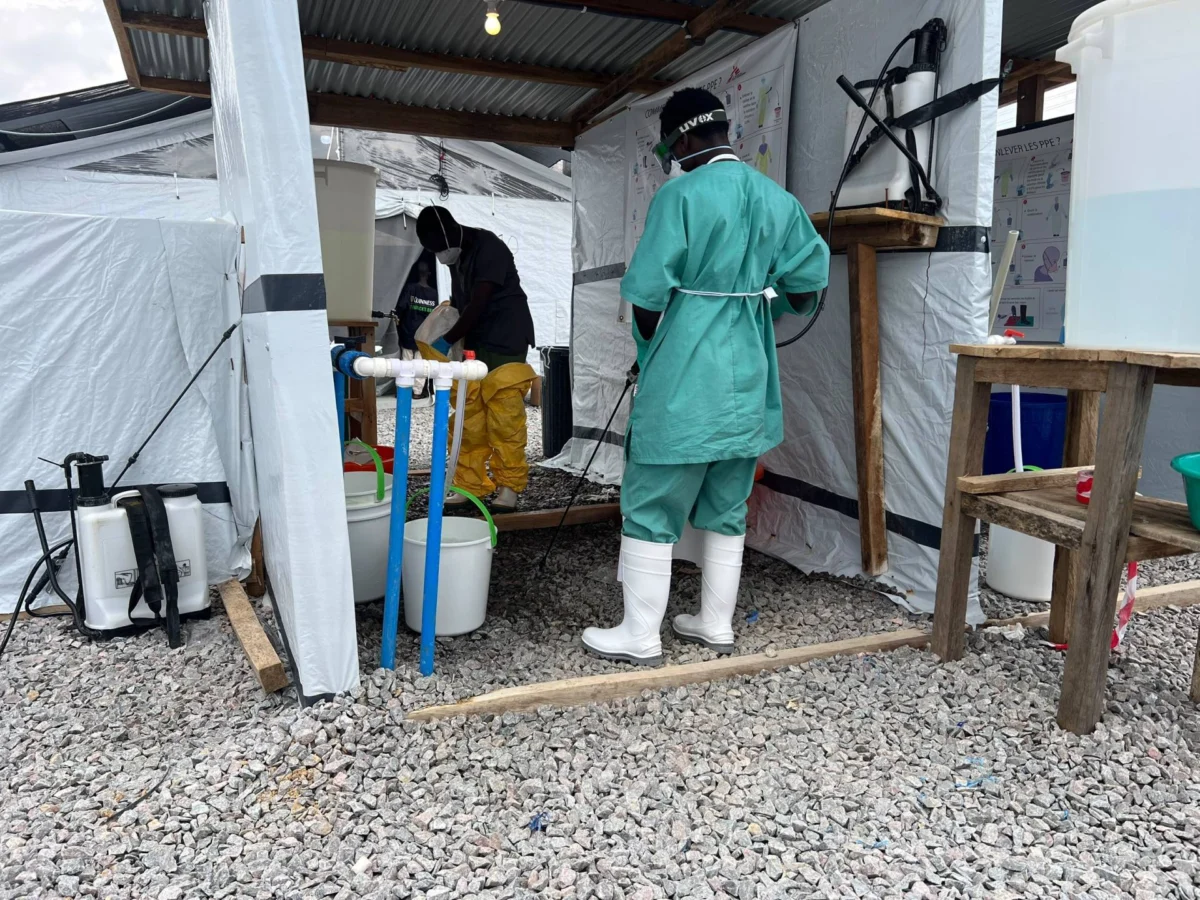
Ebola spreads in eastern DRC as Kenya confirms an imported case, highlighting persistent challenges in containing the disease. The spread follows renewed transmission in affected regions and a fatal infection reported outside the immediate outbreak zone.
These developments underscore the difficulty of halting cross-border transmission and securing vulnerable populations in conflict-affected areas.
Key Facts
- New Ebola cases reported in eastern Democratic Republic of the Congo (DRC).
- Kenya confirms an imported case of Ebola (Kenya).
- Imported case in Kenya is fatal (fatal).
- Outbreak highlights ongoing challenges in Ebola containment.
The Story
What happens next?
Health authorities face mounting pressure to contain Ebola transmission across porous borders and unstable regions. The virus has reappeared in areas with weak health infrastructure and ongoing conflict, complicating response efforts.
Cross-border mobility allows the disease to move beyond initial containment zones. Without swift intervention, further spread into neighboring countries remains a concern.
Who is affected?
Populations in eastern DRC remain especially vulnerable due to limited access to medical care and insecurity. Communities in remote areas often lack basic services needed for outbreak response.
The imported case in Kenya demonstrates how quickly the virus can travel through regional movement of people, even after localized containment attempts.
How did we get here?
Ebola outbreaks in the DRC have recurred for decades, with this region experiencing repeated flares. Weak surveillance systems and logistical barriers slow early detection and response.
Global health organizations rely on local cooperation to trace contacts and distribute vaccines. Delays or gaps in coordination allow unchecked transmission to continue.
What We Know — and What We Don’t
Verified by the source:
- Ebola cases are increasing in eastern DRC.
- Kenya has confirmed one imported Ebola case.
- The imported case in Kenya resulted in death.
Still unconfirmed:
- Total number of new cases in DRC.
- Timeline of infections and public health interventions.
- National or international response measures underway.
Why It Matters
Ebola outbreaks threaten not only regional stability but also global health security. Containing the virus requires rapid international cooperation, functional health systems, and sustained funding—none of which can be taken for granted in crisis-prone regions.
What To Watch
Further cases or official statements from DRC and Kenyan health authorities may clarify the scope of the current spread. Regional cooperation and vaccine deployment will determine whether containment efforts succeed.