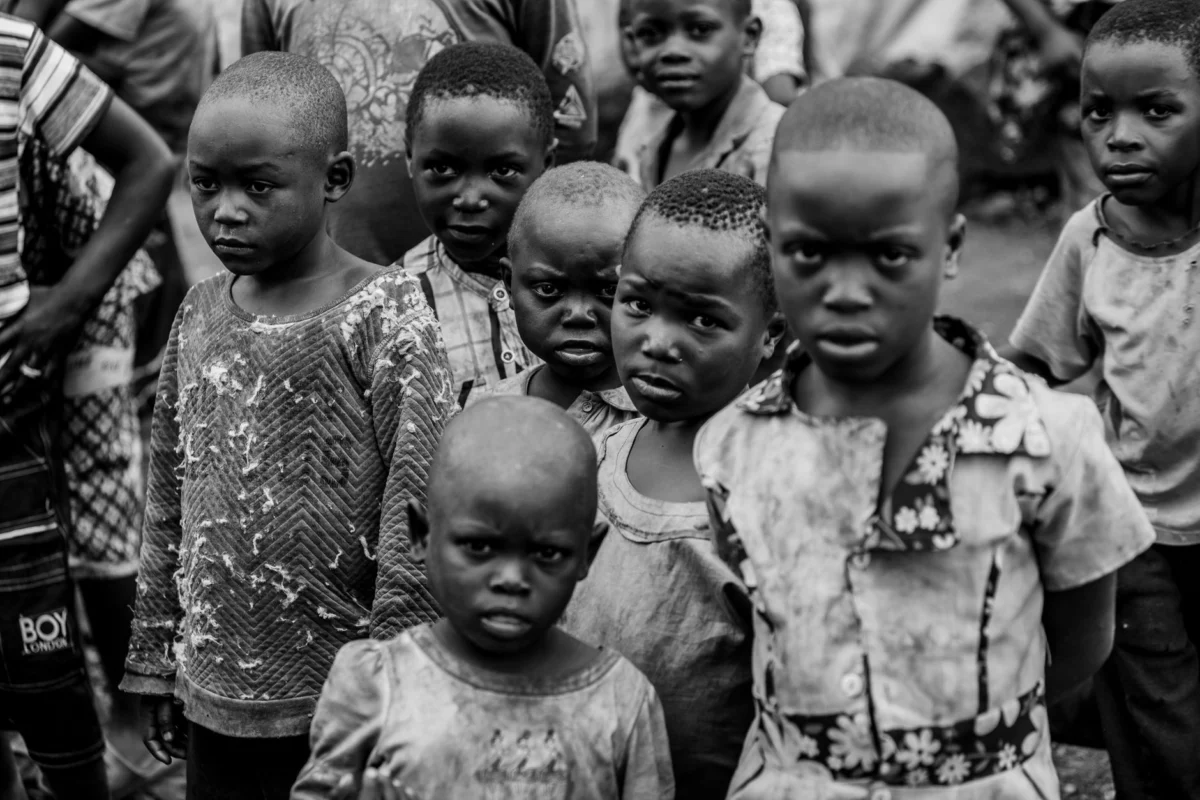
Recent analysis highlights that Ebola risk in the Democratic Republic of Congo (DRC) is closely connected to jobs, poverty, trade and the fragility of health systems. The report points out that unemployment, low wages and limited economic opportunities can exacerbate the spread of the disease.
Why does this matter?
The linkage between economic hardship and disease transmission suggests that addressing joblessness and poverty could reduce the vulnerability of communities to future Ebola outbreaks. When households lack stable income, they may be forced to engage in high‑risk activities such as informal trade or migration, which can increase exposure to the virus.
What happens next?
Experts emphasize that strengthening the health infrastructure in the DRC is essential. A resilient health system would be better equipped to detect and respond to outbreaks, even in areas where economic conditions are difficult. Coordinated efforts that combine health interventions with economic development could therefore lower the overall Ebola risk.
Trade dynamics also play a role, as cross‑border movement of goods and people can facilitate the spread of infectious diseases. Mitigating these risks may involve improving border health checks and providing support for workers who depend on informal trade.
Addressing the underlying economic drivers—such as creating jobs, ensuring fair wages and reducing poverty—can create a more stable environment that supports public health measures. In this way, economic policy becomes a component of disease prevention.
Understanding the intersection of the economy and health is crucial for policymakers, donors and NGOs working in the region. By aligning health‑security strategies with economic development plans, the DRC can better protect its population from the next Ebola threat.
For further reading on the interplay between economics and health in conflict‑affected regions, see our economy and markets coverage.