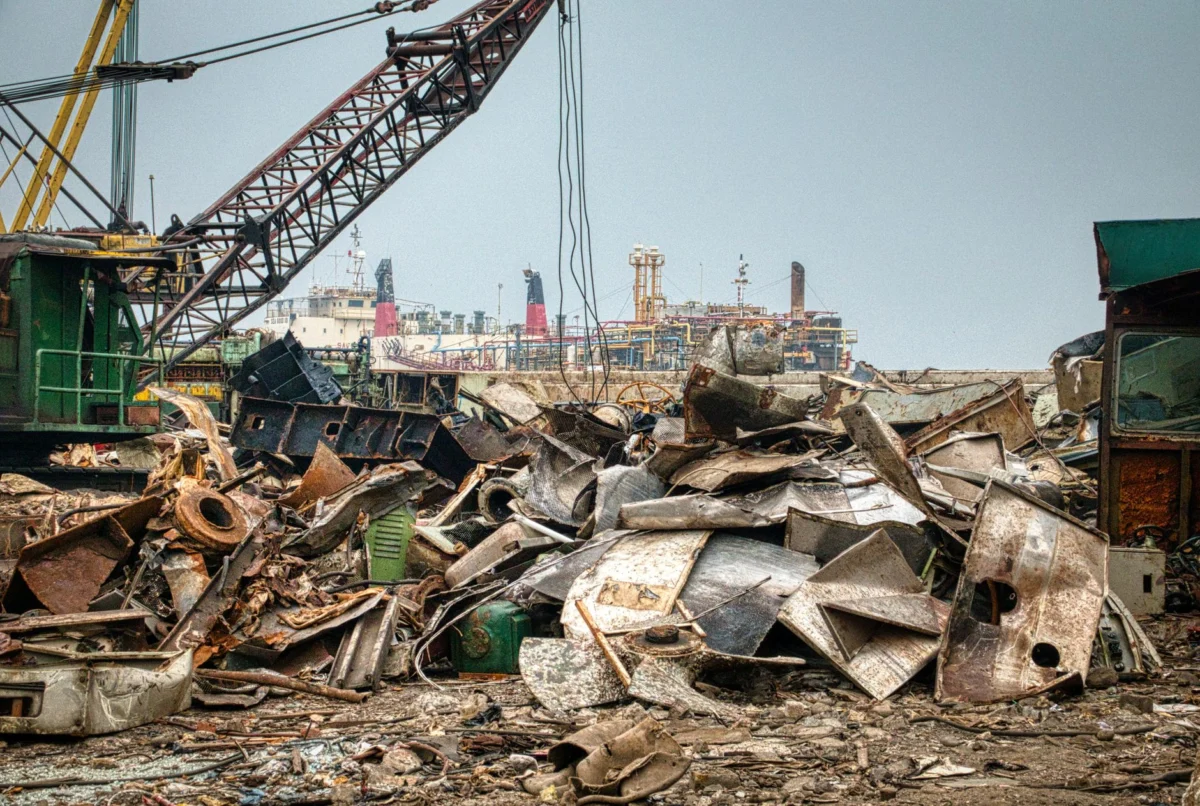
In Mukuru Kwa Ruben, a settlement in Nairobi, families are making a living through a dangerous waste trade. The work involves handling refuse that poses health risks, yet it provides the only source of income for many households.
Why does this matter?
The reliance on the waste trade highlights broader challenges of urban unemployment and informal economies in Kenya. With limited formal job opportunities, residents turn to hazardous activities to meet basic needs, underscoring the intersection of poverty and public health.
What happens next?
Without alternative employment options, the waste trade is likely to continue despite its dangers. Addressing the issue will require coordinated efforts from policymakers, NGOs, and the private sector to create safer livelihood pathways.
The situation in Mukuru Kwa Ruben is part of a larger discussion on economic survival in informal settlements. As the city grows, the pressure on low‑income families to engage in risky work may increase, making it essential to monitor trends and develop interventions.
For ongoing coverage of similar economic and market issues, see the economy and markets archive.