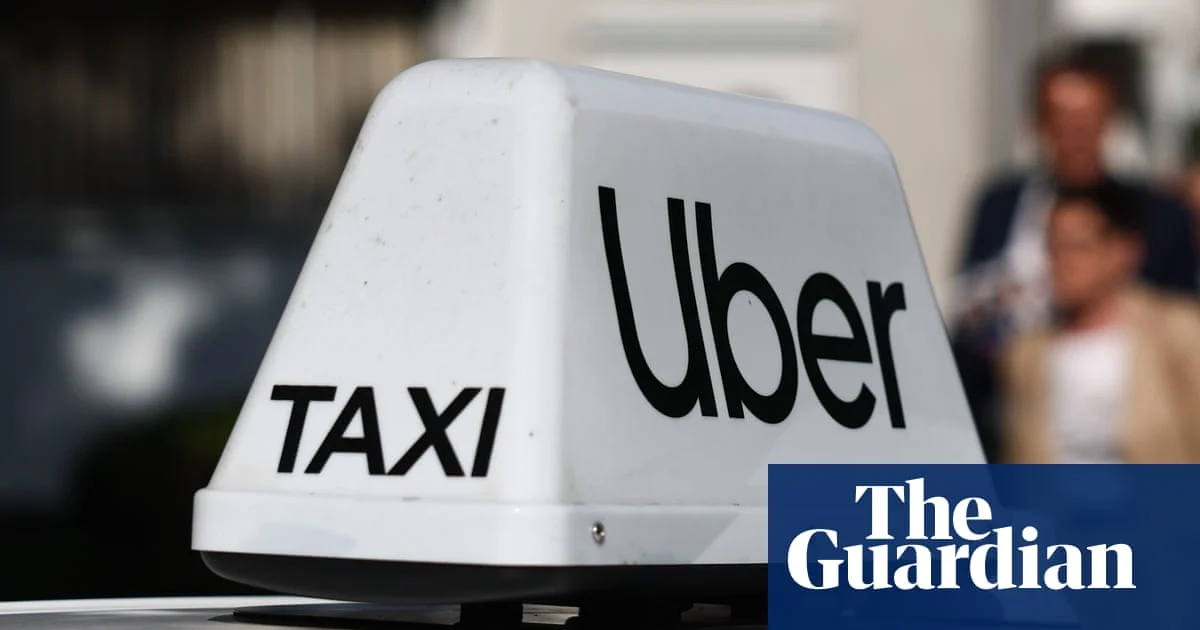
The Dutch data protection authority has fined Uber €825m ($966m) for using automated systems to deactivate driver accounts without providing adequate notice, marking one of the largest penalties ever issued under Europe’s General Data Protection Regulation (GDPR). The 17 August decision reflects ongoing scrutiny of U.S. tech firms under EU privacy and digital market rules, with regulators imposing billions in fines across the bloc.
Uber’s automated suspension system allegedly failed to properly inform drivers before or after account deactivations, a violation of GDPR transparency requirements. The fine ranks as the second-largest GDPR penalty to date, underscoring the strict enforcement of data protection laws in Europe.
KEY FACTS
- Dutch regulator fined Uber €825m ($966m) for automated driver account deactivations.
- Violation involved insufficient notice to drivers under GDPR rules.
- Decision issued on 17 August by the Dutch data protection authority.
- Second-largest GDPR fine ever imposed in Europe.
- Part of broader EU regulatory actions against U.S. tech firms.
What triggered the fine?
The penalty stems from Uber’s use of automated systems to suspend or deactivate driver accounts without clear communication. GDPR mandates that individuals receive timely, transparent explanations for data-related decisions affecting them—especially when automated processing is involved. The Dutch authority found Uber’s process lacked adequate safeguards or recourse for drivers, violating Articles 12–14 and 22 of the GDPR, which govern transparency and automated decision-making.
How does this fit into broader EU tech regulation?
European regulators have increasingly targeted major U.S. tech companies over privacy, antitrust, and platform governance issues. Fines under GDPR alone exceed €4bn since 2018, with Meta accounting for the largest penalties. The Uber case highlights how algorithmic accountability—particularly in gig-economy platforms—remains a priority for EU watchdogs enforcing the Digital Services Act and Digital Markets Act alongside GDPR.
WHAT WE KNOW — AND WHAT WE DON’T
Verified by the source:
- Fine amount: €825m ($966m).
- Reason: Automated driver deactivations without proper notice.
- Date: 17 August decision.
- GDPR ranking: Second-largest penalty to date.
Still unconfirmed:
- Specific number of affected drivers.
- Uber’s formal response or appeal plans.
- Detailed breakdown of GDPR provisions cited.
WHY IT MATTERS
The ruling signals intensified EU scrutiny of algorithmic transparency, particularly for gig workers whose livelihoods depend on platform access. For multinational firms, it reinforces the financial and operational risks of non-compliance with Europe’s stringent data rules. Consumers and advocates may see it as a validation of GDPR’s power to hold tech giants accountable.
WHAT TO WATCH
Whether Uber appeals the fine or adjusts its driver notification systems to comply. Future GDPR cases may test how regulators balance automation efficiencies against individual rights.