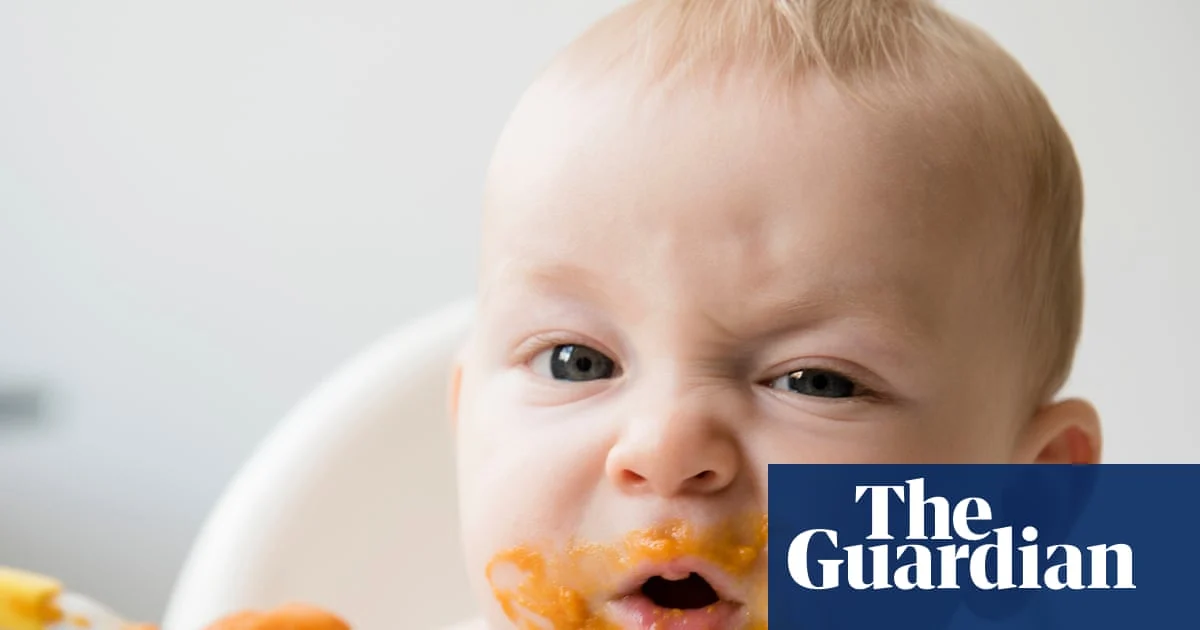
LEDE: More than a quarter of popular branded baby foods in the UK still contain excessive sugar, a year after voluntary industry guidelines aimed at reducing sugar and salt content were introduced. The analysis of 224 branded infant foods and snacks found that over half are in breach of these standards, with misleading labeling also a persistent issue.
KEY FACTS:
- Of 224 branded baby foods analyzed, more than half breach current guidelines.
- Nearly a quarter (25%) still contain excessive sugar levels.
- Guidelines introduced in August 2025 gave manufacturers 18 months to reformulate products.
- Rules also address misleading labeling and marketing to infants under 12 months.
What do the guidelines require?
The voluntary standards, set by the UK government, mandate reductions in sugar and salt content across infant food products. Manufacturers were given an 18-month window to comply, with the deadline approaching in early 2027. The rules also prohibit marketing snacks directly to parents of infants under one year old and require clearer labeling to prevent health claims that may mislead consumers.
Why is compliance lagging?
While some manufacturers have reformulated products, the analysis suggests many have been slow to adapt. The guidelines remain voluntary rather than legally binding, which may explain the uneven progress. Consumer advocacy groups have long criticized the industry for high sugar content in baby foods, arguing that early exposure to sweet flavors can shape long-term dietary preferences.
WHAT WE KNOW — AND WHAT WE DON’T
Verified by the source:
- The analysis examined 224 branded baby food products.
- Over 50% fail to meet current nutritional guidelines.
- 24% contain sugar levels deemed excessive.
Still unconfirmed:
- Which specific brands or products are non-compliant.
- Whether enforcement measures will follow if voluntary targets aren’t met.
- How sugar content compares to international standards.
WHY IT MATTERS
Early childhood nutrition significantly impacts long-term health outcomes. Excessive sugar intake in infancy is linked to higher risks of obesity, diabetes and dental problems later in life. With childhood obesity rates rising in the UK, addressing sugar content in first foods represents a key preventive health measure.
WHAT TO WATCH
The 18-month compliance window ends in early 2027, after which the government may consider stronger measures if voluntary efforts prove insufficient. Health advocates will monitor whether more brands reformulate before the deadline.