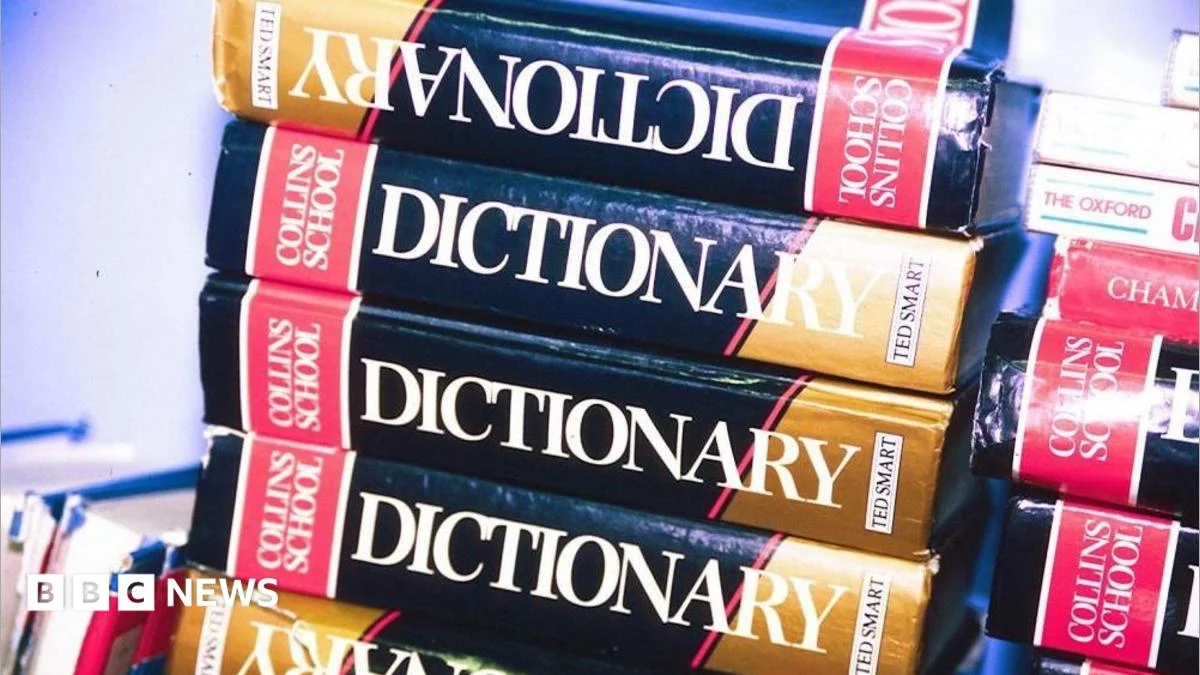
Dictionary.com has named maxing its word of the year, highlighting a trend where people seek to push activities to their limits. The term, a shortened form of maximising, reflects a broader cultural sentiment of escalation, according to an expert cited by BBC News.
The choice underscores how language evolves alongside societal behaviors, capturing moments when certain phrases gain traction across media and everyday conversation. Dictionary.com’s annual selection often mirrors wider themes in public discourse.
Key Facts
- Maxing was selected as Dictionary.com’s word of the year.
- The term is a shortened form of maximising, meaning pushing actions further.
- An expert told BBC News that Americans embrace the term due to a desire to intensify experiences.
- The word reflects a cultural trend toward amplification in behaviour and expression.
- Dictionary.com’s word of the year is based on search volume and public usage patterns.
The Story
What does ‘maxing’ mean?
The word maxing, derived from maximising, refers to the act of taking something to its fullest potential or extent. In recent months, it has gained popularity across social media platforms and informal conversations, particularly among younger demographics.
While the term predates 2024, its surge in searches prompted Dictionary.com to analyze its linguistic impact. Experts suggest the rise mirrors a collective urge to optimise personal experiences — whether in fitness, productivity, or lifestyle choices.
Why this word now?
According to an expert quoted by BBC News, the appeal lies in a mindset that asks: “Whatever we’re doing, we want to push it further.” This philosophy resonates amid ongoing economic pressures, rapid technological change, and shifting global dynamics that encourage individuals to extract maximum value from limited resources.
The selection also aligns with broader trends tracked by lexicographers, who monitor how contemporary stressors influence vocabulary. Words related to digital culture, mental health, and geopolitical uncertainty frequently dominate annual lists, making this year’s pick consistent with observed patterns.
How did we get here?
Language reflects the mood of the moment. As societies grapple with uncertainty — whether through conflict, climate concerns, or post-pandemic adjustments — people often adopt new expressions to articulate complex emotions or strategies. Dictionary.com uses search data to identify these shifts in real time.
Past winners have included terms like “quiet quitting” and “cheugy,” both of which captured generational attitudes. By contrast, maxing represents an active pursuit rather than passive disengagement, suggesting optimism despite adversity.
What We Know — and What We Don’t
Verified by the source:
- Maxing was chosen as Dictionary.com’s word of the year.
- It is a shortened version of maximising.
- An expert explained Americans embrace it due to a push to intensify actions.
- The word gained traction via increased search activity reported by Dictionary.com.
Still unconfirmed:
- The exact date when the word experienced peak searches.
- Which specific field or platform drove the spike in usage.
- Official statements from Dictionary.com beyond BBC’s reporting.
- Long-term usage trends or projected longevity of the term.
Why It Matters
Words shape thought, and dictionary designations spotlight evolving priorities within society. The prominence of maxing may signal a cultural shift toward hyper-engagement, influencing everything from marketing strategies to educational frameworks.
What To Watch
Future reports might reveal whether maxing remains influential throughout the coming year or fades as quickly as other viral terms. Official commentary from Dictionary.com could provide deeper insight into editorial decisions behind the choice.
Dictionary.com names ‘maxing’ its 2024 word of the year amid rising interest in self-optimisation and cultural intensification.