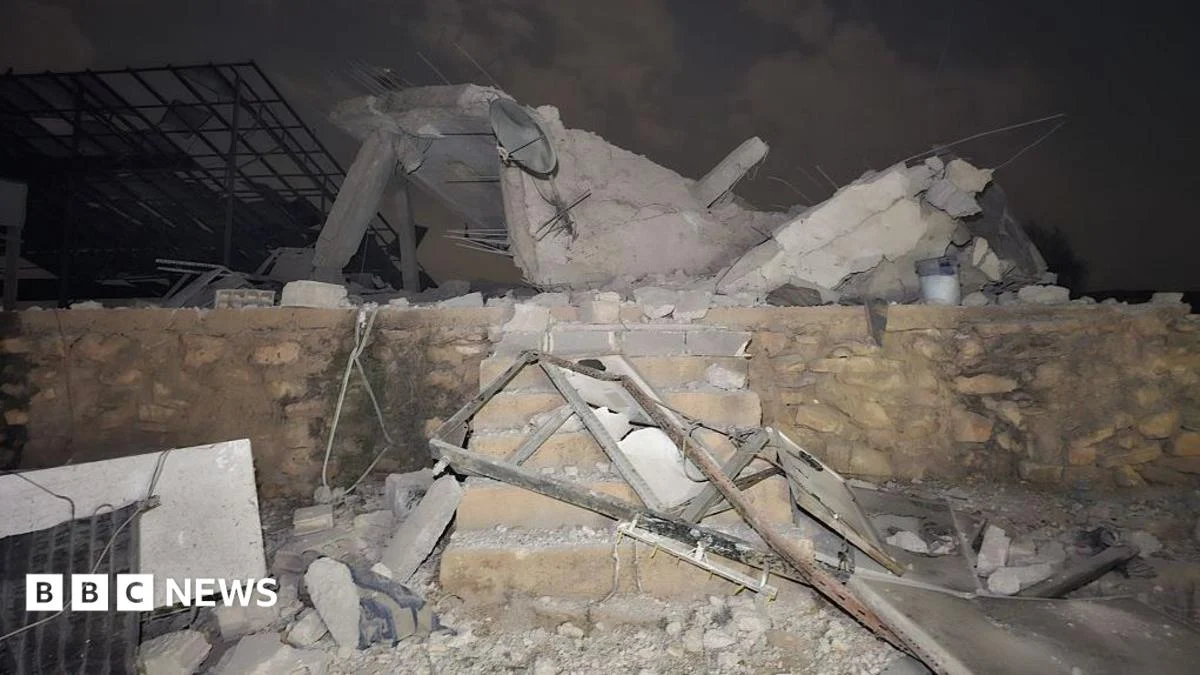
Jordan carried out a deadly strike in Syria in retaliation for a church attack that killed five people, including women and children, Syrian health officials said.
The attack targeted a village in Syria, though further geographic or timing details were not provided in the initial reporting. The casualties, confirmed by Syrian health authorities, include women and children among the deceased.
KEY FACTS
- 5 people were killed in the Syria strike.
- Women and children were among the fatalities.
- Syrian health officials reported the casualties.
- Jordan conducted the retaliatory strike.
- A church attack prompted the response.
What Happened and Where?
The retaliatory Syria strike followed an attack on a church, though the exact location and date of either incident remain unclear from the available summary. Syrian health officials confirmed that five people lost their lives, including women and children. No additional details about the nature of the church attack or the military response were included in the initial report.
This type of cross-border retaliation underscores ongoing tensions in the region, where security incidents often trigger swift military responses. However, without more context, it is difficult to assess the broader implications or whether this marks an escalation in hostilities between Jordan and forces operating in Syria.
Who Is Affected by the Violence?
The deadliest toll from the Syria strike falls on civilians, including women and children, who were among those killed. Such casualties highlight the vulnerability of non-combatants in conflicts that spill across borders. While the intended targets may be militants or military assets, the loss of innocent lives raises concerns among humanitarian groups and regional observers.
Jordan has previously conducted cross-border operations in Syria in response to perceived threats, but each incident risks drawing the kingdom into deeper involvement in Syria’s protracted conflict. For affected families and communities, the immediate aftermath brings grief and uncertainty, compounded by limited access to information or aid.
How Did We Get Here?
Cross-border strikes between Jordan and Syria are not uncommon, particularly following attacks that Jordan attributes to actors within Syrian territory. Past retaliatory actions have typically targeted militant infrastructure, but civilian casualties often accompany such operations.
The church attack that prompted this latest strike appears to have been claimed or attributed by unnamed parties, leading to Jordan’s decision to act. While specific names or groups were not identified in the report, the pattern reflects a cycle of violence and response that regional analysts have long warned could expand beyond control.
WHAT WE KNOW — AND WHAT WE DON’T
Verified by the source:
- A strike in Syria killed 5 people, including women and children.
- Syrian health officials confirmed the casualties.
- Jordan conducted the strike in retaliation for a church attack.
Still unconfirmed:
- The exact location and date of the strike.
- The identity of those responsible for the church attack.
- The number of injured or missing individuals.
- Any official statements from Jordanian or Syrian governments.
Why It Matters
Incidents involving civilian casualties in cross-border military actions often strain diplomatic relations and draw international concern. When strikes result in deaths among women and children, they fuel debates over proportionality and accountability in warfare. For regional stability, such events can either de-escalate quickly through mediation or spiral into broader confrontations, depending on how involved parties respond.
This latest development contributes to an already volatile landscape in the Middle East, where overlapping conflicts and shifting alliances make even localized incidents potentially significant. General readers should understand that while the immediate impact is measured in lives lost, the ripple effects may influence policy decisions, refugee movements, and peace efforts for months to come.
What To Watch
Observers are likely awaiting official statements from Jordan or Syria regarding the strike. International bodies may also call for investigations if civilian harm is confirmed. Future developments could include diplomatic reactions or changes in border security protocols.