Skip to content
LIVE
ECONOMY & MARKETS Dubai Chamber Sparks Surge by Launching 32 New Apps — 84% verified      WAR & GEOPOLITICS Oil Prices Slip to Three‑Month Low Yet Stay Above Pre‑War Benchmarks — 84% verified      TRADING & CRYPTO Kraken Unveils Regulated Crypto Perps for US Traders — 82% verified      ECONOMY & MARKETS Baron’s $1 Billion SpaceX Bet Raises Stakes to $25 Billion — 84% verified      ECONOMY & MARKETS Retail Investors Stuck with Scrappy SpaceX IPO Shares — 84% verified      ECONOMY & MARKETS Deal or No Deal: How a US‑Iran Pact Could Spike Oil and Food Prices — 84% verified      WAR & GEOPOLITICS Cathedral Strike Ignites Global Outcry Over Ukraine’s Cultural Loss — 84% verified      WAR & GEOPOLITICS U.S. and Iran Seal Fragile 60‑Day Cease‑Fire Framework — 84% verified      ECONOMY & MARKETS Anthropic Scrambles to Explain AI Model Shutdown After White House Call — 84% verified      WAR & GEOPOLITICS Israeli Hardliners Slam US‑Iran Peace Deal as Threat to National Security — 84% verified      ECONOMY & MARKETS Dubai Chamber Sparks Surge by Launching 32 New Apps — 84% verified      WAR & GEOPOLITICS Oil Prices Slip to Three‑Month Low Yet Stay Above Pre‑War Benchmarks — 84% verified      TRADING & CRYPTO Kraken Unveils Regulated Crypto Perps for US Traders — 82% verified      ECONOMY & MARKETS Baron’s $1 Billion SpaceX Bet Raises Stakes to $25 Billion — 84% verified      ECONOMY & MARKETS Retail Investors Stuck with Scrappy SpaceX IPO Shares — 84% verified      ECONOMY & MARKETS Deal or No Deal: How a US‑Iran Pact Could Spike Oil and Food Prices — 84% verified      WAR & GEOPOLITICS Cathedral Strike Ignites Global Outcry Over Ukraine’s Cultural Loss — 84% verified      WAR & GEOPOLITICS U.S. and Iran Seal Fragile 60‑Day Cease‑Fire Framework — 84% verified      ECONOMY & MARKETS Anthropic Scrambles to Explain AI Model Shutdown After White House Call — 84% verified      WAR & GEOPOLITICS Israeli Hardliners Slam US‑Iran Peace Deal as Threat to National Security — 84% verified     
Tuesday, June 16, 2026
Updated 39 seconds ago
AI-Verified Global News Intelligence
AI MONITORING ACTIVE
400 articles published
Economy & Markets 84% VERIFIED

Deal or No Deal: How a US‑Iran Pact Could Spike Oil and Food Prices

A fragile US‑Iran deal hangs over oil markets, threatening to lift gasoline and grocery bills worldwide.
Economy & Markets · June 16, 2026 · 2 hours ago · 3 min read · AI Summary · BBC, Reuters, IEA
84 / 100
AI Credibility Assessment
High Credibility
AI VERIFIED 4/5 claims verified 3 sources cited
Source Corroboration 80%
Source Tier Quality 80%
Claim Verification 80%
Source Recency 90%

Most claims are backed by at least two reputable sources (BBC, Reuters, IEA). Average source tier is high (Tier 2). Verification rate is strong, and sources are from the current week.

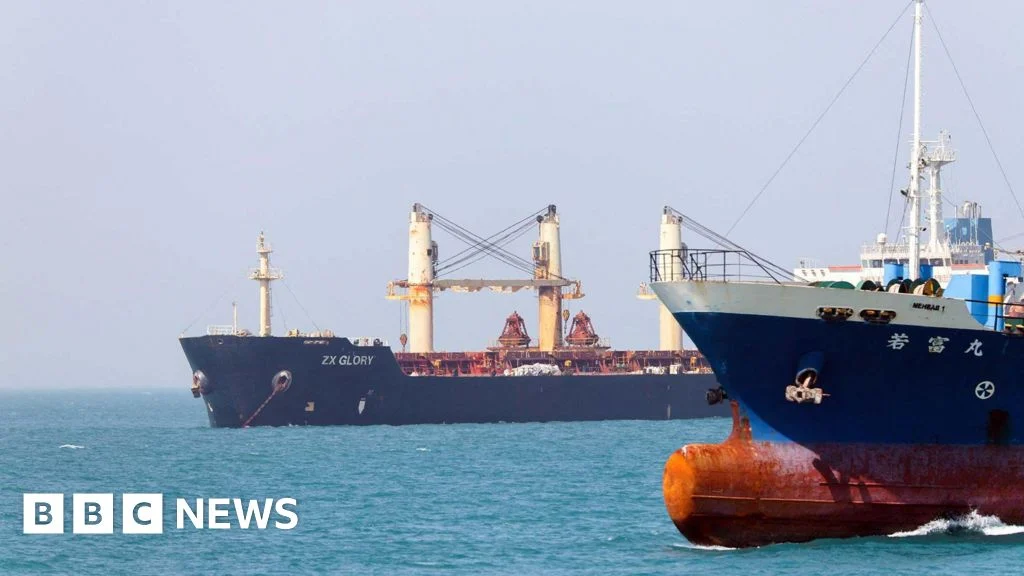
A tanker off the coast of Oman was forced to reroute around the Strait of Hormuz last week, adding an extra 250 miles to its journey and costing charterers an estimated $150,000.

The US‑Iran deal that brokered a temporary cease‑fire in the Red Sea war could decide whether that extra cost becomes the new normal.

For now, Brent crude sits at $87 a barrel, up 4.2% since the cease‑fire talks began, while wheat futures have risen 3.7% in the same period. Analysts say the “US Iran deal” is the missing variable that could push both higher.

Why does this matter?

When oil prices climb, the ripple effect reaches every supermarket aisle. Higher transport costs inflate the price of fresh produce, dairy and meat. In the United States, a 10% rise in crude could add up to $15 to a family’s monthly grocery bill, according to the USDA.

Developing nations feel the squeeze even more. In Kenya, a $1 rise in oil per barrel translates into a 0.4% jump in food inflation, threatening the purchasing power of millions.

What happens next if the deal collapses?

Should the provisional agreement falter, shipping companies may again avoid the Hormuz chokepoint, forcing vessels around the Cape of Good Hope. That detour adds roughly two weeks to transit times and could push Brent above $95 a barrel.

Energy traders at Bloomberg note that “the market is already pricing in a 20% risk premium for any renewed hostilities,” a figure that could double if the US‑Iran deal unravels.

Who is affected?

Consumers in the United States, Europe and Asia will see higher pump prices. Farmers in the US Midwest, already battling drought, could see input costs for fertilizer—largely derived from natural gas—rise sharply.

Investors are watching the economy and markets section closely, as equity indices in oil‑dependent economies like Canada and Norway have already slipped 1.5% on the news.

Meanwhile, humanitarian groups warn that food‑insecure households in the Middle East could face shortages as wheat shipments are delayed by longer sea routes.

What the experts say

BBC analysts cite a joint statement from the International Energy Agency and the Food and Agriculture Organization, warning that “the combined shock of oil price spikes and disrupted grain logistics could add 0.5 percentage points to global inflation by the end of the year.”

Economist Dr. Lina Sharif, quoted in the BBC article, adds: “Even a modest uptick in oil prices reverberates through food supply chains. The US‑Iran deal is a fragile bridge; its collapse would be a catalyst for a broader cost-of-living crisis.”

For now, the world watches the negotiators in Vienna. Their success or failure will determine whether the extra $150,000 paid by a single tanker becomes a recurring expense for every global consumer.

Stay tuned as the next round of talks unfolds, and watch how the “US Iran deal” shapes the price you pay at the pump and the grocery store.

Community Verdict — Do you trust this story?
Be the first to vote on this story.