Ron Baron’s $1 billion investment in SpaceX’s IPO lifted his holding to $25 billion, a stake that could be worth hundreds of billions if the company’s launch cadence holds.
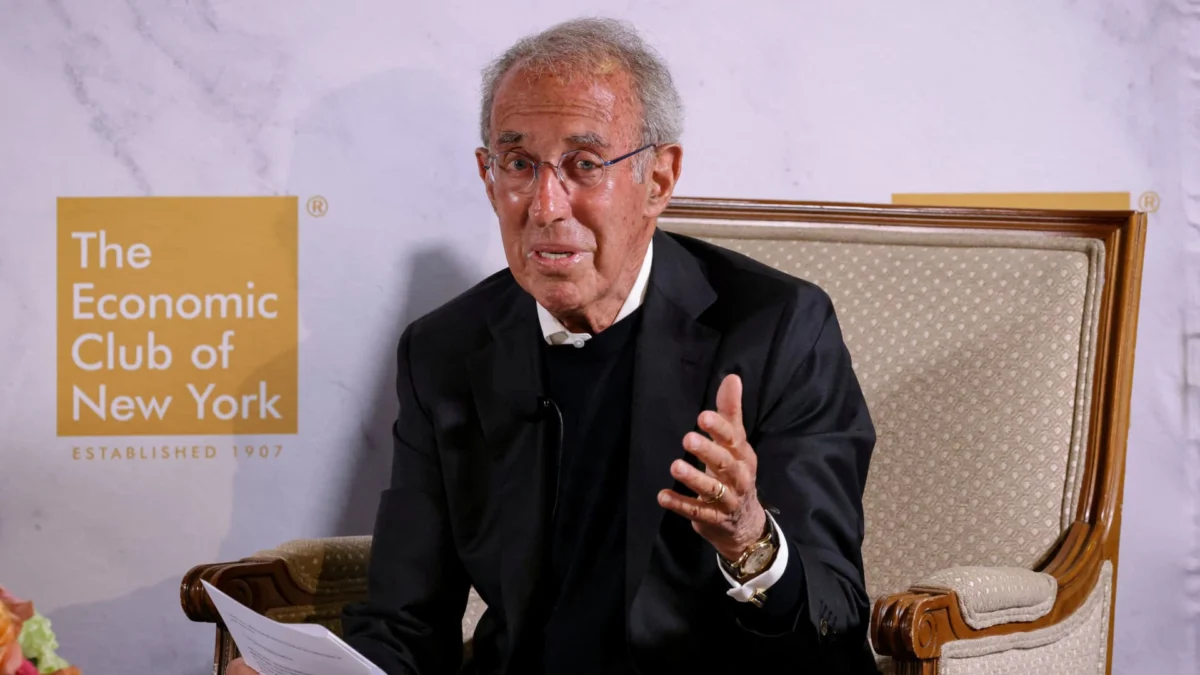
Baron, the founder of Baron Capital, stood in front of a CNBC camera on Monday and said, “I think we’re gonna make hundreds of billions of dollars.” The comment came as the billionaire‑investor sealed a $1 billion purchase of newly‑issued SpaceX shares, pushing his total ownership to roughly $25 billion.
The figure is staggering. SpaceX, now valued at about $125 billion after the IPO, sees Baron owning roughly 20 % of the company. That makes him the single largest private shareholder, ahead of former Google executive John Doerr and the Saudi Public Investment Fund.
What the money means for everyday investors
When a Wall Street veteran backs a space‑flight firm with this kind of conviction, it sends a signal to retail investors. A higher share price can lift mutual‑fund holdings, pension portfolios, and even the price of related ETFs that track commercial aerospace.
Baron’s bet also nudges the broader market’s appetite for deep‑tech IPOs. If SpaceX’s valuation climbs, the ripple effect could lower the cost of capital for startups in satellite broadband, AI‑powered navigation, and lunar‑resource extraction.
Why does this matter?
SpaceX’s launch schedule is already aggressive—over 120 missions slated through 2030. More capital means faster development of Starship, the vehicle that could make Mars colonization a commercial reality. For the average consumer, that could translate into cheaper satellite internet, more frequent space‑tourism flights, and new data‑services that improve everything from weather forecasting to logistics.
Baron’s confidence also highlights a shift in how traditional finance views the space sector: not as a curiosity, but as a cash‑generating engine. “Hundreds of billions” isn’t hyperbole; it reflects projected revenues from Starlink subscriptions, government launch contracts, and commercial payload services.
What happens next?
Investors will watch SpaceX’s quarterly numbers closely. If the company hits its $30 billion revenue target for 2027, Baron’s $25 billion stake could indeed swell to the “hundreds of billions” he predicts.
In the meantime, the market will digest the IPO’s pricing mechanics and how much of the $1 billion purchase came from secondary sales versus primary issuance. Those details will shape the supply dynamics for the next wave of aerospace IPOs.
For now, Baron’s move adds a new chapter to the space‑race saga—one written not in rockets, but in balance sheets. As the launch windows close and the rockets ignite, the financial fallout will be felt far beyond the launch pads.
Stay tuned as analysts break down the long‑term impact of a billionaire’s bet on the final frontier.