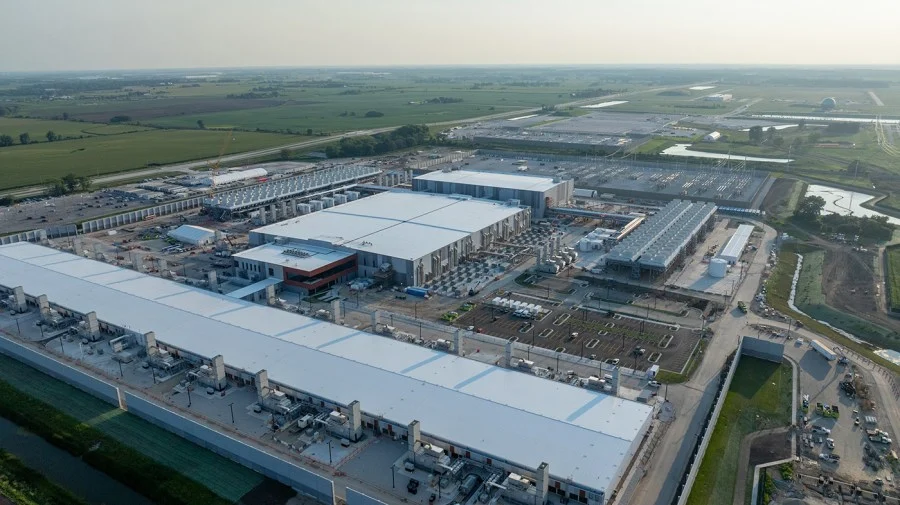
Public pushback against data centers is becoming a pivotal issue in midterm elections, with candidates from both parties scrambling to adopt stricter policies as voters grow increasingly hostile to the facilities. According to Just In News, key swing state races are now seeing candidates distance themselves from the industry while accusing opponents of being too closely aligned with it.
KEY FACTS
- Public opposition to data centers has reached a boiling point in several states.
- Politicians from both parties are distancing themselves from the facilities.
- Candidates in key swing states are endorsing stricter data center policies.
- Opponents are being accused of being too close to the industry.
- Americans are growing increasingly hostile to the rapid expansion of data centers.
Why is this issue gaining traction now?
The pushback against data centers isn’t entirely new, but it has intensified as more communities experience the direct effects of their expansion. Data centers require significant energy, land, and infrastructure, leading to local concerns over environmental impacts, noise, and strain on power grids. With midterms approaching, candidates are responding to vocal voter resistance by adopting tougher stances.
How are candidates responding?
According to the report, candidates are adjusting their platforms to reflect voter concerns, positioning themselves as opponents of unchecked data center growth. Some are proposing stricter zoning laws or imposing environmental regulations, while others are leveraging the issue to attack rivals for perceived industry ties. The dynamic highlights how local controversies can quickly become national political flashpoints.
WHAT WE KNOW — AND WHAT WE DON’T
Verified by the source:
- Public opposition to data centers is escalating in multiple states.
- Candidates are refining their stances to address voter hostility.
- Industry relationships are being used as political leverage.
Still unconfirmed:
- Which specific states or districts are seeing the strongest pushback.
- Whether any legislative measures will materialize before elections.
- How much influence the industry actually holds over politicians.
WHY IT MATTERS
Data centers are critical to the digital economy, but their growth increasingly conflicts with local interests. The political scramble reflects a broader tension between economic development and community concerns—a theme likely to recur as tech infrastructure expands nationwide. For political candidates, navigating this issue could prove decisive in tight races.
WHAT TO WATCH
As midterm campaigns intensify, further clarity may emerge on which candidates will adopt the strongest anti-data-center rhetoric—and whether their positions translate into legislative action. For more on political shifts affecting tech, see our politics coverage.