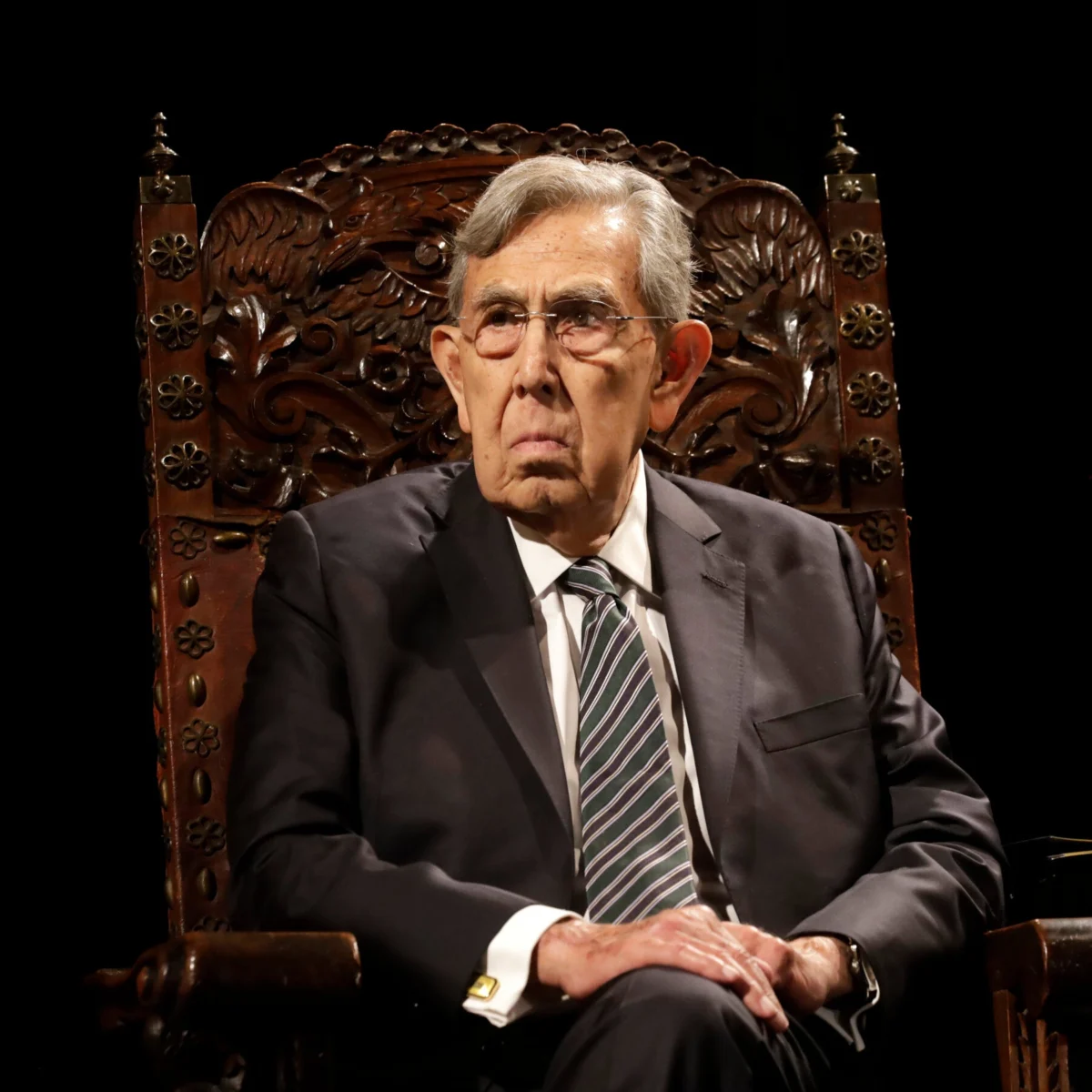
Cuauhtémoc Cárdenas, a former Mexican presidential candidate whose 1988 campaign galvanized opposition to the long-ruling Institutional Revolutionary Party, died at 92. His passing marks the loss of a central figure in Mexico’s democratic transformation during the late 20th century.
Cárdenas never won the presidency himself, but his political career reshaped the country’s one-party system and opened space for competitive elections. As the son of presidential figure Lázaro Cárdenas, he carried both legacy and reformist ambition into public life.
Key Facts
- Cuauhtémoc Cárdenas died at 92.
- He was the only son of a Mexican president.
- He never won the presidency but led democratic change efforts.
- He became a leading figure in Mexico’s democratic transformation.
Who Is Affected by This Loss?
The death of Cuauhtémoc Cárdenas affects generations of Mexicans who lived through the country’s transition from authoritarian rule to multi-party democracy. His influence extended beyond his own electoral campaigns; he helped institutionalize opposition voices during a period when such activity carried real political risk. Observers of Latin American politics will note how his coalition-building efforts prefigured broader waves of democratic movement across the region in the 1990s and 2000s.
For younger voters and scholars studying democratization, Cárdenas remains a symbol of principled resistance to entrenched power. His legacy lives on in the structures of free elections and independent media now common in Mexico. Political historians often cite his role in shaping the modern political landscape.
Academics and policymakers continue to reference his work when analyzing transitions from dominant-party systems. His story offers lessons for nations still navigating paths toward fair governance and peaceful transfers of power.
How Did We Get Here?
Cuauhtémoc Cárdenas entered politics amid growing dissatisfaction with the Institutional Revolutionary Party’s decades-long hold on power. His decision to run as an opposition candidate disrupted norms and challenged state-controlled narratives around elections. While official results were contested, his campaign sparked mass civic engagement and broadened public discourse about transparency and representation.
His efforts laid groundwork for future reforms enabling greater electoral integrity and pluralism in Mexican democracy. By championing civic participation and peaceful dissent, he modeled behaviors essential to any functioning democracy. His impact reached far beyond personal ambition—it influenced constitutional debates and strengthened civil society organizations across the nation.
Even after stepping back from frontline politics, Cárdenas remained active in advocating for indigenous rights and environmental stewardship. These causes reflected deeper commitments rooted in Mexico’s complex history of inequality and land reform—a thread connecting past struggles with ongoing demands for justice today.
What We Know — and What We Don’t
Verified by the source:
<n
- Cuauhtémoc Cárdenas died at age 92.
- He was the only son of a Mexican president.
- He never won the presidency.
- He became a leading figure in Mexico’s democratic transformation.
Still unconfirmed:
- Exact date and place of death.
- Immediate cause of death.
- Specific details about funeral arrangements or memorials.
Why It Matters
Cuauhtémoc Cárdenas embodied one of Latin America’s most significant shifts from single-party dominance to participatory democracy. His life reflects how individual acts of defiance can ripple outward into systemic change, inspiring citizens and leaders alike to demand accountability and inclusion.
What To Watch
Reactions from current Mexican politicians and international observers may offer insight into how his legacy continues to shape policy discussions. Meanwhile, archival projects documenting his speeches and writings could provide new material for researchers studying global democratization movements.
Cuauhtémoc Cárdenas, a key figure in Mexico’s shift from one-party rule, has died at 92; he never became president but transformed the nation’s democracy. Explore more in our war-geopolitics coverage.