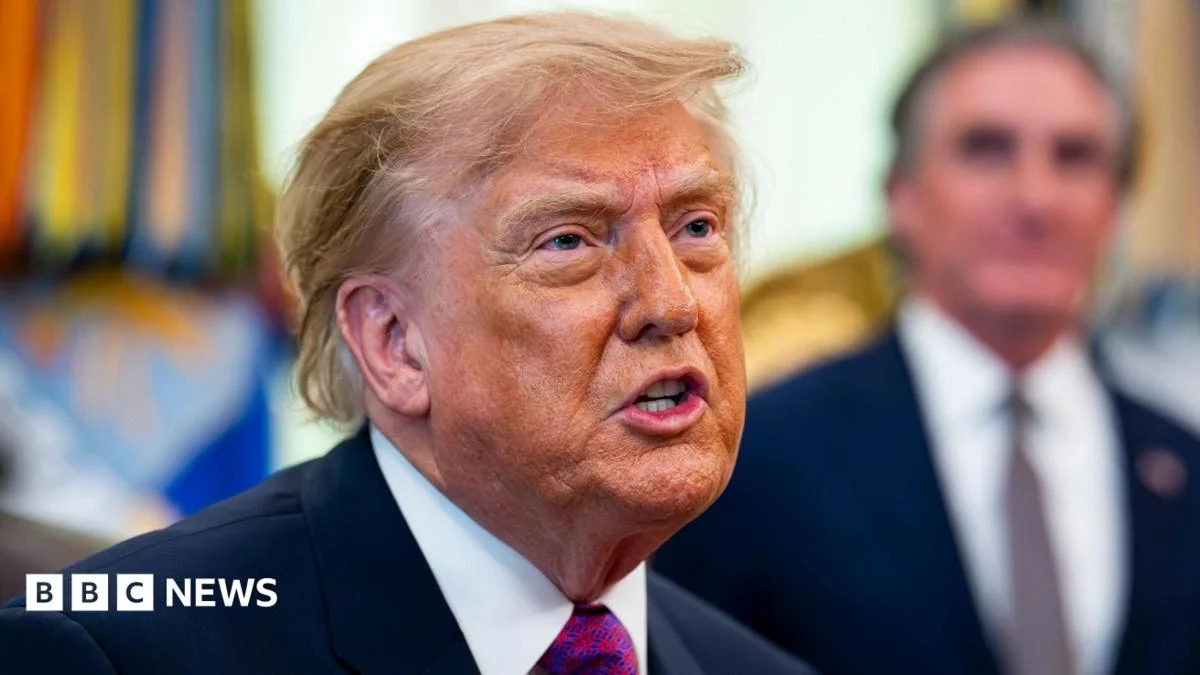
Major U.S. news outlets are taking legal action against a media access restriction that bars certain journalists from White House coverage. CNN, MSNBC, and Politico have filed a lawsuit challenging the limitations imposed by the Trump administration. The move follows a broader trend of suspended White House television coverage as the president travels for the United Nations General Assembly in New York.
The legal filing escalates a growing conflict between news organizations and the White House over press access. The suspended coverage affects how networks report live events from the nation’s capital, particularly when the president is abroad for international diplomacy. Legal experts note such lawsuits often turn on First Amendment protections for the press, though courts have historically granted broad deference to the White House on internal operational matters. How this dispute unfolds could set precedent for future media access policies across administrations.
Key Facts
- CNN, MSNBC, and Politico filed a lawsuit against Trump’s White House media access ban.
- Major U.S. networks suspended White House TV coverage of Trump.
- Trump traveled to New York for the UN General Assembly summit.
Why Access Matters
Restrictions on White House media access directly impact which outlets can report live from official events. When access is limited or withdrawn, networks must rely on pool feeds or delayed summaries, which affects how viewers receive real-time information about presidential activities. This is especially relevant during international appearances like the UN General Assembly, where foreign policy announcements may shape public understanding of U.S. diplomacy. News organizations argue that open access supports transparency and accountability in democratic governance.
What Happens Next?
The lawsuit introduces a legal dimension to ongoing tensions between the press and the White House. Courts will review whether the access restrictions violate constitutional rights guaranteed to journalists. While injunctions are possible, they are rare in cases involving internal White House operations. Meanwhile, Trump’s departure to New York adds urgency to resolving coverage logistics during his overseas trip. Outcomes could influence standard practices for media engagement during future international summits.
What We Know — and What We Don’
Verified by the source:
- CNN, MSNBC, and Politico initiated legal action over White House access.
- Networks suspended live White House TV coverage of Trump.
- Trump attended the UN summit in New York following the ban.
Still unconfirmed:
- Exact grounds cited in the lawsuit filing.
- White House or network spokesperson responses.
- Timeline or court jurisdiction handling the case.
Why It Matters
Free press protections under the First Amendment remain central to American democracy. Disputes over White House media access test the balance between institutional security and public transparency. When outlets lose direct access, audiences depend more heavily on filtered reporting, reducing diversity in information sources. These developments resonate beyond politics, touching core principles of press freedom that affect how citizens stay informed nationwide. See more coverage in our politics section.</
What To Watch
Legal proceedings around the lawsuit are expected to proceed through federal court filings. Officials have yet to publicly respond to the complaint, and further clarity on the White House’s stance remains pending. Related updates on media access policies may emerge during the ongoing UN General Assembly sessions.