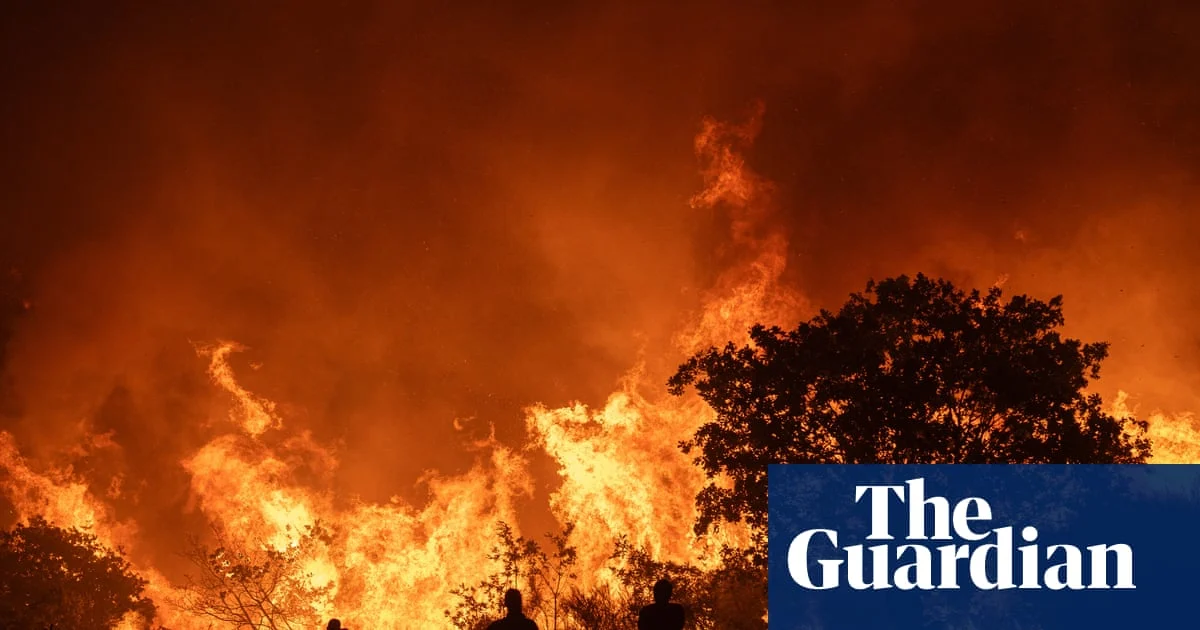
Direct experience with a recent climate event has led some people to reconsider their stance on the climate crisis. The Guardian explores how personal encounters with global climactic events are influencing public perception.
These experiences range from losing homes and possessions in wildfires to witnessing the effects of glacial retreat and snow scarcity on mountain businesses. For some, firsthand exposure to these impacts has shifted long-held skepticism or denial about the broader climate emergency.
Key Facts
- Personal experience with climate events has changed minds about the climate crisis.
- Losses include homes and possessions from wildfires.
- Mountain businesses have been affected by glacial retreat and snow scarcity.
- Some individuals were previously skeptical or denied the climate crisis.
The Story
How Did We Get Here?
Across various regions, extreme weather patterns linked to the climate crisis are becoming more frequent and severe. These events are no longer distant threats—they are unfolding in real time, affecting lives and livelihoods directly. From raging wildfires that consume entire neighborhoods to shrinking glaciers that disrupt water supplies and tourism-dependent economies, the tangible effects of a warming planet are impossible to ignore.
For those who have lived through such events, abstract discussions about rising temperatures and sea levels take on new urgency. The emotional weight of displacement, economic loss, or environmental degradation often serves as a catalyst for changing perspectives. What was once seen as a distant or exaggerated concern becomes a lived reality.
What Happens Next?
As more people experience the direct consequences of the climate crisis, public awareness and concern are likely to grow. This shift in perception may influence voter behavior, consumer choices, and policy priorities. However, the transition from personal realization to collective action remains complex, shaped by political beliefs, economic interests, and cultural attitudes.
The role of media coverage in amplifying these personal stories cannot be understated. When outlets like The Guardian share accounts of individuals changing their views after climate-related events, it contributes to a broader dialogue about the urgency of the crisis. These narratives help bridge the gap between scientific data and public understanding.
What We Know — and What We Don’t
Verified by the source:
- Some people lost their homes or possessions in wildfires.
- Mountain businesses have been affected by glacial retreat and snow scarcity.
- Some individuals were previously skeptical or denied the climate crisis.
- Climate events have changed how some people now view the climate crisis.
Still unconfirmed:
- Specific locations where these events occurred.
- The exact number of people affected.
- Long-term behavioral changes following these experiences.
- Broader societal or policy impacts of shifted public opinion.
Why It Matters
When individuals witness the realities of the climate crisis firsthand, it can transform abstract concerns into personal motivation for change. This growing awareness has the potential to drive demand for stronger climate policies and sustainable practices across industries.
What To Watch
Future coverage may reveal how sustained exposure to climate events continues to influence public discourse and decision-making on environmental issues.