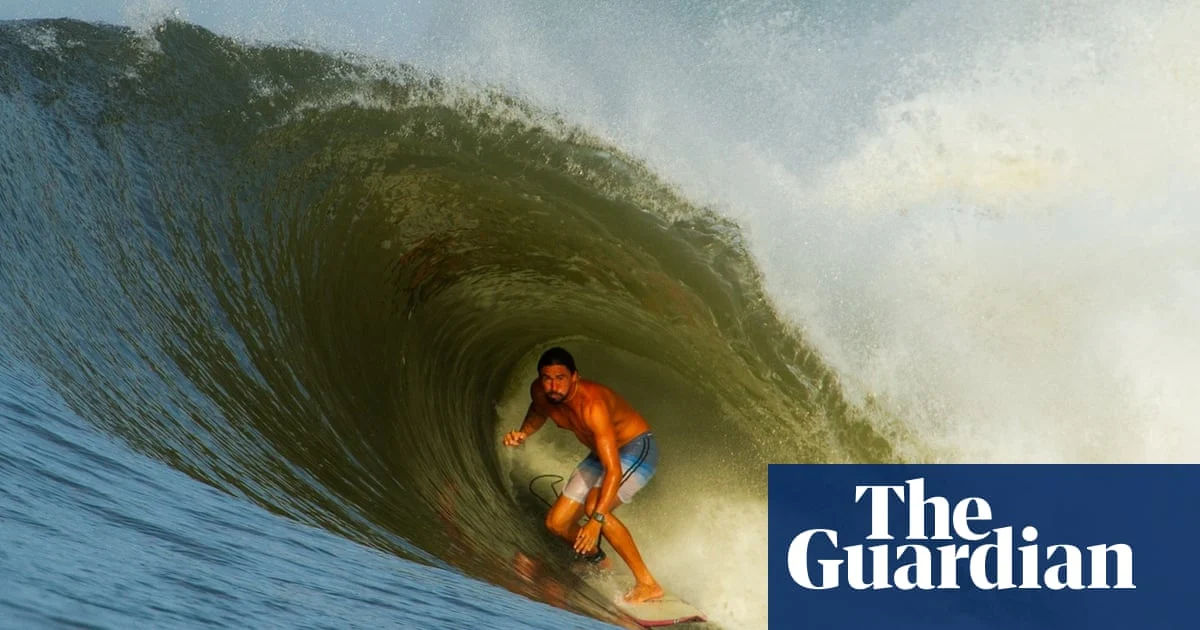
Climate change is putting many of the world’s best surf breaks at risk of being submerged or crushed, according to a new study. More than three-quarters of famous waves in World Surfing Reserves face threats from rising tide levels, shifting sands, and hardened shorelines. The analysis focuses on locations already protected for their surfing value, suggesting that even designated areas are vulnerable to long-term environmental changes. These risks affect not only surfers but also coastal communities that depend on surf tourism and ecosystem health.
The threats come from multiple directions. Rising sea levels can submerge breaks entirely, while hardening structures like sea walls alter wave shape and sand movement. Sediment shifts change surf conditions year by year. Together these forces undermine the natural systems that create iconic waves, raising concerns about whether future generations will experience the same world-class surf spots described in this study.
Key Facts
- Climate crisis threatens many of the world’s best surf breaks, WSR study warns.
- Changing tide levels, shifting sands and hardened shorelines put waves at risk.
- More than three-quarters of famous waves in WSR sites are at high risk.
- Sea level rise may submerge some breaks; others may be crushed against coastal development.
- Impacts go beyond surfers, affecting coastal tourism and ecosystems.
How did we get here?
World Surfing Reserves identifies and protects globally significant surf breaks, yet the study analyzed dozens of these sites and found widespread vulnerability. The research draws attention to the intersection of climate science and recreation-based conservation. As sea levels rise and coastlines develop, natural surf zones face unprecedented pressure. Previous coastal management often prioritized hard infrastructure over ecological adaptation, contributing to the breakdown of wave-forming conditions. This historical approach now shows measurable consequences for surf breaks once considered stable.
Shifting sands play a central role. Sandbars and reefs that shape waves evolve slowly under natural conditions, but accelerated sea level rise and altered sediment flow disrupt these patterns. Coastal armoring, built to protect property from storms, reflects wave energy differently and can destroy the very features surfers prize. The study suggests these combined pressures act faster than many surf communities realized, requiring updated protection frameworks.
Who is affected?
While surfers notice changes firsthand, the consequences ripple outward. Coastal towns around famous breaks often depend on surf tourism for income, linking wave health directly to local employment. Ecosystems tied to healthy surf zones, such as reef and dune systems, also face indirect stress as wave dynamics shift. Researchers involved in the study noted that risk levels varied by break type and location, but none were completely immune. Some sites may adapt naturally, while others will disappear entirely within decades if current trends continue.
Community leaders, scientists, and surf organizations are beginning to collaborate on climate adaptation plans. These efforts include monitoring programs to track how individual breaks respond to changing tides and storms. Conservation strategies now consider relocating protections rather than building seawalls, reflecting lessons learned from sites already damaged by rigid infrastructure. The study did not specify timelines or exact locations, focusing instead on systemic patterns across protected surf zones worldwide.
What happens next?
Future surf break preservation depends on whether coastal policies adjust quickly enough to account for rising seas and dynamic shorelines. Scientists say continued observation and flexible management will determine whether vulnerable breaks can survive. Without coordinated adaptation efforts, several globally recognized surf spots may be altered beyond recognition over the coming decades.
What We Know — and What We Don’t
Verified by the source:
- Climate change threatens surf breaks through rising seas and coastal development.
- Changing tide levels, shifting sands, and hardened shorelines impact wave quality.
- A study analyzed surf breaks inside World Surfing Reserves sites.
- Over three-quarters of examined famous waves were rated at high risk.
Still unconfirmed:
- Exact number of surf breaks studied in the research.
- Precise geographic locations identified as most vulnerable.
- Timeline projections for when high-risk breaks may disappear.
- Author identities and institutional affiliations behind the study.
Why It Matters
The fate of surf breaks connects climate science to culture, recreation, and livelihoods worldwide. Protecting these zones requires coastal planning that recognizes their ecological and economic value long before they vanish beneath rising waves.
What To Watch
Additional data collection at vulnerable sites may clarify how quickly conditions are changing and whether adaptation measures can keep pace. The study did not outline a schedule for follow-up research or publication of detailed results.