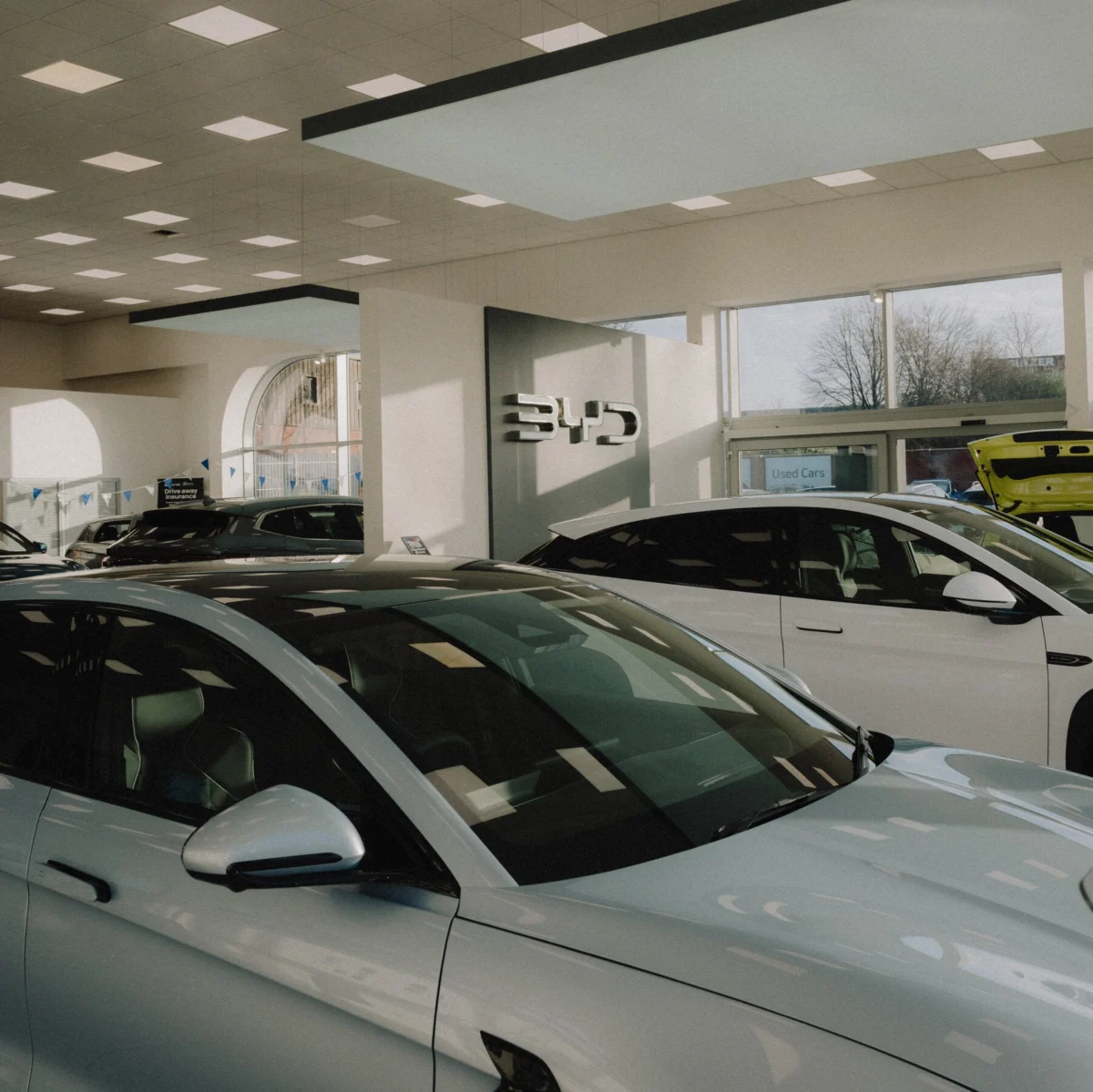
European consumers are showing growing interest in purchasing Chinese-made vehicles, drawn by their lower cost, even as policymakers across the continent seek to slow their expansion.
This tension reflects a broader split: demand is rising while political resistance builds, creating an uncertain outlook for Chinese automakers in Europe.
KEY FACTS:
- Consumers across Europe increasingly want to buy low-cost Chinese vehicles.
- Policymakers are seeking to slow the growth of Chinese vehicles.
How did we get here?
Chinese automakers have been expanding their presence in Europe by offering vehicles at competitive price points, attracting budget-conscious buyers. Meanwhile, European policymakers have grown cautious, citing concerns about market balance and local industry impact.
Who is affected?
Both European consumers and domestic automakers are feeling the effects. Buyers gain access to more affordable options, while established European carmakers face new competition from well-priced Chinese brands entering the market.
What happens next?
The push and pull between consumer demand and regulatory action is likely to intensify. If policymakers implement stricter measures, Chinese vehicle sales could face new barriers, potentially reshaping the European auto market landscape.
What We Know — and What We Dont:
Verified by the source:
- Consumers across Europe increasingly want to buy low-cost Chinese vehicles.
- Policymakers are seeking to slow their growth.
Still unconfirmed:
- Specific models or brands driving the trend.
- Exact policy measures being considered.
- Timeline or scope of potential regulatory actions.
Why It Matters
The shift in European consumer preferences toward Chinese cars underscores broader economic tensions between affordability and industrial protection, influencing both trade dynamics and domestic manufacturing strategies.
What To Watch
Further policy developments and official responses will determine how quickly and widely Chinese vehicles can expand in the European market.