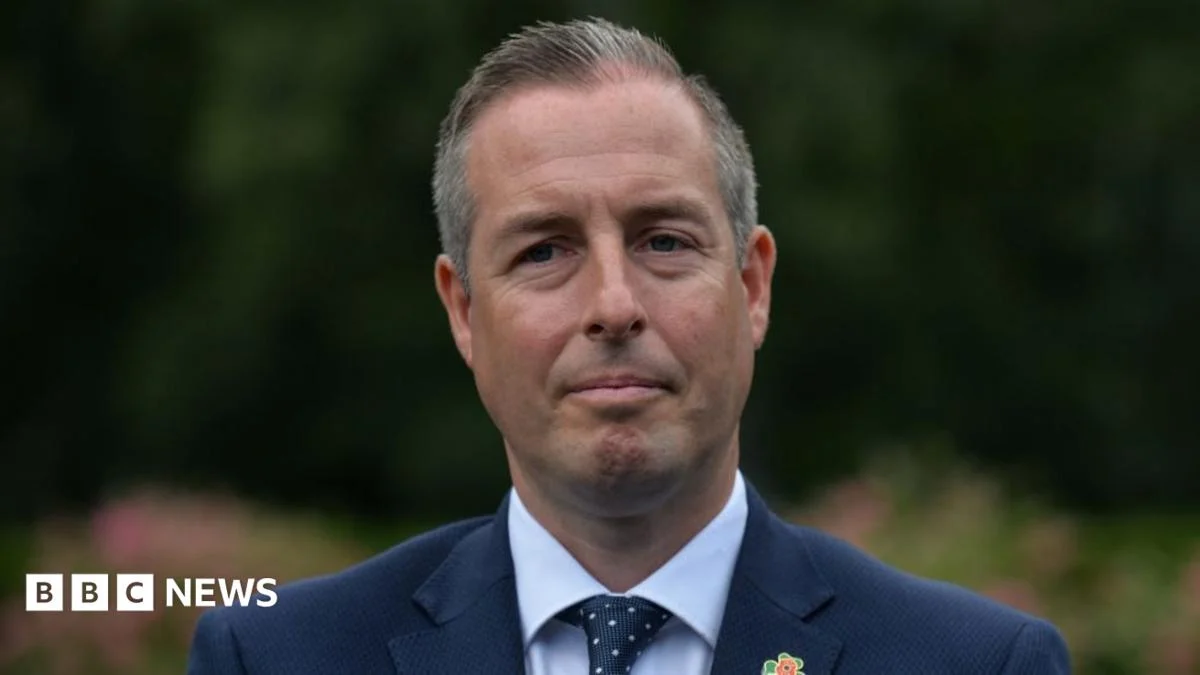
Campaigners claim the education minister is attempting to undermine the Holiday Hunger Bill, following a warning that the proposed legislation would immediately cost his department £20m a year while it struggles to balance its budget.
The dispute centers on the financial impact of expanding free meal provision during school holidays, which campaigners argue is necessary to address child poverty. The education minister, however, has emphasized budget constraints as a key concern.
Key Facts
- Campaigners claim the education minister is attempting to undermine the Holiday Hunger Bill.
- The education minister warned the Holiday Hunger Bill would immediately cost his department £20m a year.
- The department is already struggling to balance its budget.
- The Holiday Hunger Bill relates to providing meals during school holidays.
- BBC News reported the campaigners’ claims and the minister’s financial warning.
What Happens Next?
It remains unclear whether the Holiday Hunger Bill will proceed in its current form or be revised in response to the education minister’s stated financial concerns. Campaigners are expected to continue advocating for the bill, while the government weighs budget implications against policy priorities.
Parliamentary procedure allows for further debate and potential amendments to the Holiday Hunger Bill before it becomes law. Stakeholders, including local councils and education advocates, are likely to monitor developments closely.
Who Is Affected
Families relying on free school meals during term time would be the primary beneficiaries of the Holiday Hunger Bill, according to campaigners. These households often face increased food insecurity when schools are closed for holidays.
Local authorities may also be impacted if the bill requires new administrative or logistical arrangements to distribute meals during holiday periods. The education department’s budget constraints suggest broader financial pressures within the public sector.
How Did We Get Here?
The Holiday Hunger Bill emerged from ongoing discussions about child poverty and access to nutritious food outside of term time. Campaign groups have long pushed for expanded meal programs, citing evidence of food insecurity among children during school breaks.
The education minister’s recent statement reflects a common tension in UK policymaking: balancing social benefits with fiscal responsibility. The £20m cost estimate, if accurate, underscores the financial challenges facing departments already under strain from competing demands.
What We Know — and What We Don’t
Verified by the source:
- Campaigners claim the minister is attempting to undermine the Holiday Hunger Bill.
- The minister warned the bill would cost £20m annually.
- The department is struggling to balance its budget.
- BBC News reported these claims.
Still unconfirmed:
- The identity of the specific education minister making the statement.
- Whether the £20m figure has been independently verified.
- Exact timelines for parliamentary consideration of the bill.
- Detailed responses from the government or other officials.
Why It Matters
The debate over the Holiday Hunger Bill reflects a broader national conversation about how public funds are allocated to support vulnerable families. With child poverty rates remaining high, the proposed legislation represents both an opportunity and a challenge for policymakers trying to fulfill electoral promises while managing tight budgets.
For families dependent on free meals, the outcome of this dispute could have direct consequences on their daily lives. Meanwhile, the government’s financial stance signals ongoing constraints that may limit the scope of social interventions.
What To Watch
Further parliamentary debate on the Holiday Hunger Bill is expected, though no specific dates have been announced. Updates from the education department or additional commentary from campaigners could shape the trajectory of the legislation.
Related coverage from the economy and markets and politics categories may provide additional context as this story develops.