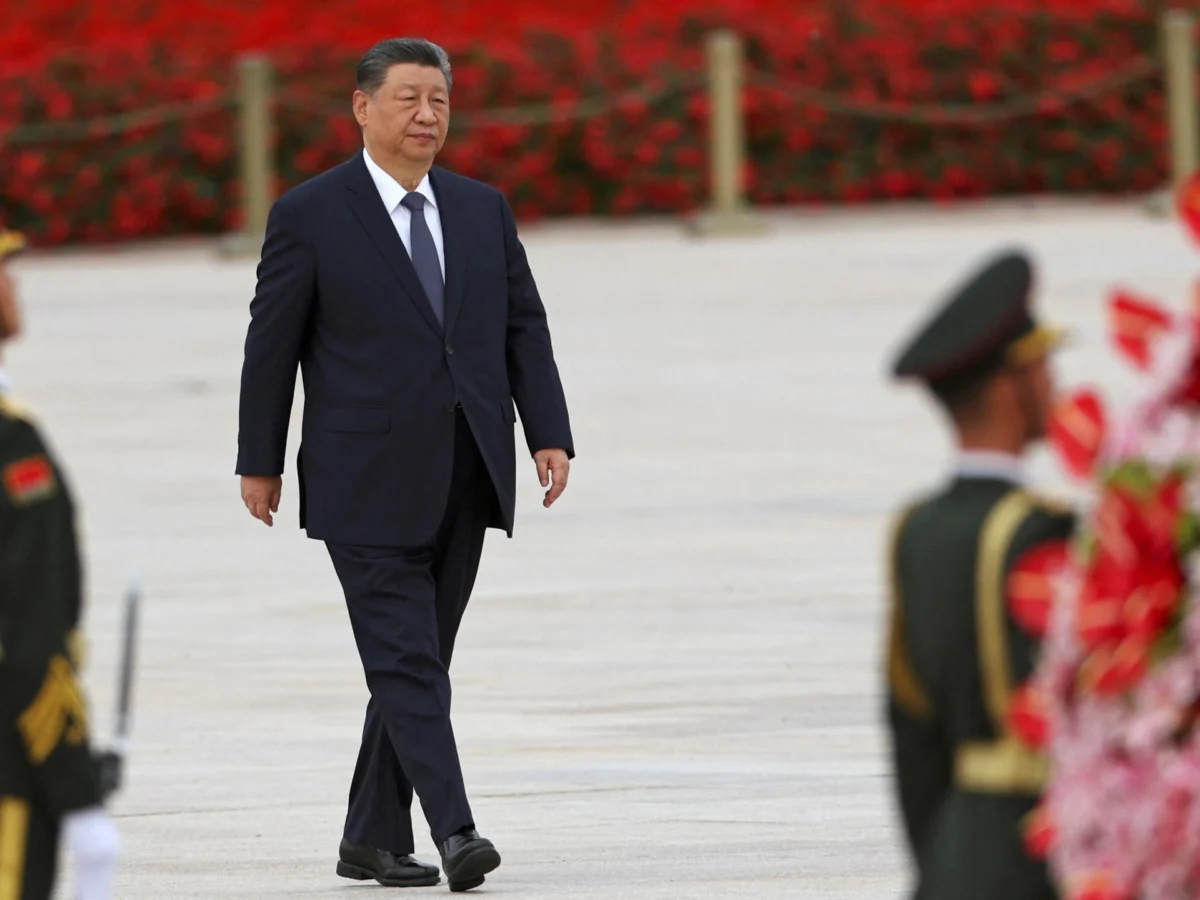
China’s political elite are meeting for a four-day session centered on Communist Party discipline, a gathering being closely watched for signals about the nation’s direction and future leadership. The meeting, which focuses on internal party governance and discipline mechanisms, is taking place without public comment from officials. Its outcomes could influence policy priorities and personnel decisions within the party structure.
Key Facts
- China’s political elite gathered for talks on Communist Party discipline.
- The meeting spans four days.
- It is being watched closely for clues about China’s direction and future leadership.
Why This Four-Day Meeting Matters
The Communist Party discipline discussions are part of a broader pattern of internal governance reviews that typically precede major policy shifts or leadership transitions. While the source does not name specific attendees or agenda items, such gatherings historically involve high-ranking officials responsible for enforcement of party rules, anti-corruption efforts, and ideological alignment. These sessions often serve as preparatory ground for later plenary sessions or national congresses where key decisions are ratified. The emphasis on discipline suggests a continued focus on centralized control and adherence to party directives, themes that have defined recent years of governance. Analysts note that changes in disciplinary language or personnel can indicate evolving power dynamics within the top ranks of the Communist Party.
What Happens Next?
Following the conclusion of the four-day talks, official statements or summaries may be released through state media channels, though the timing and detail level remain unknown. Observers will look for shifts in rhetoric around reform, stability, or anti-corruption campaigns. Any adjustments to party regulations or disciplinary procedures could signal upcoming policy emphases. The meeting’s impact on future leadership appointments may not become clear until subsequent announcements. Meanwhile, international stakeholders continue monitoring for implications on trade, diplomacy, and regional policy under the banner of Communist Party discipline.
Background on Party Discipline Mechanisms
Internal discipline within the Communist Party operates through bodies such as the Central Commission for Discipline Inspection, which investigates violations ranging from corruption to disloyalty. These processes play a central role in maintaining hierarchical order and enforcing ideological conformity among members. Periodic discipline-focused meetings allow leadership to recalibrate enforcement standards and reassign oversight roles. Though conducted behind closed doors, their outcomes shape public-facing policies on governance, economic planning, and social management. Past iterations of similar gatherings have preceded significant institutional reforms, suggesting that current deliberations hold long-term importance.
What We Know — and What We Don’t
Verified by the source:
- Political elites met for four days to discuss Communist Party discipline.
- The meeting is under close observation for indications of China’s direction and future leadership.
Still unconfirmed:
- The identities of those attending the meeting.
- Specific topics or resolutions addressed during the talks.
- Timing or content of any official follow-up statements.
- Immediate policy or personnel impacts resulting from the session.
Why It Matters
This gathering reflects the ongoing emphasis on internal cohesion and disciplined governance within one of the world’s most influential political systems. Decisions made behind closed doors in these types of forums often set the stage for national strategies affecting economics, foreign relations, and domestic stability. For global readers and markets, insights gleaned from Communist Party discipline discussions can offer limited but meaningful glimpses into potential shifts in direction. As China maintains its central role in international affairs, understanding how its leadership structures function becomes increasingly important.
What To Watch
Stakeholders should watch for any official summaries or announcements following the four-day meeting, particularly those detailing changes to party regulations or leadership assignments. Such disclosures would clarify whether the Communist Party discipline talks led to actionable policy developments.