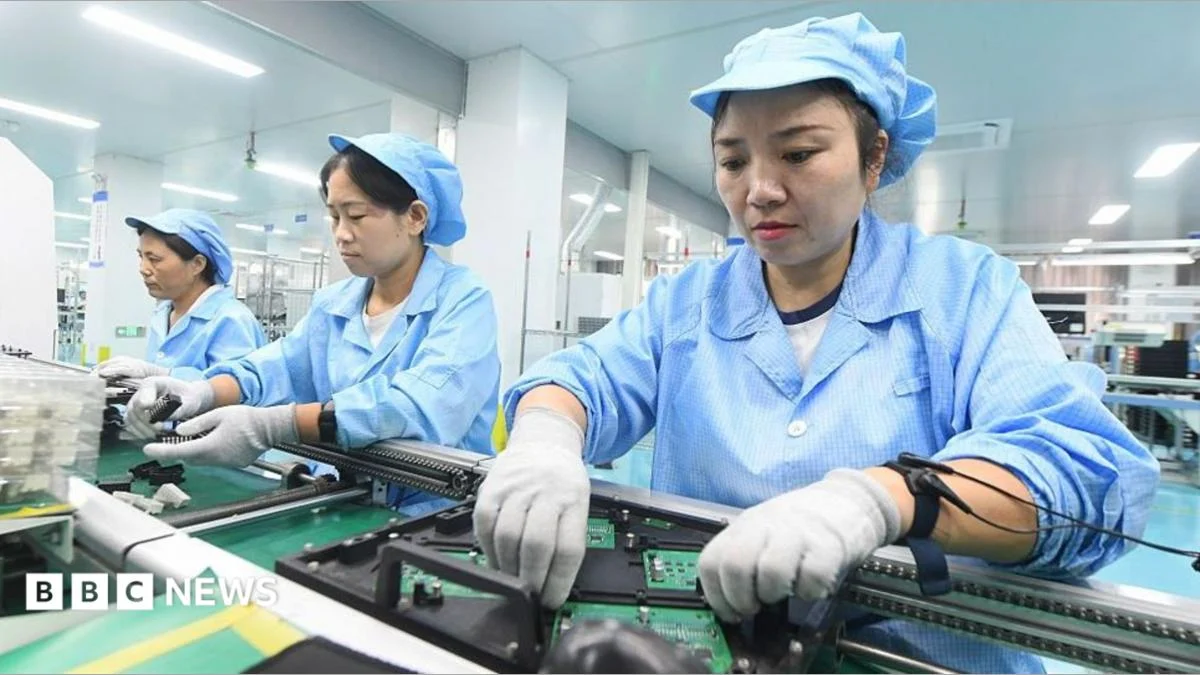
China’s economic growth has accelerated, driven in part by a surge in exports linked to the AI export boom. Exports have helped offset weak spending at home, but trade tensions and AI doubts cloud its outlook.
The AI export boom appears to have provided a notable tailwind for Chinese manufacturers and technology firms, helping to sustain momentum even as internal demand remains subdued. However, the durability of this export-driven lift is uncertain, given evolving global trade dynamics and lingering questions around artificial intelligence regulations and market access.
Key Facts
- China’s growth has accelerated, supported by an AI export boom.
- Exports have offset weak domestic spending.
- Trade tensions pose risks to the outlook.
- Doubt around AI markets clouds future expectations.
What Drives China’s Export Strength?
Amid softer consumer activity within China, overseas demand has become a critical component of national economic performance. The AI export boom has contributed meaningfully to shipment volumes, particularly in sectors tied to machine learning hardware, software services, and computing infrastructure. Analysts note that while export data reflects current momentum, it does not necessarily indicate long-term stability, especially if protectionist measures intensify or supply chain adjustments occur abroad.
Still, recent trends suggest that Chinese firms remain competitive in global markets despite broader headwinds. The interplay between technological innovation and geopolitical strategy continues to shape how export performance translates into broader macroeconomic indicators such as GDP and industrial output.
Who Is Affected by These Trends?
Domestically, manufacturers and tech companies benefitting from increased foreign orders are likely seeing improved profitability and production levels. Workers in export-oriented industries may experience stronger labor market conditions, at least temporarily. On the other hand, consumers within China face persistent sluggishness in wage growth and service sector activity, limiting their ability to drive further domestic demand.
Internationally, trading partners absorbing Chinese exports—including those involved in AI-related technologies—are simultaneously navigating shifts in supply chains and regulatory environments. Countries concerned about national security implications of certain AI technologies may reconsider procurement policies, potentially impacting future sales.
What Happens Next?
Looking ahead, the trajectory of China’s growth will depend heavily on whether the AI export boom can maintain its pace amid shifting global trade relationships. Investors and policymakers alike are watching for signs of policy responses aimed at stabilizing domestic consumption, as well as signals from major economies regarding tariffs, technology restrictions, or diplomatic engagement. Without clearer guidance, forecasting near-term outcomes remains challenging.
What We Know — and What We Don’t
Verified by the source:
- China’s economic growth has accelerated recently.
- Exports have helped counterbalance weak domestic spending.
- Trade tensions are cited as a risk factor affecting outlook.
- Uncertainty surrounding AI markets contributes to cautious expectations.
Still unconfirmed:
- No specific GDP figures or timeframes are provided.
- No official statements or named sources are quoted.
- Details about which AI-related products dominate exports are missing.
- Impact on employment or regional economies is unspecified.
Why It Matters
This development underscores how global economic shifts continue to influence China’s performance, highlighting reliance on external markets during periods of domestic softness. For international observers, understanding these patterns helps frame discussions around trade policy, technology competition, and financial planning across sectors exposed to fluctuating demand cycles.
What To Watch
Future indicators such as quarterly export reports, trade balance updates, and any announcements related to AI governance frameworks could clarify whether current momentum persists. Meanwhile, ongoing negotiations between China and its trading partners may determine whether existing friction points ease or escalate.