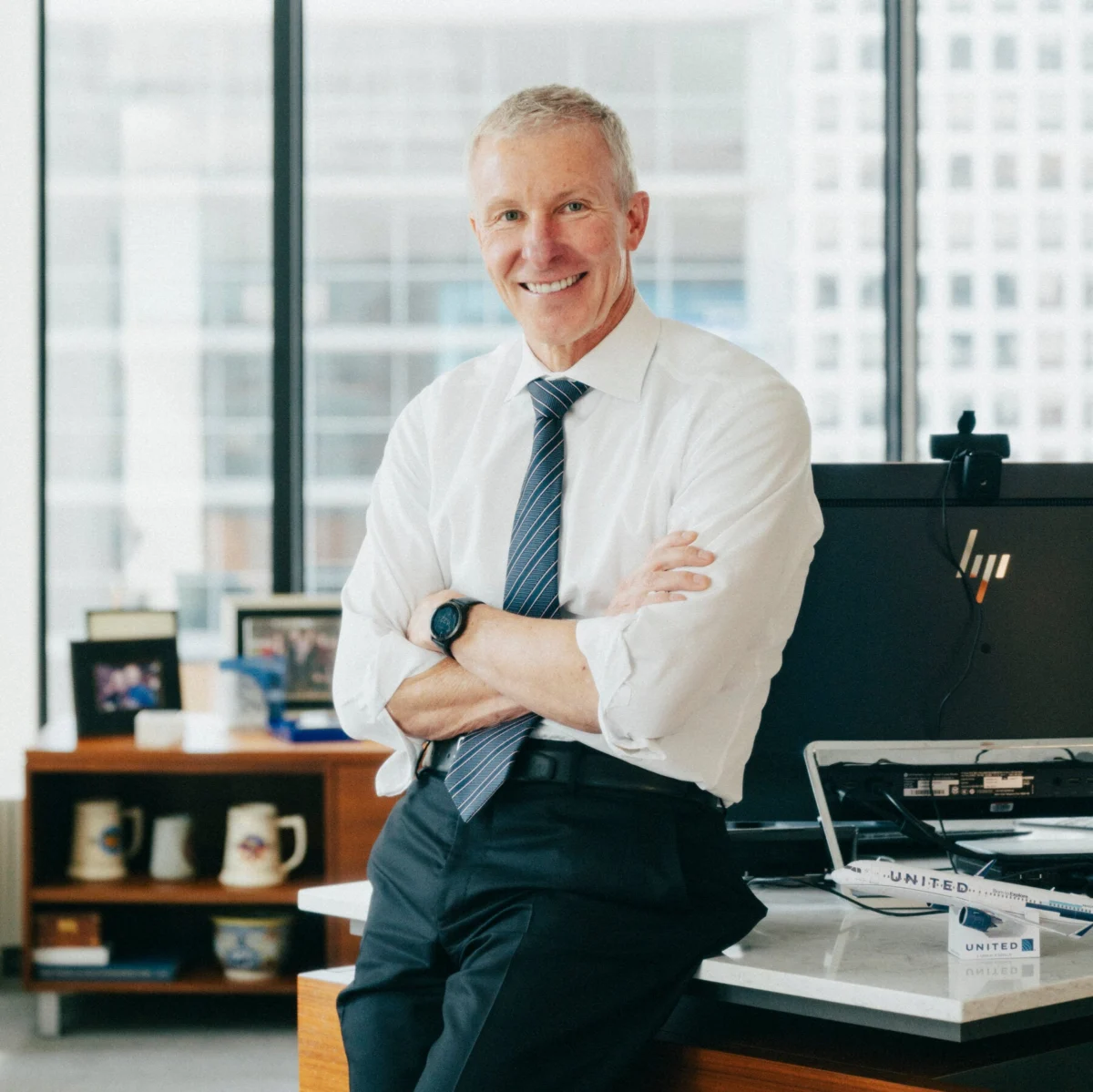
Lede paragraph: United Airlines CEO Scott Kirby stated that charging more for window and aisle seats helps offset the cost of filling middle seats, which are harder to sell. He also noted that flying is expensive and airfares may have further to rise. His remarks reflect ongoing pressures in the airline industry as carriers seek to balance profitability with consumer demand. Kirby’s comments come as airlines adjust pricing strategies amid fluctuating fuel costs and labor expenses.
KEY FACTS
- Scott Kirby, CEO of United Airlines, spoke about seat pricing.
- He said it should cost more not to sit in the middle seat.
- Kirby stated that it’s expensive to fly airplanes.
- He suggested airfares may have further to rise.
- The source is NYT > Business.
The Story
What happens next?
Kirby’s remarks suggest United may continue adjusting its pricing structure to better reflect demand for preferred seating options. Airlines typically charge premiums for window and aisle seats while offering discounted fares for middle seats to fill capacity. This strategy allows carriers to maximize revenue per flight while managing customer expectations around comfort. As operational costs rise, companies like United face increasing pressure to recover expenses through smarter pricing models.
Who is affected?
Passengers booking flights on United Airlines are likely to see shifts in ticket prices based on seat selection. Travelers who prefer specific seats — such as those by the window or aisle — may pay additional fees or higher base fares compared to those willing to take middle seats. Business travelers and frequent flyers often opt for flexibility, meaning they could bear a larger share of price increases linked to seat preferences and overall fare adjustments.
How did we get here?
Airlines have long used dynamic pricing to manage inventory and optimize revenue. The practice evolved significantly after deregulation in the late 1970s, allowing carriers to set fares independently rather than rely on government-controlled rates. Today, advanced algorithms help airlines predict demand and adjust prices accordingly. Rising fuel costs, staffing challenges, and post-pandemic recovery efforts have intensified the need for precise pricing tactics aimed at sustaining margins amid economic uncertainty.
WHAT WE KNOW — AND WHAT WE DON’T
Verified by the source:
- Scott Kirby serves as CEO of United Airlines.
- He commented on the cost associated with middle seats.
- He acknowledged that flying airplanes incurs high expenses.
- He indicated that airfares might increase further.
- The article was published by NYT > Business.
Still unconfirmed:
- No direct quote from Kirby was provided beyond a general summary.
- It remains unclear how United plans to implement these pricing changes.
- The timeline or extent of potential fare hikes is not specified.
- No data or figures supporting the claim about rising costs were included.
- Reactions from other airlines or regulators are absent.
WHY IT MATTERS
This story matters because airline pricing directly impacts millions of travelers worldwide. As fuel prices fluctuate and labor markets tighten, passengers may notice steeper differences between standard and preferred seating options. Understanding how airlines justify fare increases helps consumers make informed decisions when purchasing tickets, especially during periods of inflation and travel resurgence following global disruptions.
WHAT TO WATCH
Future statements from United or other major airlines regarding seat-based pricing policies will clarify whether this trend becomes industry-wide. Investors tracking [economy-markets] and analysts monitoring [trading-crypto] sectors should watch for quarterly earnings calls where executives may elaborate on revenue management strategies involving middle seat pricing adjustments.