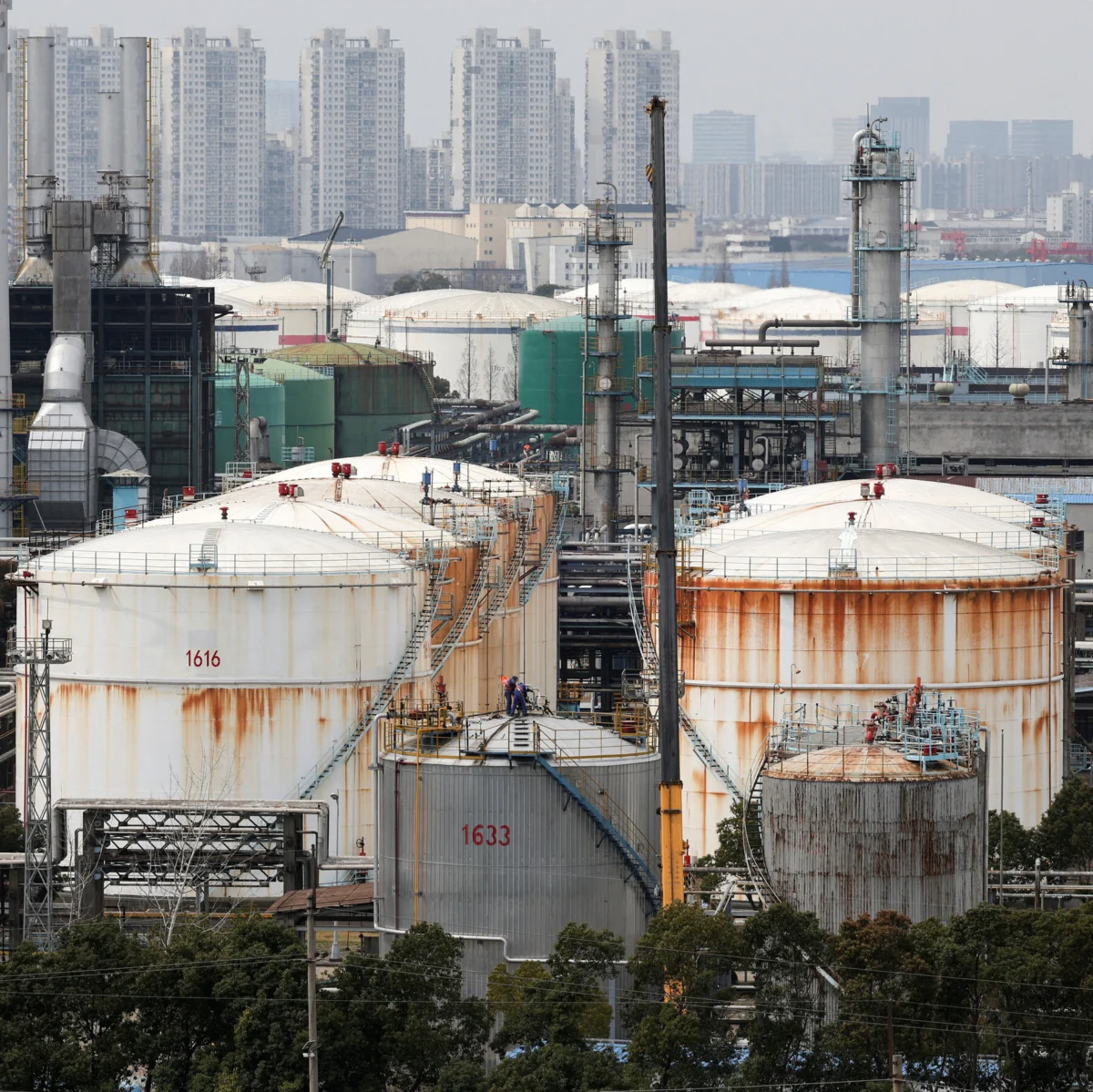
China believes it holds significant economic leverage to resist U.S. threats over Iran, including control over critical mineral supplies and sufficient domestic oil reserves, according to Chinese analysts cited by NYT > World News. This positions Beijing to withstand potential disruptions to Iranian crude imports amid escalating U.S. sanctions.
Key Facts
- China can potentially squeeze U.S. supplies of critical minerals, a key vulnerability for American industries.
- Beijing has enough domestic oil reserves to manage without Iranian crude if necessary.
- Chinese analysts assert these factors provide resilience against U.S. economic pressure over Iran.
How China Could Squeeze U.S. Mineral Supplies
Critical minerals, such as rare earth elements, are essential for advanced technologies, including electronics, defense systems, and renewable energy infrastructure. China dominates global production and refining of many of these minerals, giving it potential leverage in a trade standoff. Restrictions on exports could disrupt U.S. manufacturing and technology sectors, forcing Washington to reassess its economic strategy toward Iran.
What Happens to Global Oil Markets?
Despite U.S. pressure to curb Iranian oil imports, China has maintained significant energy ties with Tehran. Chinese oil reserves, strategic stockpiling, and alternative suppliers allow Beijing flexibility amid sanctions. A prolonged loss of Iranian oil could strain global markets, but China’s diversified energy sources and state-backed infrastructure mitigate immediate risks.
What We Know — and What We Don’t
Verified by the source:
- Chinese analysts argue their country has economic tools to counter U.S. sanctions over Iran.
- China’s control over critical minerals and domestic oil reserves factors into this resilience.
Still unconfirmed:
- Whether China will actively restrict mineral exports to pressure the U.S.
- The extent to which U.S. industries would suffer from disrupted mineral supplies.
- How long China’s oil reserves could offset the loss of Iranian crude.
Why It Matters
The U.S.-China economic rivalry increasingly defines global trade tensions, with Iran serving as another flashpoint. If Beijing leverages its control over critical supply chains, it could force Washington to adjust its foreign policy approach. The potential for retaliatory economic measures underscores the risks of escalating sanctions.
What To Watch
Further statements from Chinese officials or state media may clarify whether Beijing intends to weaponize mineral exports. Additionally, U.S. industry reactions to potential supply disruptions could shape future policy decisions. For broader geopolitical analysis, see our war and geopolitics coverage.