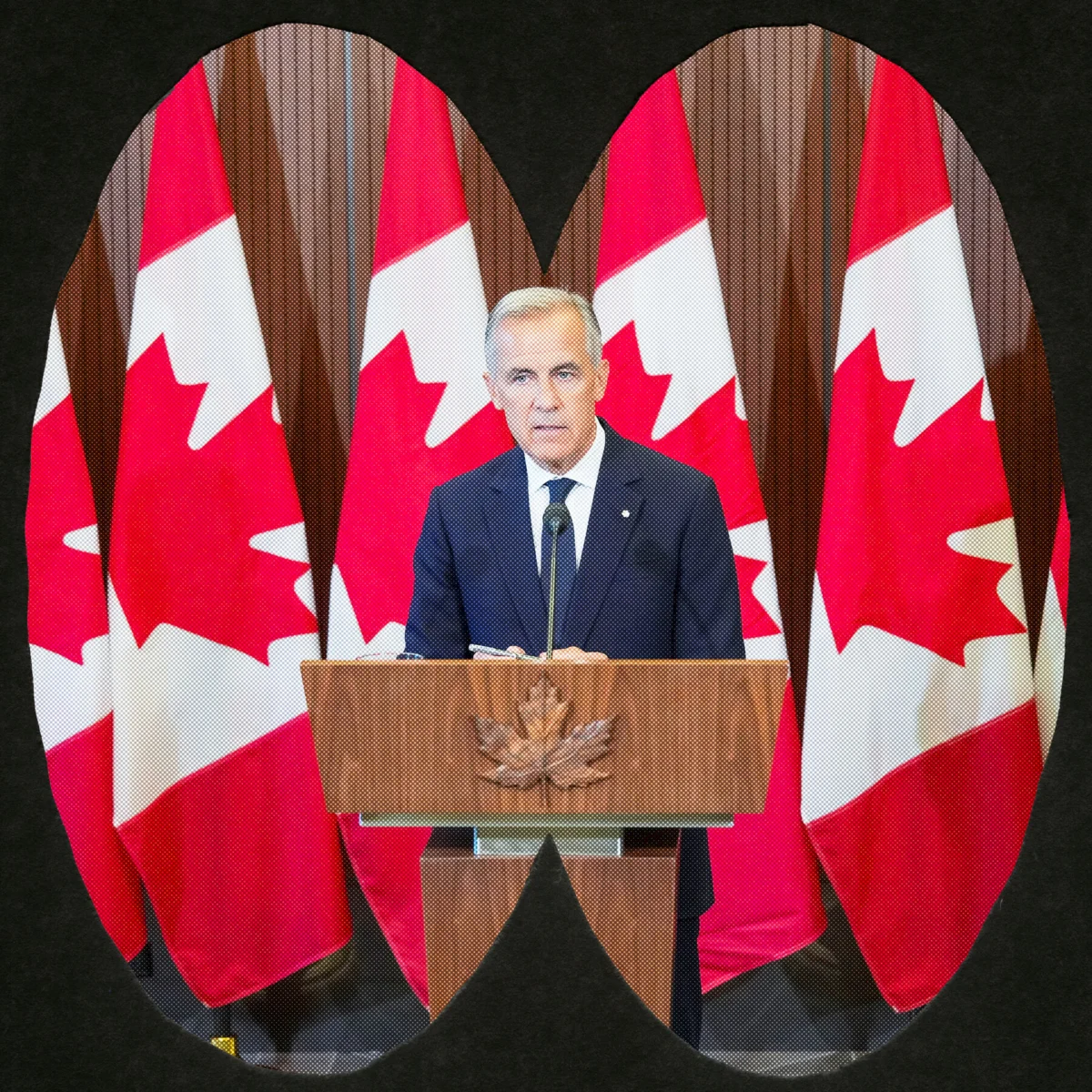
Canada has refused to comply with US trade demands in a decision that may reshape North American trade dynamics, according to NYT Top Stories. Former Bank of England governor Mark Carney, now a key Canadian leader, upheld policies that could cause economic strain but align with his electoral mandate.
The decision comes amid ongoing trade tensions between the two nations, though the exact details of the dispute remain unspecified in the NYT report. By standing firm, Canada risks economic retaliation but asserts its trade sovereignty.
KEY FACTS
- Canada has refused to yield to US trade demands.
- The decision may have broader international trade implications.
- Mark Carney prioritized domestic policies despite potential economic consequences.
- The move aligns with Canadians’ electoral expectations.
WHAT PROMPTED CANADA’S DECISION?
While the NYT does not detail the specific trade demands, the article suggests Canada faced pressure to alter policies that conflict with US interests. Mark Carney, a central figure in global finance before entering Canadian politics, chose to uphold policies that may cause short-term economic difficulties but reflect his government’s priorities.
WHY THIS COULD EXTEND BEYOND NORTH AMERICA
Canada’s resistance to US trade demands may influence how other countries approach negotiations with Washington. As a G7 nation and key US trade partner, Canada’s stance could encourage others to assert their trade positions more firmly. Yet this could also lead to prolonged disputes that disrupt global supply chains.
WHAT WE KNOW — AND WHAT WE DON’T
Verified by the source:
- Canada refused US trade demands under Carney’s leadership.
- The decision aligns with Canadian voters’ expectations.
- The economic consequences may be significant.
Still unconfirmed:
- The exact nature of the trade dispute remains unclear.
- How the US might retaliate has not been detailed.
- Whether other nations will follow Canada’s lead is unknown.
WHY IT MATTERS
Trade disagreements between the US and Canada often set precedents for global economic policy. A protracted standoff could disrupt supply chains, affecting everything from auto manufacturing to food prices. Additionally, Canada’s willingness to endure economic friction may embolden other US trade partners.
WHAT TO WATCH
The response from the White House and US trade officials will determine whether this becomes a brief disagreement or a prolonged dispute. Other nations may also adjust their trade positions depending on how the US reacts.