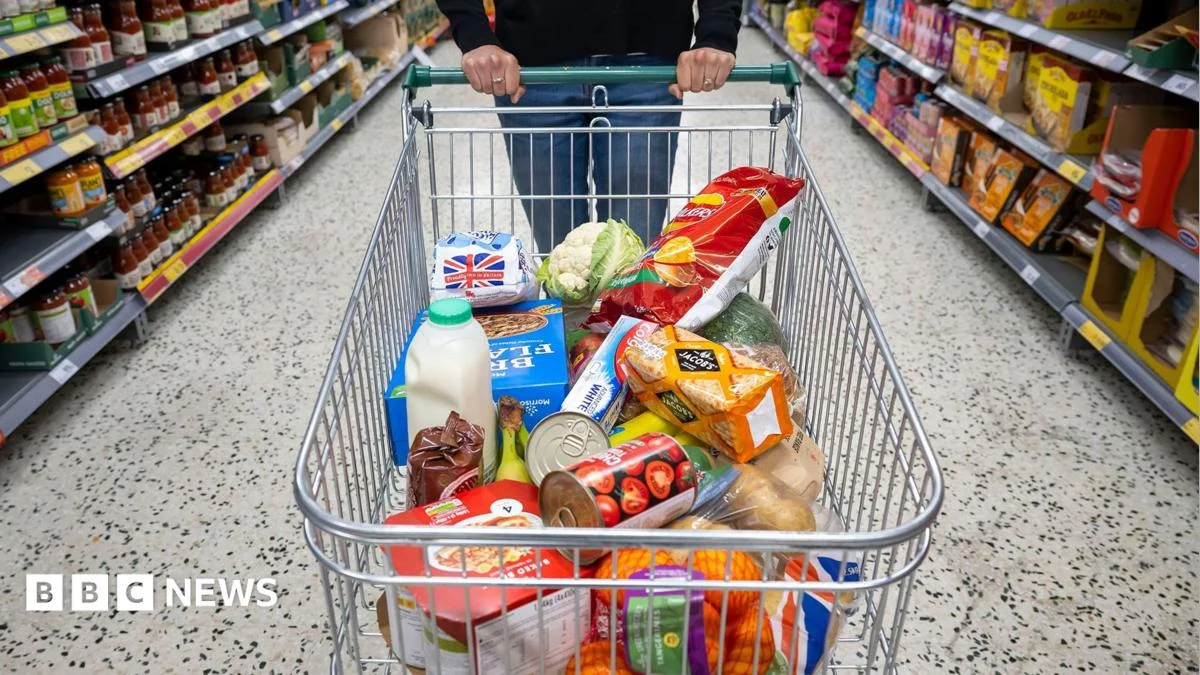
A dietitian recently reviewed a weekly grocery shop to assess whether eating ultra-processed foods could still be compatible with good health, even as research continues to link these products to a range of health problems.
The analysis comes amid ongoing scientific debate over why ultra-processed foods may harm health, with no clear consensus among researchers. BBC News reported that while many studies point to risks, the exact mechanisms remain unclear, prompting renewed interest in real-world dietary habits.
Key Facts
- Ultra-processed foods are linked to health problems
- No clear scientific agreement exists on why the link occurs
- A dietitian reviewed a weekly grocery purchase
- The review was featured by BBC News
The Story
What happens with ultra-processed foods?
Ultra-processed foods include items with added sugars, artificial flavors, preservatives, and other ingredients that are rarely used in home cooking. These products dominate supermarket shelves and daily diets in many countries. Studies have associated frequent consumption of ultra-processed foods with obesity, heart disease, type 2 diabetes, and certain cancers. However, researchers have not reached a consensus on the underlying biological or behavioral mechanisms driving these associations.
Some scientists suggest additives, preservatives, or high levels of salt, sugar, and fat could contribute to poor health outcomes. Others argue that people who eat lots of ultra-processed foods may have other lifestyle factors that independently increase risk. This lack of agreement makes it difficult for health officials and consumers to know exactly how to respond.
How did we get here?
Interest in ultra-processed foods has grown over the past decade as large-scale studies began revealing potential health risks. Researchers have attempted to isolate whether the processing itself is harmful or whether other elements of Western diets explain the findings. A recent project involved a dietitian analyzing an individual’s weekly supermarket shopping list to explore how someone might try to maintain health while relying on convenient, processed items.
The BBC News feature explored this case study against the wider scientific question: can regular consumers reduce their risk by making selective choices within ultra-processed categories, or do they need to avoid such foods entirely? Experts continue to debate whether portion control, ingredient awareness, or complete elimination offers the best protection.
What We Know — and What We Don’t
Verified by the source:
- A dietitian analyzed a weekly grocery shop
- Ultra-processed foods are linked to various health problems
- Scientists disagree on the reason for the health link
- BBC News reported on the analysis
Still unconfirmed:
- The identity and qualifications of the dietitian involved
- Specific ingredients or products in the reviewed grocery shop
- Numerical risk levels connecting ultra-processed foods to disease
- Timeline or location of the grocery analysis
- Any direct quotes from researchers or nutritionists
Why It Matters
For millions of people around the world, ultra-processed foods make up a significant portion of daily calories. Understanding whether these foods can ever support health is crucial for public dietary guidelines. At the same time, consumers need clear information to make informed grocery decisions, not broad assumptions based on incomplete evidence.
What To Watch
Further research may clarify whether the processing methods themselves cause harm or whether lifestyle factors explain the observed associations. Official guidance from health authorities could evolve depending on how scientific consensus develops.