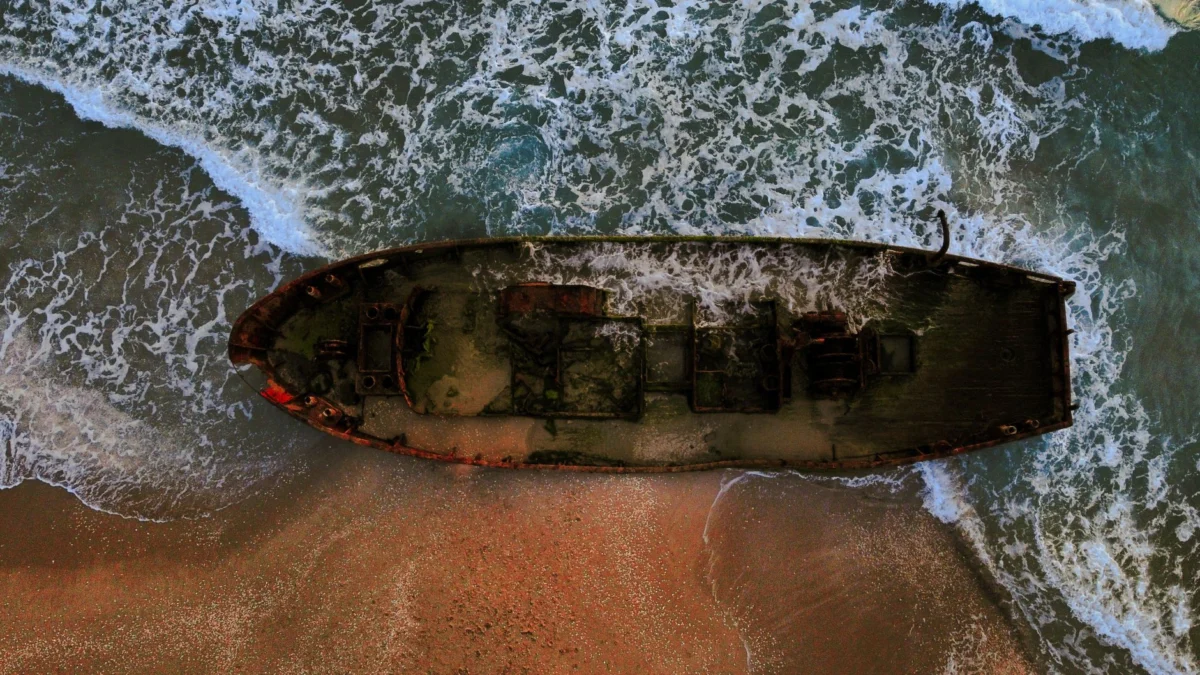
A likely piece of an 1884 shipwreck washed ashore in Nantucket during a recent nor’easter, according to the New York Times. The wooden fragment is believed to be among hundreds of vessels that wrecked along the island’s coastline during the 19th century.
Powerful waves associated with the storm system dislodged the debris, bringing a tangible piece of maritime history back to public attention. Researchers and local residents are now examining the remains to confirm its origins.
Key Facts
- A possible fragment from an 1884 shipwreck washed ashore in Nantucket.
- The debris was uncovered during a powerful nor’easter.
- Hundreds of ships wrecked near Nantucket in the 19th century.
- The recovered object is made of wood.
What happened during the storm?
The nor’easter produced strong surf and elevated tides that shifted sand and debris along Nantucket’s shores. As waves crashed repeatedly onto the beach, they unearthed an object that had lain buried or submerged for over a century. The wooden piece was spat out by the surf and left behind once the water receded.
Such discoveries are not uncommon in coastal regions after major storms, as wave action can redistribute sediment and expose long-hidden artifacts. However, identifying the exact vessel requires further analysis and historical records.
Why does Nantucket have so many wrecks?
Nantucket sits in a busy stretch of the North Atlantic, historically traversed by transatlantic and coastal shipping routes. Its shallow waters, shifting sandbars, and exposure to severe weather made navigation hazardous for 19th-century mariners. Hundreds of ships met their fate in these waters over the centuries.
The island’s dependence on maritime trade and whaling also meant that a great deal of traffic passed through its vicinity, increasing the likelihood of collisions, groundings, and storm-related losses. Each recovered artifact helps historians piece together this legacy.
What We Know — and What We Don’t
Verified by the source:
- A wooden shipwreck fragment washed ashore during a nor’easter.
- The wreck is believed to date back to 1884.
- Hundreds of ships wrecked near Nantucket in the 1800s.
Still unconfirmed:
- The exact identity of the vessel.
- Precise location where the piece was found.
- Date and time of the nor’easter in question.
- Whether experts have officially authenticated the fragment.
Why It Matters
This discovery underscores the enduring impact of climate and weather on cultural preservation. Coastal storms increasingly threaten—and sometimes reveal—fragile underwater and buried archaeological sites. Objects like the Nantucket shipwreck piece offer glimpses into past human activity and remind us how dynamic shorelines can reshape history beneath our feet. For communities tied to maritime heritage, such finds can deepen appreciation for local traditions and losses.
What To Watch
Experts may conduct further inspection of the recovered piece to verify its origins and link it to historical records. Future storms could expose additional debris, continuing the slow process of uncovering Nantucket’s submerged past.