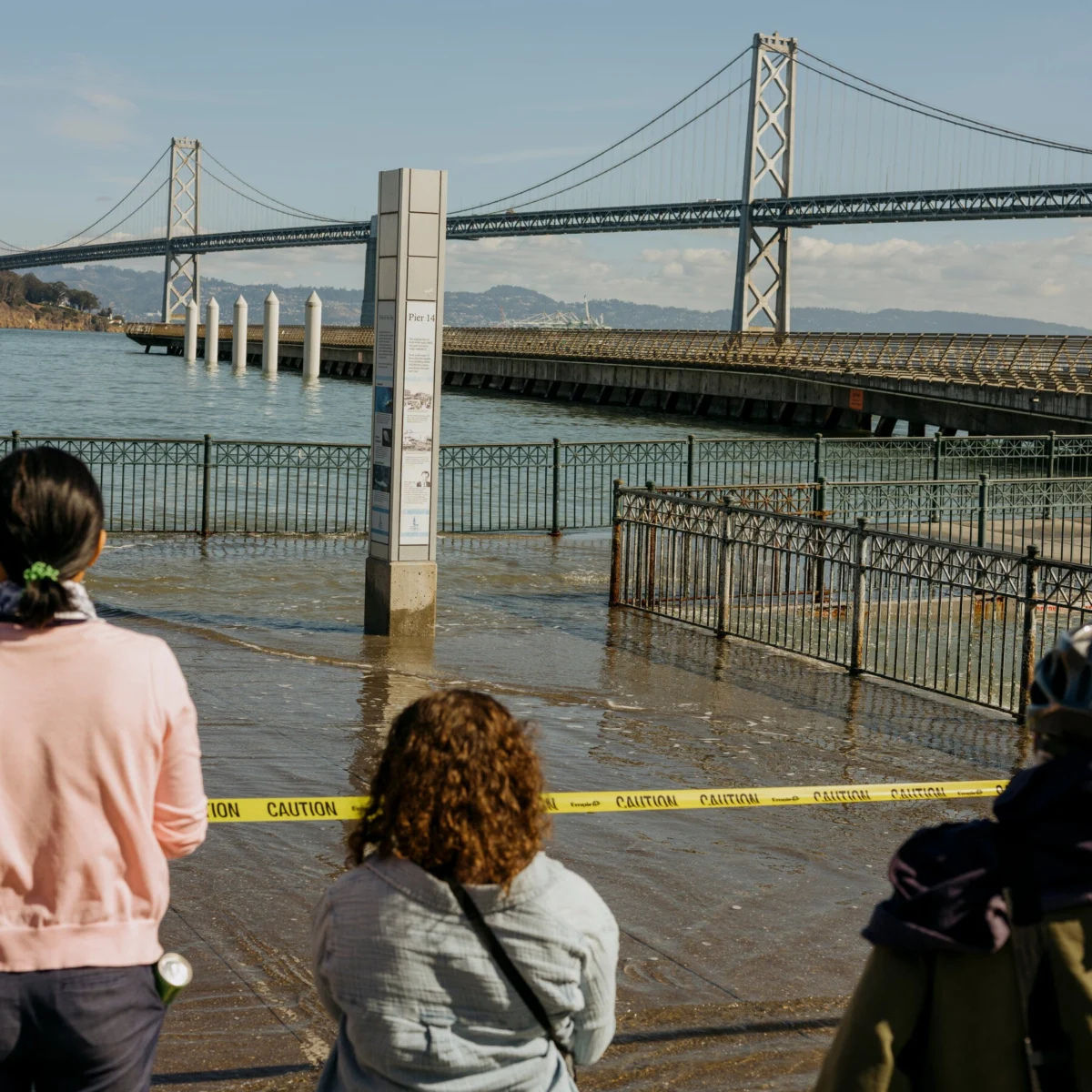
California’s high tides set records this week, and forecasters expect El Niño to push this winter’s high tides even higher than recent levels. The combination of seasonal weather patterns and rising background sea levels is already producing water levels above historical norms along the state’s coastline.
Experts say the recent tide measurements reflect a broader trend of rising coastal water levels, with El Niño conditions likely to amplify incoming high tides through the winter months. Coastal communities are being advised to prepare for increased flooding risks during the coming months as the phenomenon intensifies.
KEY FACTS:
- California’s high tides set records this week.
- El Niño is expected to push this winter’s high tides even higher.
What happens next with these high tides?
The influence of El Niño on coastal water levels typically peaks during the winter months, when stronger storms and shifted atmospheric pressure patterns combine with normal tidal cycles. As winter progresses, forecasters will monitor whether the anticipated higher high tides materialize as predicted. The timing and intensity of El Niño’s effects can vary, making ongoing observation critical for accurate predictions. Communities along the California coast remain attentive to tide forecasts and emergency guidance as conditions evolve.
In the meantime, local officials and residents are encouraged to stay informed through official weather and emergency management channels. The relationship between El Niño events and elevated coastal water levels is well documented, though each occurrence brings unique variables. Scientists continue tracking the developing situation, noting that background sea level rise adds additional pressure to already stressed coastal infrastructure and ecosystems.
How did we get here with California’s high tides?
Rising global sea levels, combined with natural climate patterns such as El Niño, have contributed to increasingly extreme high tide events around the world. In California, these factors converge along urbanized and ecologically sensitive coastlines. Recent weeks have seen measured tide heights exceed previous benchmarks, signaling a departure from long-standing norms. Scientists attribute the intensifying pattern to a mix of ocean warming, atmospheric shifts, and long-term environmental changes. The current situation reflects both immediate weather influences and broader, sustained transformations affecting coastal regions.
Researchers emphasize that the frequency and severity of extreme high tide events have increased over recent decades. These changes pose ongoing challenges for coastal planning and public safety. Monitoring systems continue collecting data to refine future projections and support adaptive responses. The interplay between predictable tidal cycles and unpredictable climate phenomena creates a complex picture for scientists and planners alike. Continued study offers insight into how similar trends might unfold in other coastal regions facing comparable conditions.
What We Know — and What We Don’t
Verified by the source:
- California’s high tides set records this week.
- El Niño is expected to push this winter’s high tides even higher.
Still unconfirmed:
- Specific dates and locations of the record-setting tides.
- Exact projected increase in tide heights due to El Niño.
- Potential impacts on coastal communities and infrastructure.
- Long-term forecasts beyond this winter season.
Why It Matters
High tides and coastal flooding affect millions of people living near the ocean, threatening homes, businesses, and critical infrastructure. As sea levels continue rising globally, extreme tide events become more frequent and damaging. Understanding these patterns helps communities prepare for future risks and adapt their emergency strategies accordingly. This story highlights the immediate reality of climate-related changes already visible along America’s Pacific coast. The implications extend far beyond daily tideways, shaping long-term decisions about urban development and environmental stewardship for years to come. Policymakers rely on such data when crafting regulations and allocating resources for resilient infrastructure projects.
What To Watch
Forecasters will continue tracking tide levels and El Niño’s progression through the winter months. Updated predictions may adjust expectations for peak tide heights and associated flood risks along California’s coast.