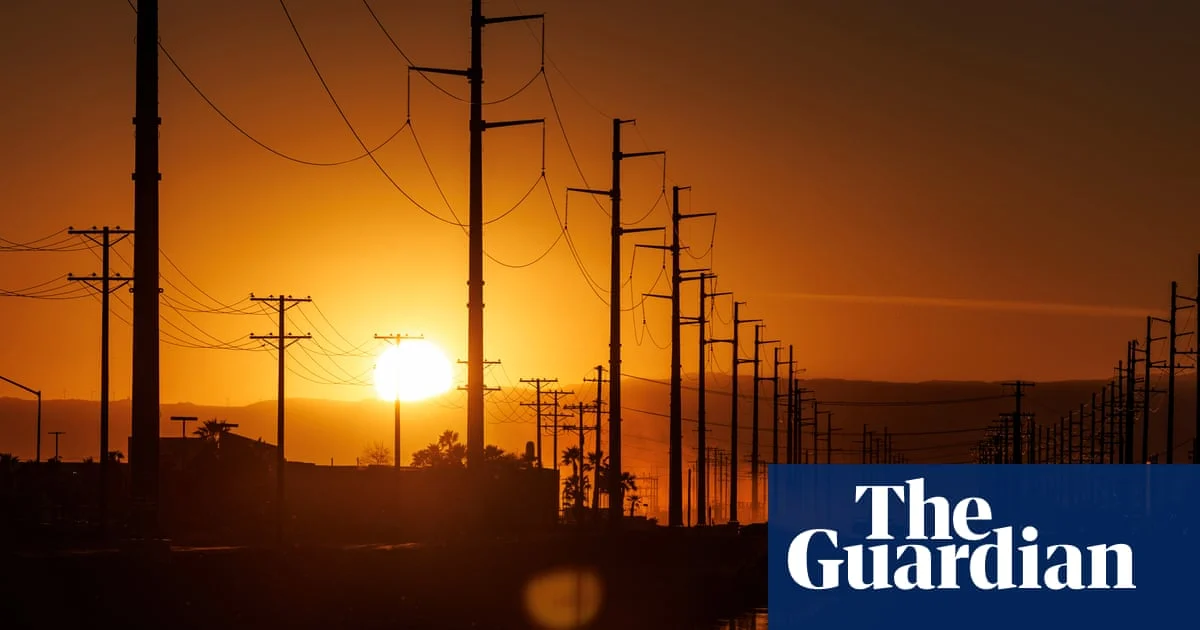
A modern-day prospector’s plan to build the largest AI datacenter in California has landed in the Sonoran desert near Imperial, a city of roughly 22,000 residents that relies on the Colorado River for water. The project highlights the growing tension between energy-intensive technology infrastructure and rural communities already strained by climate and resource pressures.
Sebastian Rucci, described as the developer behind the proposal, identified a vacant lot between alfalfa fields and desert suburbs as the ideal site for the AI datacenter. Local residents, however, remain wary of hosting another large-scale energy consumer in an area where water is scarce and temperatures frequently exceed 100 degrees Fahrenheit, Business | The Guardian reports.
Key Facts
- A developer identified a vacant lot in the Sonoran desert near Imperial as the site for a large AI datacenter.
- The proposed AI datacenter is intended to be the largest of its kind in California.
- The project promises thousands of jobs and millions in local tax revenue to Imperial.
- Residents express skepticism toward the energy-guzzling AI datacenter and potential strain on local water and power resources.
- Imperial relies on the Colorado River for water, which is described as a beleaguered water source.
What Happens Next?
Local opposition signals that even projects promising economic upside face steep hurdles in communities grappling with resource scarcity. The outcome may test how California balances tech expansion with environmental limits.
Local Pushback Meets Tech Ambition
Developers of large AI datacenter projects across the United States have increasingly run into resistance from nearby communities concerned about power usage, water demand, and noise. The Imperial-area proposal is no exception, with residents reportedly questioning whether promised benefits justify added strain on aging infrastructure.
Business | The Guardian notes that the developer’s outlook contrasts with residents who cite rising temperatures and uncertain water access as reasons for caution. The AI datacenter, if approved, would require significant electricity and cooling systems operating in a region where both resources face long-term stress.
Broader Industry Trends
Across the western United States, municipalities have debated permits for energy-heavy data facilities amid concerns over grid capacity and drought conditions. Some states have tightened regulations governing AI datacenter placement near fragile ecosystems or stressed aquifers.
Analysts tracking data center investment say location decisions now factor in more than land cost, including access to renewable energy and water recycling capabilities. Business | The Guardian frames the Imperial case as part of a national reckoning over where such infrastructure should reside.
What We Know — and What We Don’t
Verified by the source:
- The developer selected a site in the Sonoran desert north of the Mexican border.
- The project is described as aiming to be California’s largest AI datacenter.
- Promises include job creation and millions in tax revenue for Imperial.
- Residents voice skepticism due to energy use and water scarcity.
- The area experiences regular temperatures above 100F and depends on the Colorado River.
Still unconfirmed:
- The exact identity and credentials of the lead developer beyond the name Sebastian Rucci.
- The precise scale or power requirements planned for the AI datacenter facility.
- Whether formal permitting processes have begun with local authorities.
- Detailed financial projections tied to promised tax revenue and employment numbers.
Why It Matters
This dispute reflects a national challenge: meeting surging demand for AI computing while respecting ecological limits and community consent. How California weighs growth against sustainability could influence investment patterns nationwide, especially in climate-vulnerable regions.
What To Watch
Forthcoming decisions by local officials regarding zoning approval and environmental review will clarify whether the AI datacenter moves forward amid persistent opposition. Additional commentary from city leadership and utility providers is expected but not yet available.
Explore more coverage of economy and markets on SourceRated.