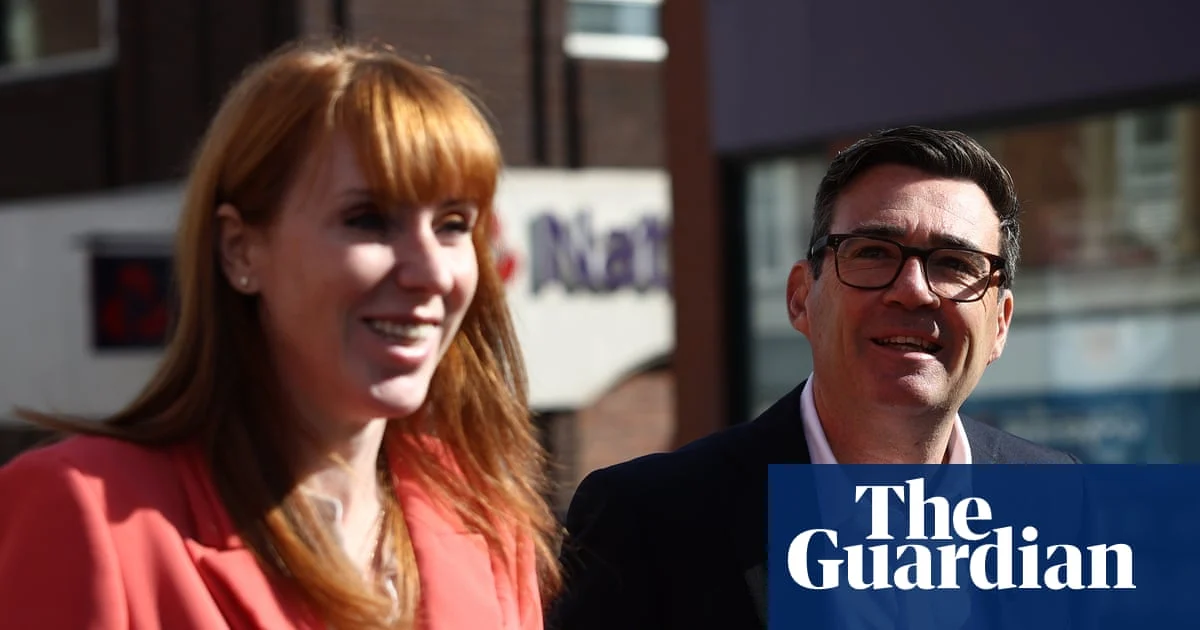
London — Senior cabinet ministers, including the deputy prime minister and other senior figures, have publicly backed Andy Burnham’s call for a debate on whether the UK should consider returning to free movement with the European Union. This comes after the prime minister indicated that staying out of free movement arrangements would no longer be a red line in future talks with the EU, prompting both support and concern within the party.
The move reignites a deeply divisive post-Brexit issue and signals a potential shift in how Labour approaches its relationship with Europe. While some leading figures argue it opens space for economic discussions, others warn it could alienate voters in traditional Labour strongholds.
KEY FACTS
- Cabinet support for Burnham’s call for a free movement debate
- Angela Rayner and Ed Miliband among supporters
- Prime minister backs “honest discussion” on freedom of movement
- Red wall MPs raise concerns over Brexit-seat impact
- Business leaders join ministers in backing the proposal
Who Is Affected by the Free Movement Proposal?
The debate centers on free movement — the principle allowing EU citizens to live and work freely across member states. The UK left this system after Brexit, and re-engaging with it would mark a significant shift. Supporters say it could ease labor shortages and boost economic growth, particularly in sectors dependent on migrant workers. Opponents argue it undermines the 2016 referendum result and risks losing support in areas that voted Leave.
Burnham, the Mayor of Greater Manchester, has framed the call as necessary economic realism. He says immigration controls alone cannot solve workforce gaps and that Britain must compete globally. However, several Labour MPs from former industrial heartlands expressed unease, fearing backlash from constituents who see Brexit as settled.
Business leaders echoed Burnham’s view, saying access to skilled and unskilled labor is critical for recovery. Yet many remain cautious about political fallout, knowing that any perceived U-turn on Brexit promises can dominate headlines and electoral outcomes.
How Did This Debate Resurface Now?
The proposal gained traction after the prime minister told the Sunday Times that retaining a hardline stance against free movement was no longer essential. This aligns with growing pressure from business groups and some economists urging policy flexibility. The timing coincides with ongoing negotiations between the UK and EU on trade cooperation, where mobility remains a sticking point.
Cabinet backing reflects internal momentum behind revisiting immigration strategy. With unemployment low but vacancies high, policymakers face mounting scrutiny over whether current rules hinder growth. Meanwhile, party unity hangs in the balance as Labour navigates competing demands between reformist ideals and electoral pragmatism.
This renewed focus also highlights broader tensions within the Conservative Party, where pro-Europeans push openness while Brexiteers demand stricter borders. Labour, caught in the middle, risks being pulled apart unless it carefully balances both factions.
What We Know — and What We Don’t
Verified by the source:
- Cabinet ministers including Angela Rayner and Ed Miliband backed the call for a free movement debate
- The prime minister stated staying out of free movement is no longer a red line
- Burnham proposed the idea during public commentary
- Red wall Labour MPs voiced concerns about electoral consequences
- Business leaders supported the call alongside cabinet members
Still unconfirmed:
- No formal government plan or timeline beyond debate suggestion
- No official response from EU institutions yet
- Exact wording of PM’s private discussions undisclosed
Why It Matters
Immigration and EU relations remain among the most polarizing topics in British politics. A return to free movement would reshape labor markets and redefine the UK’s global identity. For voters, workers, and businesses alike, the outcome affects jobs, wages, and border control — core issues that shaped Brexit itself.
What To Watch
Much depends on whether formal consultations begin in Parliament and how EU counterparts respond. Officials have not confirmed next steps, but all eyes are on whether economic arguments outweigh political sensitivities.
The UK government has not yet outlined specific proposals for re-engaging with EU free movement systems.