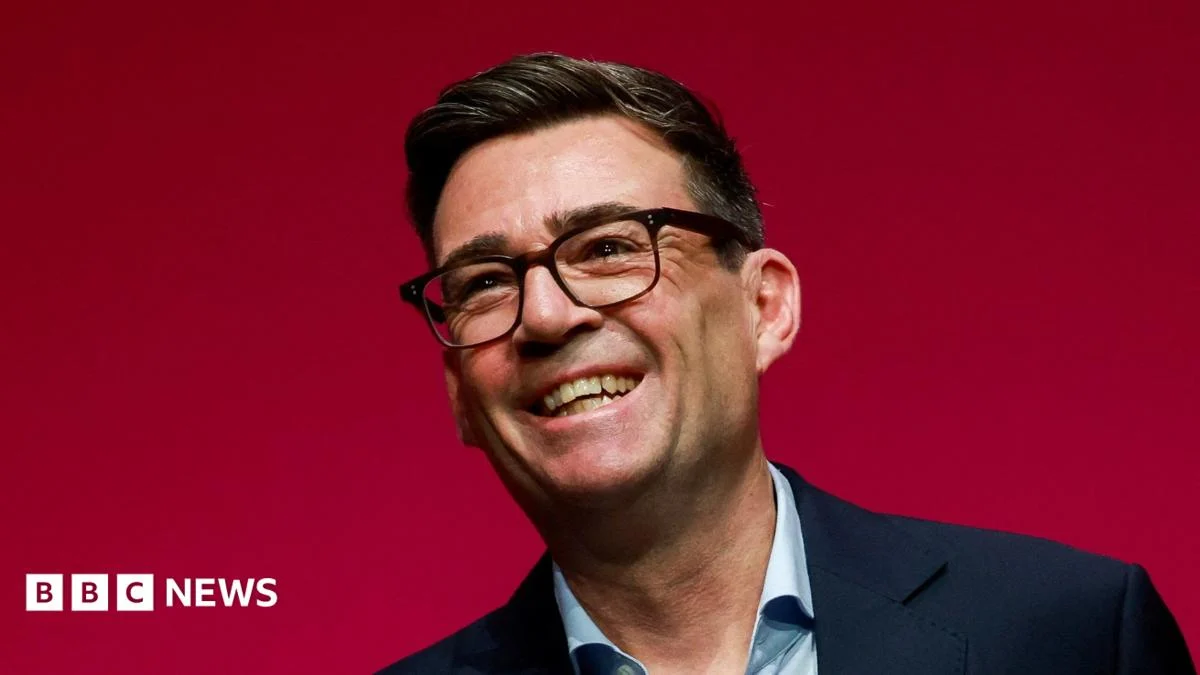
Burnham to Fight Next Election on Voting System Pledge
The prime minister has said he will contest the next general election campaigning on a commitment to change the United Kingdom’s voting system, according to BBC News. He has called for other political parties to participate in a proposed national commission on electoral reform.
The announcement signals an intention to place voting reform at the centre of the next electoral cycle. The prime minister has suggested that such reform would be pursued through a commission involving multiple parties rather than unilateral action by his own government.
Key Facts
- Burnham will campaign on a voting system pledge in the next election.
- He wants other parties to join a national commission on electoral reform.
- The proposal was reported by BBC News.
The Story
What Happens Next?
The prime minister’s proposal implies that, if his party wins the next election, legislation or a formal process would be introduced to establish a commission on electoral reform. Whether that commission would have the power to recommend binding changes, and whether other parties would agree to participate, remains unclear.
No details have been provided about who would chair the commission, how long it would last, or what specific voting systems would be considered. The current UK system is first-past-the-post, which has been the subject of periodic calls for reform from opposition parties and some academics.
Who Is Affected?
A change to the voting system would affect every voter and every candidate standing in future UK general elections. Political parties would need to redraw campaign strategies, as different systems can favour proportional representation over majoritarian outcomes.
Citizens would potentially see a shift in how their constituency vote translates into parliamentary representation. Past referendums and commissions on voting reform have drawn significant public attention and debate, suggesting that any new commission could prompt renewed discussion.
How Did We Get Here?
Debate over the UK’s voting system has persisted for decades, with previous governments commissioning reviews and holding referendums. The most recent national vote on the issue, the 2011 referendum on the alternative vote, resulted in a majority voting to retain first-past-the-post.
The prime minister’s latest proposal revives the question of reform by framing it as a collaborative, cross-party effort. This approach appears intended to address long-standing criticism that electoral change has stalled due to partisan divisions.
What We Know — and What We Don’t
Verified by the source:
- The prime minister intends to campaign on a voting system pledge in the next election.
- He has proposed a national commission on electoral reform involving other parties.
- The report was published by BBC News.
Still unconfirmed:
- The timing of the next general election.
- Which parties, if any, have agreed to join the commission.
- Whether the commission would lead to a binding referendum.
Why It Matters
Electoral reform can reshape how votes translate into political power, influencing everything from party strategy to policy outcomes. Because voting rules determine representation, changes in this area tend to generate lasting effects across the political landscape, making the proposal significant regardless of whether it is ultimately implemented.
What To Watch
How opposition parties respond to the invitation to join the proposed commission will determine whether it gains the cross-party support the prime minister appears to be seeking.