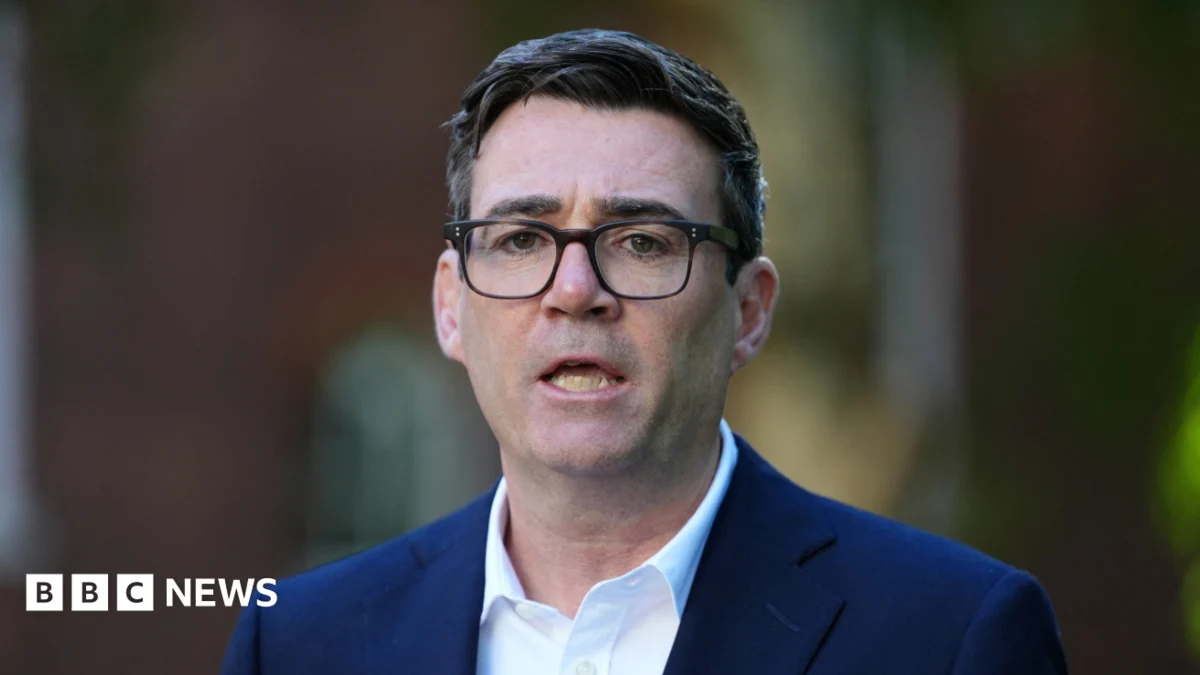
The prime minister has ruled out calling an early election, saying such a move would drag the country into a backward-looking process. He told the BBC he is not tempted to trigger a premature vote, dismissing suggestions of an imminent poll as speculation.
In an interview broadcast by the BBC, the prime minister emphasized his focus on governing rather than on electoral timing. He argued that an early election would distract from current priorities and shift attention away from forward-looking policy work. His comments come amid ongoing political discussion about whether a snap election might be called before the scheduled polling date.
KEY FACTS
- The prime minister said he is not tempted to call an early election.
- An early poll would throw the country into a “backward-looking process”.
- The statement was made during an interview with the BBC.
- No date or timeline for any decision has been given.
Is an Early Election Likely?
The prime minister’s remarks appear designed to quash mounting speculation in political circles about a possible snap election. While opposition parties and commentators have raised questions about a potential early poll, the prime minister insisted that the decision rests firmly with him and that no such intention exists. His tone suggested confidence in the current parliamentary arrangement and the legislative agenda ahead.
Political analysts have noted that prime ministers sometimes signal openness to early elections when polling favorably or seeking a stronger mandate. However, the prime minister’s explicit rejection of this path indicates a different strategic calculation, possibly reflecting concerns about economic uncertainty or public fatigue with frequent elections.
The statement also underscores the role of media interviews in shaping public understanding of executive intent. By speaking directly to the BBC, the prime minister aimed to control the narrative around election timing and reduce ambiguity for voters and political actors alike.
What Happens Next?
With no indication from the prime minister that an early election is under consideration, attention turns to whether opposition parties will continue pressing the issue in parliament. The prime minister’s comments may reduce the urgency of such efforts, at least in the short term.
For now, the focus remains on ongoing legislative business and government initiatives. Any future shift in tone from the prime minister would likely reignite speculation, but current signals point to stability in the electoral calendar.
WHAT WE KNOW & WHAT WE DON’T
Verified by the source:
- The prime minister said he is not tempted to call an early election.
- He described an early poll as a backward-looking process.
- The comments were made in an interview with the BBC.
Still unconfirmed:
- Whether other senior officials share the prime minister’s view.
- Any formal written statement or policy document supporting the remarks.
- Responses from opposition leaders or political parties.
WHY IT MATTERS
Election timing can significantly affect policy direction and political stability. When a prime minister signals reluctance to call an early election, it reassures voters and markets that existing democratic processes will continue without disruption. It also allows the government to maintain focus on long-term governance rather than short-term electoral strategy.
WHAT TO WATCH
Observers will watch for any change in tone from the prime minister or signs of renewed speculation within political circles. Continued silence on a formal timeline suggests no immediate decision is expected.