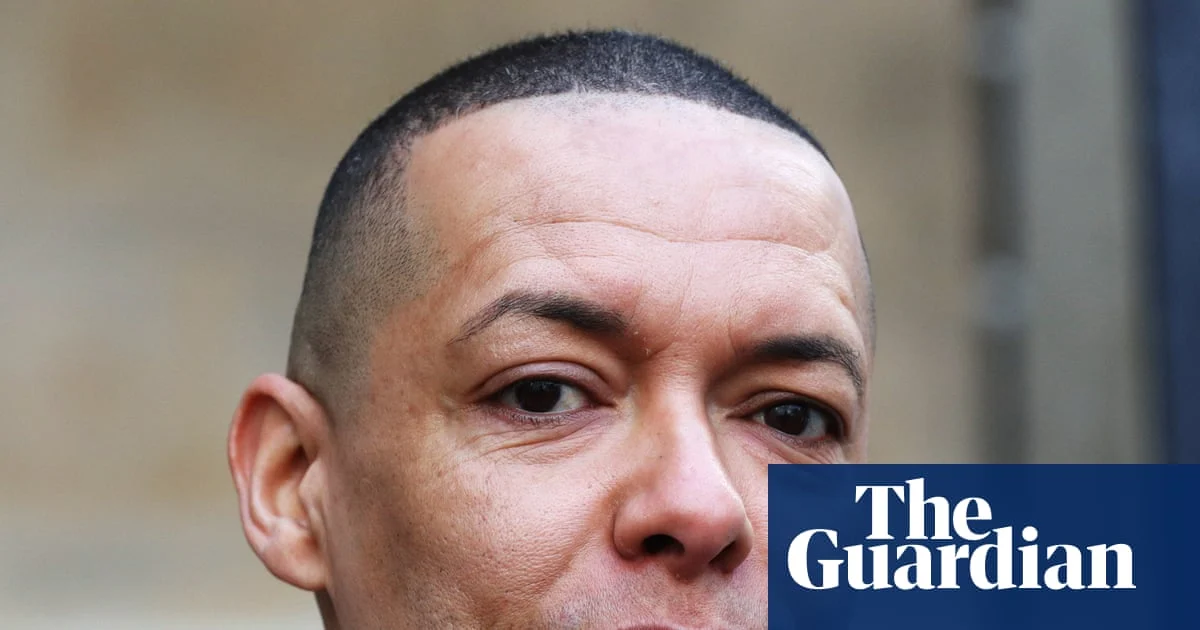
An international delegation including British politicians was barred from entering the West Bank during a visit intended to meet Palestinian children, farmers and civil society leaders. The group of 23 people included elected representatives from several countries who sought to observe conditions amid reports of escalating violence involving Israeli forces.
The visit coincided with the olive harvest season, a period often marked by heightened tensions in the region. Delegations of this kind are frequently organized by advocacy and solidarity groups aiming to document impacts on local communities.
Key Facts
- The delegation included British politicians among its 23 members.
- The group intended to meet Palestinian children, farmers and civil leaders.
- Members came from France, Spain, Luxembourg, Switzerland, Greece, the Netherlands, Ireland and the United States.
- Four elected officials were identified: Clive Lewis, Lara Bird, Kate Nevens and Sam Tarry.
- The visit took place during the olive harvest season.
West Bank Visit Context
The West Bank, located between Israel and Jordan, has been subject to varying degrees of military control and civilian presence since the late 1960s. International observers and delegations regularly attempt to visit the area to engage with local communities, especially during periods of agricultural activity such as the olive harvest. These visits are intended to observe living conditions, document potential violations and express solidarity with affected populations.
The presence of Israeli forces in the West Bank fluctuates depending on security assessments, and access restrictions are occasionally imposed on foreign nationals. While many such delegations report productive interactions, others encounter administrative or logistical barriers that prevent full access to intended locations. The specific grounds for denial in this instance were not detailed in the reporting.
Who Is Affected?
The individuals directly affected include the 23-member delegation, several of whom are sitting legislators representing constituencies in their home countries. Their planned meetings with Palestinian children, farmers and civil society leaders suggest an interest in understanding grassroots impacts of broader regional dynamics. Olive farmers in particular often face challenges related to land access, crop protection and interactions with security personnel during harvest periods.
Communities in the West Bank, especially those in proximity to contested areas, frequently experience disruptions tied to security operations. International delegations aim to amplify these experiences to global audiences, though their effectiveness can vary depending on coordination with local organizations and permissions from relevant authorities.
What We Know — and What We Don’t
Verified by the source:
- A 23-person international delegation was denied entry to the West Bank.
- The delegation included British politicians and elected officials from multiple nations.
- The stated purpose was to meet Palestinian children, farmers and civil leaders.
- Named individuals included Clive Lewis, Lara Bird, Kate Nevens and Sam Tarry.
- The timing coincided with the olive harvest season.
Still unconfirmed:
- The specific reasons given for denying entry to the delegation.
- The exact date and location where the denial occurred.
- Whether any official statements were issued by Israeli authorities.
- Details regarding coordination with Palestinian organizations.
- Outcomes or responses following the blocked visit.
Why It Matters
Visits by international delegations can influence public discourse and policy discussions about access, rights and conflict resolution in contested regions. When such visits are blocked or restricted, it raises questions about transparency and openness in areas affected by prolonged disputes. This incident underscores ongoing complexities around movement and observation in the West Bank, particularly as seasonal agricultural activities intersect with security measures. Readers concerned with war and geopolitics may see this as indicative of broader patterns in observer access across conflict zones. For more developments, explore our ongoing coverage of war-geopolitics.
What To Watch
Further clarity may emerge if statements are released by delegation organizers or relevant government officials. Readers should monitor whether future attempts at similar visits proceed and whether any formal complaints or diplomatic notes result from this denial.